

Published May 09, 2026 | 9:00 AM ⚊ Updated May 09, 2026 | 3:31 PM


CUSAT Campus.

Synopsis: Students at CUSAT alleged that there has been no concrete institutional follow-up or active intervention to address long-standing concerns of harassment, academic pressure and mental stress, even after two student suicides. Students said the tragedy sparked public debate, but many on campus still do not know where they can safely turn for help.
Even after two students died by suicide within a span of one week, which shook the campus of Cochin University of Science and Technology (CUSAT), students alleged that there has been no concrete institutional follow-up or active intervention to address long-standing concerns of harassment, academic pressure and mental stress.
A detailed complaint submitted by Computer Science students of the School of Engineering (SOE) has now brought fresh allegations against a faculty member, raising larger questions about grievance redressal mechanisms within the university.
Students said the tragedy sparked public debate, but many on campus still do not know where they can safely turn for help.
“How many more students have to lose their lives before there is a proper system to hear student concerns?” asked one student.
Also Read: What is happening inside CUSAT?
The complaint alleged targeted academic bias, arbitrary evaluation, intimidation and interference in attendance and internal assessment processes by a faculty member. The students claimed they chose anonymity out of fear of academic retaliation.
Speaking to South First, Kerala Students Union (KSU) state leader Ihsan Mohammed said the issue is now caught in procedural confusion.
“The Internal Complaints Committee (ICC) initially accepted the complaint, but later the grievance redressal mechanism said they could not proceed because the ICC itself has to conduct the enquiry first. It feels like the complaint is simply being passed around,” he said.
According to student representatives, the process itself remains unclear despite existing UGC regulations.
They argued that the ICC should formally accept complaints and forward them to the appropriate higher committee, if necessary, but students allege that authorities themselves appear uncertain about how the proceedings should move forward.
Mohammed also stated that he had directly reached out to the Vice Chancellor regarding the issue. “The VC fully cooperated and forwarded the matter to the grievance redressal committee,” he said.
Also Read: Post rout, CPI(M) leans on Pinarayi—yet LDF’s Assembly question stays open
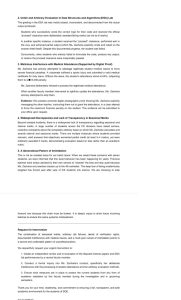
Copy of complaint
Sharon Mathew (name changed), a student at CUSAT, told South First that the university conducted a meeting on 5 May after the suicides triggered widespread public discussion. But the outcome of that meeting has still not been communicated to the campus community.
According to Sharon, the meeting reportedly included a few councillors from the Kochi Municipal Corporation and faculty members, but students and parents were not meaningfully represented.
Students further alleged that fear and silence have become deeply embedded within the campus culture. Many believe faculty members remain closely connected within the relatively small university system, making complaints difficult to pursue without fear of consequences.
“There is no real accountability,” one student alleged, pointing out that even disciplinary transfers often move faculty to nearby institutions such as Cochin University College of Engineering Kuttanad (CUCEK) in the Alappuzha district.
Now, many students say they feel exhausted, voiceless and uncertain about where to seek support. Even after witnessing the deaths of two fellow students within a single week, they say there is still no clearly communicated system inside CUSAT to address harassment, mental stress or student grievances effectively.
(Edited by Muhammed Fazil.)



