

Published Jun 05, 2026 | 9:15 AM ⚊ Updated Jun 05, 2026 | 9:15 AM

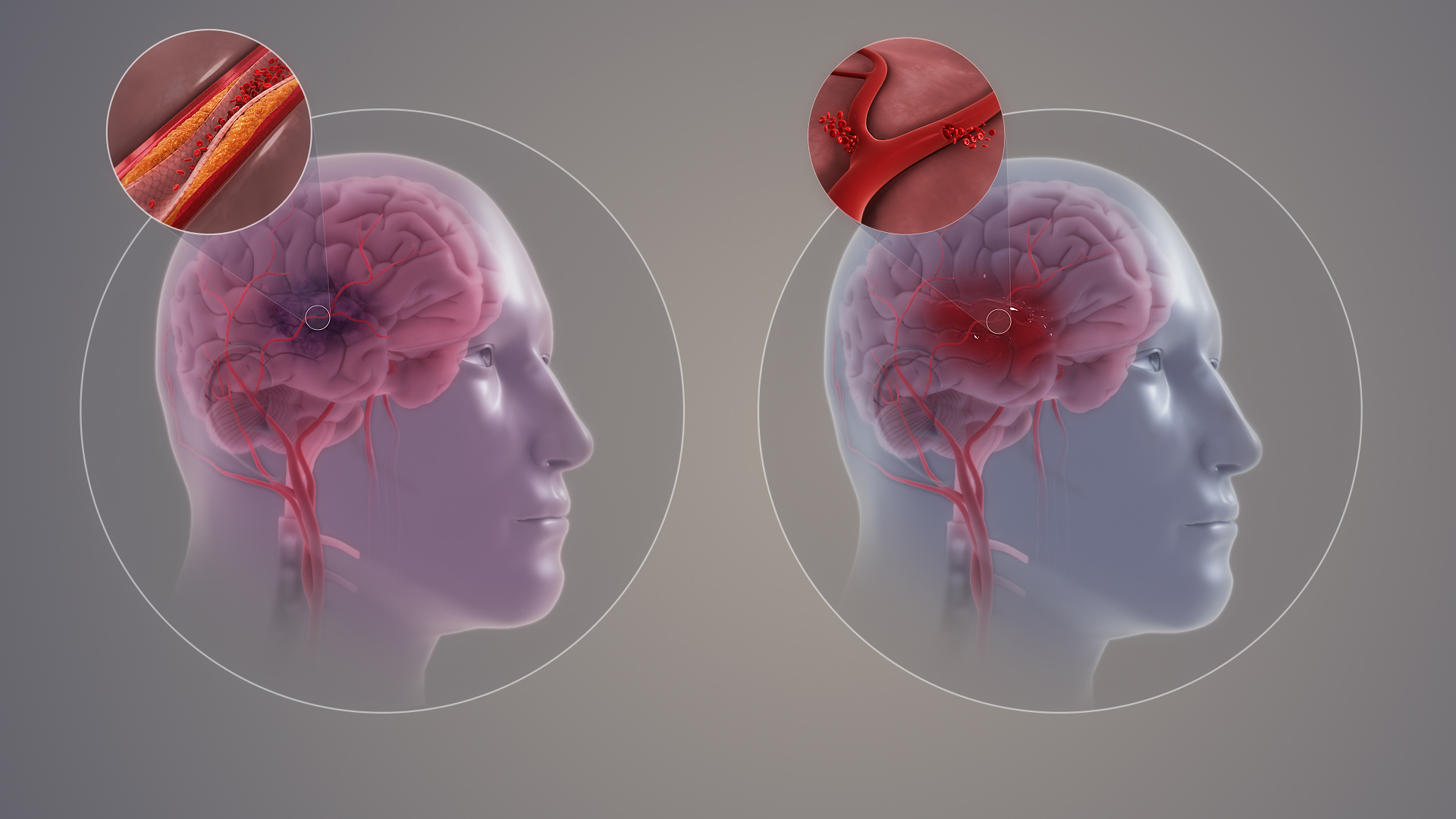
Kerala's Health Minister K Muraleedharan said there is an increase in stroke cases among the youth.

Synopsis: A question in the Assembly on rising stroke cases among young people has exposed a political contradiction, as it faced the same queries about post-Covid health research that it once fired at the previous administration. While the government acknowledged concerns over a possible link between Covid-19 and stroke, it stopped short of announcing a dedicated scientific study, even as growing evidence and Kerala’s high stroke burden intensify calls for a comprehensive post-pandemic health assessment.
Acknowledging a spike in stroke cases among youngsters, Kerala’s Health Minister K Muraleedharan told the Assembly that the government was considering a hub-and-spoke model to strengthen the treatment and referral systems in the state.
The minister was responding to a calling-attention motion by Manjeswaram MLA, A.K.M. Ashraf of the Indian Union Muslim League, on Wednesday, 3 June.
Citing available data, though without specifying its source, Muraleedharan said post-Covid complications were being suspected to be a contributing factor for the increase in stroke cases.
He said Covid may weaken blood vessels or trigger blood clotting, potentially increasing the risk of stroke.
The minister, however, clarified that conclusive scientific evidence establishing such a link has yet to emerge and that studies and scientific assessments on post-Covid stroke cases were still ongoing.
The government, he said, was examining the available evidence and developments in the field.
Besides considering the hub-and-spoke model for stroke management, the government was also mulling over extending insurance coverage for stroke treatment under state health schemes, with a cap of ₹5 lakh through the State Health Agency, the minister said.
A hub-and-spoke model is a centralised organisational structure where a central hub manages and coordinates activities with multiple connected spokes or branches.
Incidentally, the UDF, now in the treasury benches, had fired the same question at the previous dispensation.
Also Read: Kerala launches India’s first ‘Mission Stroke’ to combat stroke
While in the Opposition, the UDF had accused the then-ruling LDF dispensation of failing to conduct comprehensive studies and assessments on Covid-19’s long-term health impacts in Kerala.
In his response to Ashraf on Wednesday, Muraleedharan did not outline any concrete study, data collection exercise or policy intervention.
Raising concern over the increasing incidence of stroke among younger people, Ashraf urged the government to conduct a comprehensive clinical study and establish a stroke registry in the state.
Drawing the Health Minister’s attention, Ashraf said the possible link between post-Covid complications and stroke required scientific examination.
He pointed out that several people in the 30-45 age group had either become bedridden or lost their lives following a stroke. He urged the Health Department to conduct a detailed study.
Also Read: Study links stroke to where you live, ethnicity, and genes
The UDF, while in the Opposition, had repeatedly accused the LDF government of failing to scientifically assess the long-term impact of the pandemic on Kerala’s population.
The then-Leader of the Opposition, and now Chief Minister, VD Satheesan, had consistently raised concerns both inside and outside the Assembly over the absence of reliable data on post-Covid health complications, excess mortality and the lasting effects of the coronavirus.
He argued that despite Kerala’s extensive experience in managing the pandemic, the government had not undertaken a serious scientific exercise to understand its long-term consequences.
Satheesan had questioned the Health Department’s preparedness and alleged that it lacked comprehensive records on deaths and illnesses linked to post-Covid complications.
He also pointed to rising mortality figures and sought a detailed analysis to determine whether they were connected to the aftereffects of Covid-19.
A key UDF criticism was that deaths occurring weeks or months after recovery from Covid, including those attributed to cardiac and other health complications, were often excluded from official pandemic records.
The Opposition had argued that it not only obscured the true impact of the pandemic but also deprived affected families of government assistance and eligible compensation.
The UDF further maintained that the government had failed to conduct a wider assessment of the pandemic’s impact on public health, mental well-being, education and livelihoods.
Calling for transparency and evidence-based policymaking, Satheesan had demanded the release of data and the launch of comprehensive studies to address Kerala’s post-pandemic challenges.
The demand for a scientific post-Covid assessment thus remained a consistent theme in the UDF’s criticism of the previous government.
However, despite having consistently demanded a comprehensive post-Covid assessment while in the Opposition, the UDF government appeared cautious in its response to the first question in the Assembly on the issue.
Instead of announcing a dedicated study or disclosing any ongoing large-scale research initiative, the government offered only a broad assurance. It said the Health Department has been monitoring, assessing and examining the post-pandemic health situation in the state.
The government, however, skirted questions about whether a structured post-Covid impact study was underway.
Also Read: 85.7% of people in Kerala are unaware of stroke symptoms
The state’s decision to launch the Mission Stroke Scheme in 2024 — the first-of-its-kind in India — reflected the growing public health challenge posed by stroke in the state, which recorded one of the highest stroke prevalence rates in India.
Implemented under the state Health Department with the support of the Indian Academy of Neurology, the Kerala Association of Neurologists and the Comprehensive Stroke Care Unit at the Sri Chitra Tirunal Institute for Medical Sciences and Technology (SCTIMST), the project aimed to ensure timely diagnosis and treatment, particularly during the critical first few hours after a stroke.
The data pointed to the urgency.
A study based on the Trivandrum Stroke Registry at SCTIMST estimated Kerala’s annual stroke incidence at 120-140 cases per one lakh population, with a mortality rate of around 25%.
Nearly half of the survivors were left with moderate to severe lifelong disability. The study also placed the crude prevalence of stroke in Kerala at more than 625 cases per one lakh population.
More recent evidence pointed to the growing burden.
A 2024 study that analysed stroke burden and risk factors across India identified Kerala, Goa and West Bengal as the states with the highest stroke prevalence.
It also showed that Kerala’s stroke incidence rate increased from 113 per one lakh population in 1990 to 145 per one lakh population in 2021.
Against this backdrop, the demand to examine whether the Covid-19 pandemic may have contributed to the rising burden of stroke has risen. The global scenario also pointed to its necessity.
A 2026 study found that Covid-19 infection was associated with a temporary increase in stroke risk, with the danger peaking soon after infection and declining over time.
The excess risk was largely linked to ischaemic strokes, while cerebral venous sinus thrombosis (CVST), though uncommon, showed the strongest relative association.
Importantly, the elevated risk was mainly observed among people infected before the emergence of the Omicron variant.
Another study, published in the CDC’s Emerging Infectious Diseases journal in December 2025, reported that the risk of thrombotic events, including stroke, remained higher among Covid-19 patients than among those who had other acute respiratory infections.
Researchers found that non-hospitalised Covid-19 patients faced a 73% higher risk of a thrombotic event during the year following infection compared with patients who had other respiratory illnesses.
The study concluded that the risk of blood-clot-related complications, including stroke, could remain elevated for up to a year after Covid-19, particularly among those who required hospitalisation.
While researchers recommended further analysis to account for demographic and medical differences between patient groups, they stressed the importance of continued surveillance and greater awareness of stroke symptoms.
For Kerala, where stroke has been representing a significant public health burden, the findings added another dimension to the challenge. Health experts said the focus must remain on rapid treatment, control of risk factors such as hypertension and diabetes, and public awareness of warning signs.
(Edited by Majnu Babu).



