

Published Jun 02, 2026 | 11:36 AM ⚊ Updated Jun 02, 2026 | 12:28 PM

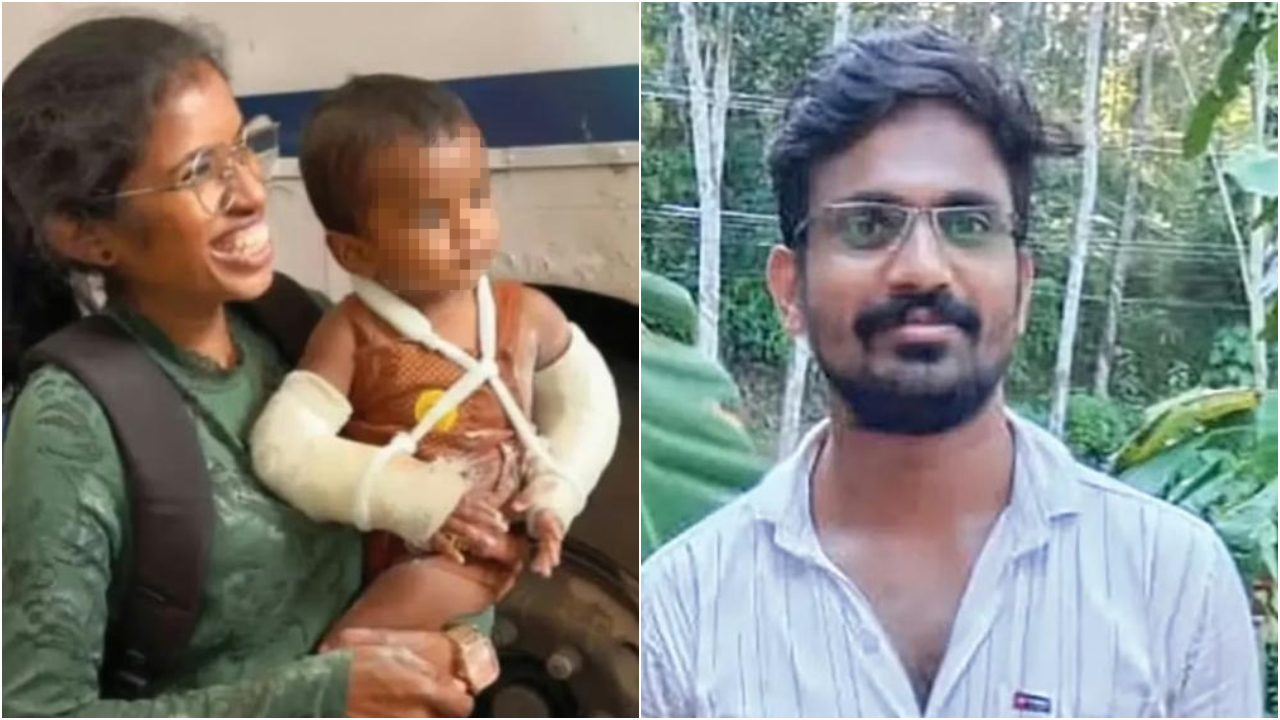
The initial probe revealed a chilling pattern of cruelty that preceded Arshid's death (supplied).

Synopsis: Kerala reels from the horrific torture and murder of toddler Arshith, allegedly by his mother’s paramour Ashkar, exposing systemic failures in child protection. Investigations reveal months of abuse, ignored police complaints, and Ashkar’s violent past. Meanwhile, Minister Bindu Krishna has promised accountability, widened probes, and a child-safety action plan in Kerala, as public outrage demands justice and institutional reform.
Shock and outrage continue to reverberate across Kerala after the brutal torture and murder of one-and-a-half-year-old Arshith, a crime that has exposed allegations of domestic violence, institutional failure and prolonged abuse.
As disturbing details emerge from the investigation, the state government has promised a comprehensive probe and announced measures aimed at strengthening child protection mechanisms
Minister for Women and Child Development Bindu Krishna assured the bereaved families that all allegations linked to the case would be thoroughly investigated, including accusations that repeated complaints against the prime accused, Ashkar, were ignored by police.
The minister’s intervention came during visits to both the family of the murdered child and to Amina, Ashkar’s first wife, who is currently undergoing treatment at the Medical College Hospital after years of alleged domestic abuse.
Also Read: Reported spousal violence declines across India, but rises sharply in Kerala: NFHS-6
Police investigations have revealed a chilling pattern of cruelty that preceded Arshith’s death.
According to the confession reportedly given by Ashkar (31), he had decided months ago that the toddler was an obstacle to the life he wanted to build with the child’s mother, Akhila (21).
Investigators say the child endured nearly three months of relentless abuse before succumbing to his injuries on 29 May.
The details are harrowing.
Arshith was allegedly beaten repeatedly, his head slammed against walls, his chest stomped upon and his feet and genitals burnt with cigarette lighter.
Police say the child was often assaulted simply for crying. On some occasions, cloth was stuffed into his mouth to silence him.
The post-mortem examination revealed the full extent of the brutality. Investigators found 51 separate injuries on the toddler’s body. Five sites of internal bleeding and swelling were detected inside the skull. Seven ribs had been fractured, allegedly from forceful stamping on the child’s chest.
Medical experts believe these injuries ultimately caused his death.
On the day of the incident, police say Ashkar assaulted the child while Akhila was away from home. When Arshith lost consciousness, he was rushed to hospital under the false claim that food had become lodged in his throat. Investigators allege that the accused attempted to destroy evidence by cleaning the house and surrounding area before seeking medical help.
Both Ashkar and Akhila have been arrested and remanded in judicial custody.
Also Read: Tamil Nadu, Kerala’s birth order paradox: Record-low fertility, but second children remain in demand
The minister’s visit to the Medical College Hospital exposed another dimension of the tragedy.
Amina, Ashkar’s first wife, reportedly recounted years of abuse at the hands of her husband and his family. Though struggling to speak, she indicated that violence had become a regular part of her life.
Her mother, Shaila, directly accused Ashkar and his relatives of inflicting severe physical and mental cruelty on Amina from a young age. The family alleged that complaints had previously been filed at the Nedumangad police station but that no effective action followed.
The minister assured the family that these allegations would be examined.
At Palode, grief overwhelmed Arshith’s grandparents, Sunil Kumar and Sheena, as they described the chain of events that ultimately ended in the toddler’s death.
The couple told the minister that they had been denied opportunities to see their grandson after Akhila began living with Ashkar following the death of her husband. They recounted the anguish of learning about the child’s death and seeing his lifeless body.
Their testimony added to growing public demands for accountability from all those who may have failed to intervene despite warning signs.
Responding to mounting concerns, Minister Bindu Krishna announced that the government would widen the scope of the investigation beyond the murder itself.
Authorities will examine allegations surrounding previous complaints against Ashkar and investigate suspicions raised by Amina’s family regarding the death of her brother.
The minister said a report would be submitted to the Home Minister regarding police officers who allegedly failed to act on complaints.
More importantly, the government has directed the Child Welfare Department to prepare a special child-safety action plan, combining awareness programmes with stronger protective mechanisms for vulnerable children.
The report states that the child died due to internal bleeding caused by continuous physical assault. At the time of the incident, Akhila was reportedly attending a dance programme in Tamil Nadu.
Suspicion over the child’s death intensified after relatives filed a complaint alleging prolonged abuse. Family members claimed that Ashkar had frequently assaulted the child and had allegedly fractured both of his arms about a month and a half ago.
The inquest report also recorded multiple injury marks on the child’s body, including signs of recent beatings. Based on the findings, police registered a case against both Akhila and Ashkar.
Also Read: Kerala’s school safety certification stuck in grey zone with 5 days left for reopening
The case now drawing attention not only for the alleged crime itself but also for the long list of complaints and criminal allegations previously levelled against the prime accused, Ashkar.
Tensions flared on 31 May when police brought the accused, Ashkar, to Karikuzhi for evidence collection. According to police, the accused cooperated with investigators and allegedly described the sequence of events related to the case. He is also reported to have told officers that some of the objects allegedly used in the assault had been thrown into a nearby stream, while others had been destroyed.
News of his arrival quickly spread through the locality, drawing a large crowd to the scene. Anger among residents boiled over during the evidence-gathering exercise, with several people allegedly attacking the accused using sticks and stones. Meanwhile, the police vehicle transporting him was also damaged.
Officers resorted to a lathi charge to disperse the crowd and complete the evidence collection process.
The victim, Arshit, was born after the death of his father, Akhil.
Following Akhil’s death, the child’s mother, Akhila, reportedly began living with Ashkar, a taxi driver from the area.
As details emerge, locals have pointed to a series of previous allegations against Ashkar, claiming that multiple complaints had been lodged against him over the years. These reportedly included accusations of assault, financial fraud, and violence against women.
Residents allege that despite repeated complaints, no deterring action was taken, allowing him to continue operating without serious legal consequences.
Among the most serious allegations are those raised by relatives of Amina, a woman whom Ashkar was married to earlier.
Family members claim she endured prolonged physical abuse and that an attempt was once made on her life after she was allegedly forced to consume poison. According to relatives, she sustained severe head injuries and later underwent lengthy medical treatment. A complaint was reportedly filed with the police, but family members allege that no effective action followed.
Locals also recall another relationship involving a woman from the Chirayinkeezhu area whom Ashkar allegedly met while working as a driver for a dance troupe. Neighbours claim the two lived together for some time before the woman allegedly died by suicide within a year.
With no close relatives to pursue the matter, residents say the case gradually faded from public attention.
Following that period, Ashkar and Akhila reportedly began living together. Residents say the relationship began within months of Akhil’s death. Separate allegations have also surfaced accusing Ashkar of obtaining gold ornaments from women known to him and pawning them without returning the jewellery. These allegations remain subject to investigation.
The latest case has now triggered widespread criticism of alleged lapses in law enforcement. Many residents argue that earlier complaints should have been investigated more thoroughly and are demanding answers about whether opportunities were missed to prevent further violence.
(Edited by Amit Vasudev)



