

Published Apr 23, 2026 | 6:41 PM ⚊ Updated Apr 23, 2026 | 6:41 PM

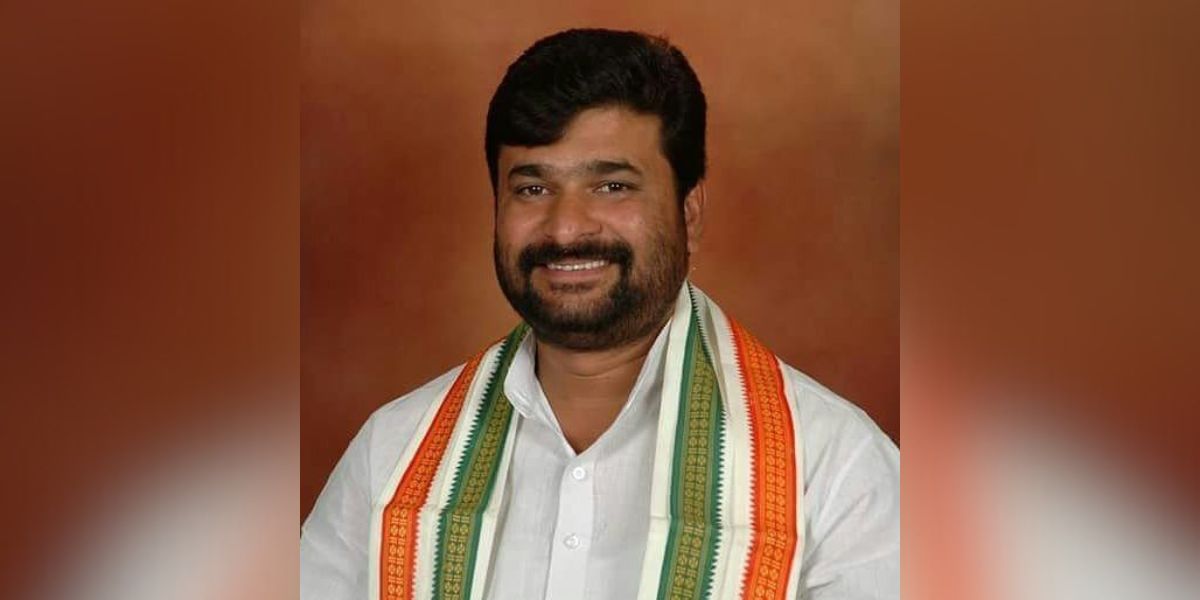
Vinay Kulkarni.

Synopsis: More than a week after Congress MLA Vinay Kulkarni was convicted and sentenced to life imprisonment for the 2016 murder of BJP leader Yogesh Gowda, he has not yet been disqualified. Assembly Speaker UT Khader said action would follow only after official intimation of the sentence. The delay has raised questions about whether it creates an informal window for convicted legislators to seek relief, despite a Supreme Court ruling mandating immediate disqualification.
Over a week since Karnataka Congress MLA Vinay Kulkarni was convicted for the murder of BJP leader Yogesh Gowda, the Speaker’s office is yet to initiate disqualification proceedings against him.
On 15 April, a special court for MPs and MLAs found Kulkarni guilty in the 2016 murder of Gowda, a former Dharwad Zilla Panchayat member who was hacked to death at a gym in Dharwad.
Kulkarni, who represents the Dharwad Assembly constituency, previously served as Minister of State for Mines and Geology in the first Siddaramaiah cabinet.
He was charged as the key conspirator in the murder and has been convicted of criminal conspiracy and murder under provisions of the IPC.
Two days after the conviction, Kulkarni was sentenced to life imprisonment and fined ₹30,000. As per Section 8(3) of the Representation of People’s Act (RPA), 1951, a sentence of at least two years in a criminal case triggers disqualification unless a higher court stays the conviction.
However, the Speaker’s office is yet to issue a notification declaring Kulkarni’s disqualification.
On Monday, Speaker UT Khader said that his office will take a call on disqualifying Kulkarni only after he “officially receives intimation” about the life sentence.
He further said that there were reports that the MLA will file an appeal against the court’s judgment.
“If he does so, then he will continue as the MLA,” Khader said.
Also Read: Speak Kannada or lose permit? Auto, cab drivers’ unions split over proposed language push
Until 2013, section 8(4) of the Representation of the People Act, 1951, was a provision that protected sitting MPs, MLAs and MLCs from immediate disqualification upon conviction for criminal offences.
It allowed them to continue in office if they filed an appeal or revision against their conviction within three months.
However, the Supreme Court struck down this section in the Lily Thomas vs Union of India (2013) judgement, ruling it unconstitutional and ultra vires.
This means that a sitting legislator is automatically disqualified upon conviction and pronouncement of sentence.
However, the delay in issuing a disqualification notification now raises questions over whether it creates a de facto window for legislators to approach higher courts and seek relief.
Kulkarni had earlier approached the Supreme Court against a High Court order that upheld the criminal charges against him and 20 others involved in the case.
Senior advocate Siddhartha Dave, appearing for Kulkarni, submitted that the MLA has been named only in the second charge sheet filed by the CBI and that the statement of the deceased’s widow doesn’t disclose his name.
“You obviously bought over the widow. SLP dismissed,” the bench said in June 2024, refusing to set aside the criminal charges.
Also Read: US tourist allegedly drugged, raped and detained in Kodagu homestay
Courts have, in some cases, suspended convictions of sitting legislators, effectively shielding them from disqualification.
In December 2024, the High Court suspended the conviction of Congress MLA for Karwar Satish Sail in six cases of illegal export of iron ore.
He was earlier sentenced to seven years of imprisonment in each of the cases.
“The appellant shall not be disqualified from participating in future elections while the appeal is pending,” the court ordered on Sail’s petition appealing the conviction.
Similarly, mining baron Gali Janardhana Reddy’s disqualification was revoked in May 2025 after the Telangana High Court granted him bail by suspending his conviction and seven-year prison sentence.
Reddy, who is currently representing Gangawati assembly constituency, was convicted in an illegal mining case involving the Obulaparam Mining Company (OMC) after a 13-year trial.
Soon after, the Telangana High Court, in response to an appeal filed by Reddy, observed that if the conviction was not suspended, a sitting MLA who had earned the confidence of the electorate would be unable to represent people of his constituency.
The MLA, along with other accused in the case, also presented before the court they had already been in jail for nearly half of the incarceration period announced – between 2011 and 2015.
Prior to the sentencing in Gowda’s case, the Additional Solicitor General submitted that the sentence must be most severe and legally permissible in law.
“The sentence must be such that it reflects the gravity of the wrong and the need to protect society…The offence of murder, which extinguishes life, the law must respond with commensurate gravity,” the ASG said.
He pointed to the circumstances in Gowda’s case that necessitates such a punishment.
“Vinay Kulkarni manipulated the system by abusing his position for personal gain by influencing the police department and other officials…Even the office of public prosecutor was not spared by the accused to tamper with the evidence,” ASG said.
According to a report by LiveLaw, the counsel also referred to the act of producing ‘dummy assailants’ to shield the original accused, before the case was eventually transferred to the CBI.
They also pointed to the alleged use of chilli powder on the deceased to incapacitate him before the murder.
(Edited by Dese Gowda)



