

Published Aug 26, 2026 | 9:56 PM ⚊ Updated Aug 26, 2026 | 9:56 PM

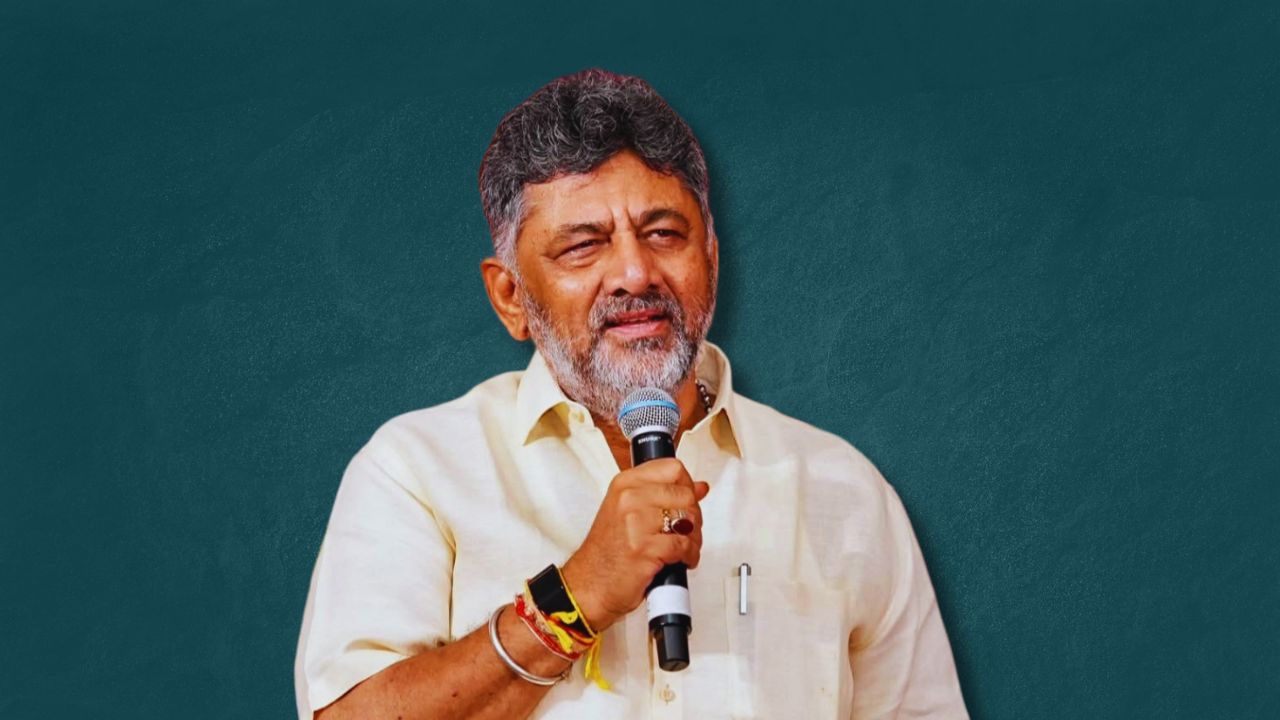
Chief Minister Shivakumar said the government is considering measures to protect and rejuvenate major water bodies around Bengaluru.

Synopsis: Karnataka will create a separate Praja Seva Department to handle public grievances, with its mechanisms reaching down to taluk and panchayat levels. Chief Minister DK Shivakumar said ministers and MLAs would be expected to regularly hear complaints at locations closer to where people live.
Karnataka will set up a new Praja Seva department dedicated to handling public grievances, Chief Minister DK Shivakumar announced on Wednesday, 26 August.
Addressing a news conference in Bengaluru, Shivakumar said a minister would head the department, while an Additional Chief Secretary-rank officer would oversee its administration.
“We are creating a separate Praja Seva Department for people’s grievances,” the chief minister said, adding that the mechanism would be taken down to the taluk level.
The minister heading the department would be expected to visit taluk headquarters on the first and third Saturday of every month to hear complaints directly from residents. MLAs would also be asked to hold grievance meetings at panchayat headquarters.
The move, Shivakumar said, was intended to make it easier for people to take their complaints directly to elected representatives and senior officials instead of repeatedly approaching different departments.
Also Read: Tejasvi Surya, Yellappa Reddy urge Governor to return amendments to Parks Act
The chief minister also announced that Karnataka would convene a one-day special legislature session to discuss the Western Ghats Eco-Sensitive Area issue linked to the Kasturirangan committee recommendations.
“We will discuss it in the Cabinet first and then call a special session of the legislature,” Shivakumar said.
He said the Assembly would debate the proposal’s implications before adopting a resolution conveying Karnataka’s objections to the Centre.
Shivakumar said the Centre had rejected the state government’s earlier request and Karnataka had now been given 60 days to submit its objections.
“This affects 1,449 villages in 10 districts and 39 taluks. We will go to the villages, speak to the people and explain what the proposal means and spread awareness,” he said.
The date of the special legislature session would be announced within three to four days, he added.
Also Read: Shivakumar urges ECI to extend claims period after over 1 crore listed under ASDDO
On the ongoing electoral-roll revision, Shivakumar said nearly 45 lakh voters could receive notices and asked Congress legislators to assist eligible voters who needed to file objections or whose names had been left out.
“We have to protect the voting rights of every voter. That is the responsibility of the government,” he said.
The state would facilitate Permanent Residence Certificates (PRC) as supporting documents for eligible voters, he added.
Shivakumar also spoke about the Bharat Jodo Yuva Sanghas being set up across Karnataka. The government has approved 10,000 such youth clubs, each expected to have around 100 to 250 members.
The clubs would undertake activities related to sports, culture, leadership, agriculture and the environment, with a mentor guiding each group. The government order provides for an annual grant of ₹10 lakh per club. The membership fee would be ₹10 per person.
Also Read: Karnataka passes bill to use up to 5 percent of park land for public projects
Park Bill
Responding to concerns over the amendment allowing up to five per cent of government park land to be used for public purposes, Shivakumar said the provision would not lead to buildings coming up inside parks.
“No buildings will be constructed. It will be used only where roads or similar public requirements are necessary,” he said.
Referring specifically to Lalbagh, he said only a small portion in a far-off corner would be affected. Those affected would receive compensation along with Transferable Development Rights under the applicable formula, he said.
The chief minister also said the government was looking at measures to protect and rejuvenate major water bodies around Bengaluru.
Six lakes around the city are proposed to be deepened to improve groundwater recharge. Water bodies referred to in connection with the plan include Hesaraghatta, Hoskote, Thippagondanahalli, Bannerghatta and Byramangala.
(Edited by Majnu Babu).



