

Published Sep 29, 2026 | 4:50 PM ⚊ Updated Sep 29, 2026 | 6:06 PM

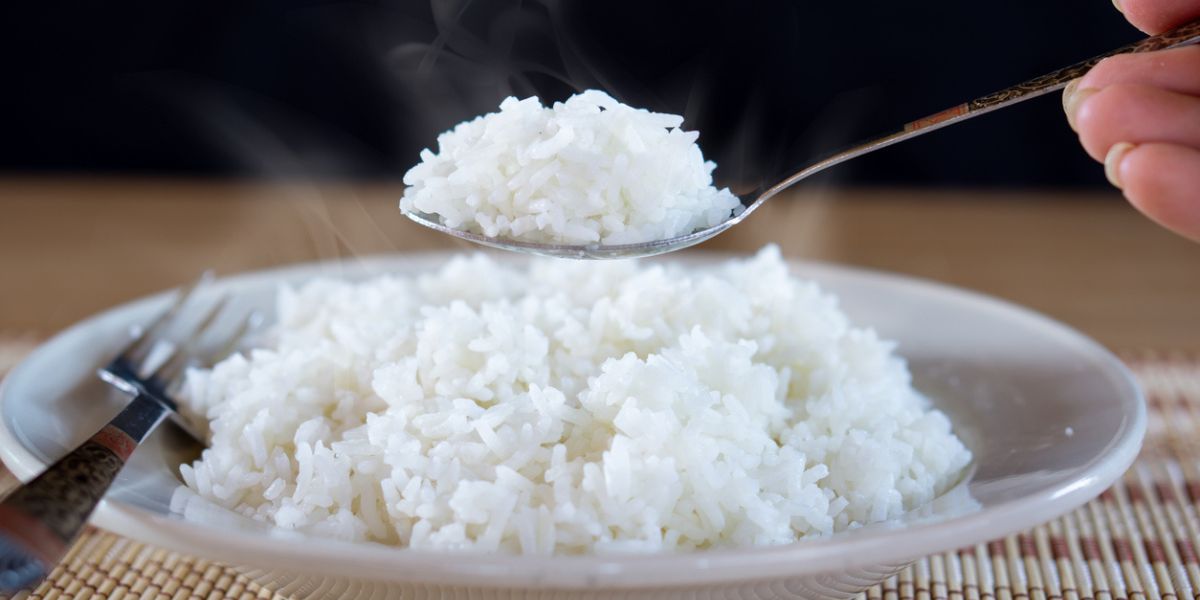
A moderate portion of polished white rice combined with vegetables, pulses and an adequate protein source provides a more balanced meal.

Synopsis: South Indian diets are changing, with polished rice and refined carbohydrates taking up more space on the plate. Dr V Mohan and cardiologist Dr Gobu P explain how large portions, low fibre and inactivity can contribute to insulin resistance, abdominal fat and cardiovascular risk, while stressing that rice itself is not the problem.
Rice has long been a staple of the South Indian diet. But as polished white rice and other refined carbohydrates have come to occupy a larger share of diets, foods that traditionally accompanied rice—millets, pulses, vegetables, fibre, protein and fermented foods—have come to feature less.
This change in consumption patterns has implications for the risk of metabolic changes associated with cardiovascular disease.
Dr V Mohan, chairman of Dr Mohan’s Diabetes Specialties Centre and the Madras Diabetes Research Foundation, said refined carbohydrates are digested quickly, causing blood glucose and insulin levels to rise rapidly. Regularly consuming large quantities, especially when combined with excess calorie intake and low physical activity, can gradually reduce the body’s responsiveness to insulin.
This condition, known as insulin resistance, can contribute over time to abdominal or visceral fat, high triglyceride levels, low HDL cholesterol, fatty liver and type 2 diabetes, Dr Mohan said. These metabolic changes are also associated with increased cardiovascular risk.
The risk is particularly relevant to South Asians because metabolic abnormalities can develop at relatively lower BMI levels than in several other populations.
“Visceral fat is metabolically active and can contribute to insulin resistance, inflammation and abnormal lipid levels,” Dr Mohan said, speaking to South First.
The progression from dietary pattern to heart disease is not necessarily a straight line from eating rice to developing diabetes and then having a heart attack.
Dr Gobu P, interventional cardiologist at Gleneagles Hospital, Chennai, said cardiovascular risk can begin building years before a person reaches the diagnostic threshold for diabetes.
“The concern is not rice or any single carbohydrate. It is what happens when a large proportion of the diet consists of refined carbohydrates, particularly when portions are large and the diet lacks sufficient fibre, protein and other nutrients,” he said to South First.
When this pattern is combined with physical inactivity and excess calorie intake, it can contribute to insulin resistance, increased triglycerides and abdominal fat.
Over time, these metabolic changes, along with high blood pressure and abnormal cholesterol levels, can increase the risk of plaque formation in the arteries.
“Heart disease is rarely the result of one food or one meal. It is the cumulative effect of dietary habits, metabolic health and other risk factors over several years,” Dr Gobu said.
Also Read: Love your tea/coffee scalding hot? The habit might be tripling your risk of oesophageal cancer
For South Asians, visible body weight may not always reflect what is happening metabolically.
Dr Mohan said visceral fat, which is stored around internal organs, may not always be obvious from body weight alone. A person can therefore have a normal BMI while carrying excess abdominal fat and developing insulin resistance or abnormal lipid levels.
Dr Gobu said the same issue is seen in cardiovascular practice.
“Body weight tells us how much a person weighs, but it does not tell us where the fat is stored,” he said.
Two people can have the same BMI but very different amounts of abdominal fat and different cardiovascular risk profiles.
“Some people have a normal body weight but carry more fat around the abdomen and have relatively less muscle mass,” Dr Gobu said. “They may also have insulin resistance, abnormal triglycerides or high blood pressure without knowing it.”
This is why he said waist circumference should be considered alongside BMI, blood pressure and blood investigations.
The absence of visible obesity can sometimes create false reassurance and delay preventive screening.
Also Read: Dirtier the air, the faster kidney function slipped, reveals study conducted in Chennai and Delhi
A rise in blood glucose after eating is normal. The concern is persistent or excessive elevation, particularly when it occurs alongside insulin resistance and other metabolic abnormalities.
Dr Gobu said research suggests substantial glucose fluctuations may contribute to oxidative stress and affect endothelial function. The endothelium is the inner lining of blood vessels and plays an important role in regulating blood flow.
But he cautioned against treating every post-meal glucose rise as harmful.
“We should be careful about claiming that every post-meal glucose spike directly damages arteries or causes a heart attack,” he said.
Instead, the focus should be on persistent glucose abnormalities and a person’s overall cardiovascular risk. That means looking beyond a single blood sugar reading to blood pressure, waist circumference, cholesterol, triglycerides and family history.
Dr Mohan said rice itself is not necessarily unhealthy. The concern is more about portion size, processing and what the rice is eaten with.
A large portion of polished white rice with very little fibre or protein can result in a higher glucose and calorie load. A moderate portion combined with vegetables, pulses and an adequate protein source provides a more balanced meal.
“The goal should be portioning control and dietary balance rather than completely avoiding rice,” Dr Mohan said.
Dr Gobu agreed that making rice the sole target misses the larger issue.
“Rice is an important part of South Indian food culture, and simply telling people to stop eating rice is neither a complete cardiovascular prevention strategy nor a practical long-term solution,” he said.
What matters, he said, is the quantity, frequency, what accompanies the rice and the overall quality of the diet.
Also Read: India has no new anaemia figures. The ICMR survey meant to provide them is still being analysed
Dr Mohan said the amount of carbohydrate consumed at one time can influence blood glucose and insulin levels, while fibre can slow digestion, improve satiety and support better glucose regulation.
Vegetables, whole grains and millets, pulses and legumes, nuts and seeds, and appropriately portioned fruits can provide fibre. Adequate protein can also improve satiety and help maintain muscle mass.
The idea, therefore, is not to abandon traditional South Indian food but to change the composition of the plate.
Dr Mohan recommends reducing the portion of polished white rice, increasing vegetables and fibre-rich foods, including pulses and other protein sources, choosing minimally processed foods more often and limiting refined and ultra-processed foods. Frequent sugary drinks and foods high in added sugar also need attention, alongside regular physical activity.
Dr Gobu said findings linking higher refined-grain intake with larger waist circumference, higher blood pressure and triglycerides are consistent with broader cardiometabolic concerns seen among South Asian populations.
But he cautioned against attributing these changes to refined grains alone.
“Diet, physical activity, genetics, sleep, family history and other lifestyle factors all contribute to cardiovascular risk,” he said.
In clinical practice, he said, doctors need to understand what a patient eats throughout the day, the quantities involved, how active they are and whether they have other risk factors.
“An association between refined-grain intake and metabolic abnormalities is important, but it does not establish that one particular food is responsible for an individual’s heart disease,” Dr Gobu said.
Dr Gobu said there is no need to abandon traditional South Indian meals to improve cardiovascular health.
“If I had to suggest one practical change, I would ask people to improve the balance of their everyday plate rather than eliminate rice,” he said.
That means reducing the proportion of the meal occupied by refined starches and increasing vegetables, pulses and other fibre-rich foods. Adequate protein and portion control also matter. Where practical, some refined grains can be replaced with less-refined, higher-fibre alternatives.
“For someone who regularly eats a large serving of rice with very little else, improving that balance consistently is a sensible starting point,” Dr Gobu said.
He also recommends regular physical activity, including walking after meals where appropriate.
But diet and exercise, he said, should go alongside checking blood pressure, cholesterol and blood glucose, particularly among people with a family history of early heart disease.
(Edited by Dese Gowda)



