

Published Oct 30, 2026 | 7:00 AM ⚊ Updated Oct 30, 2026 | 7:00 AM

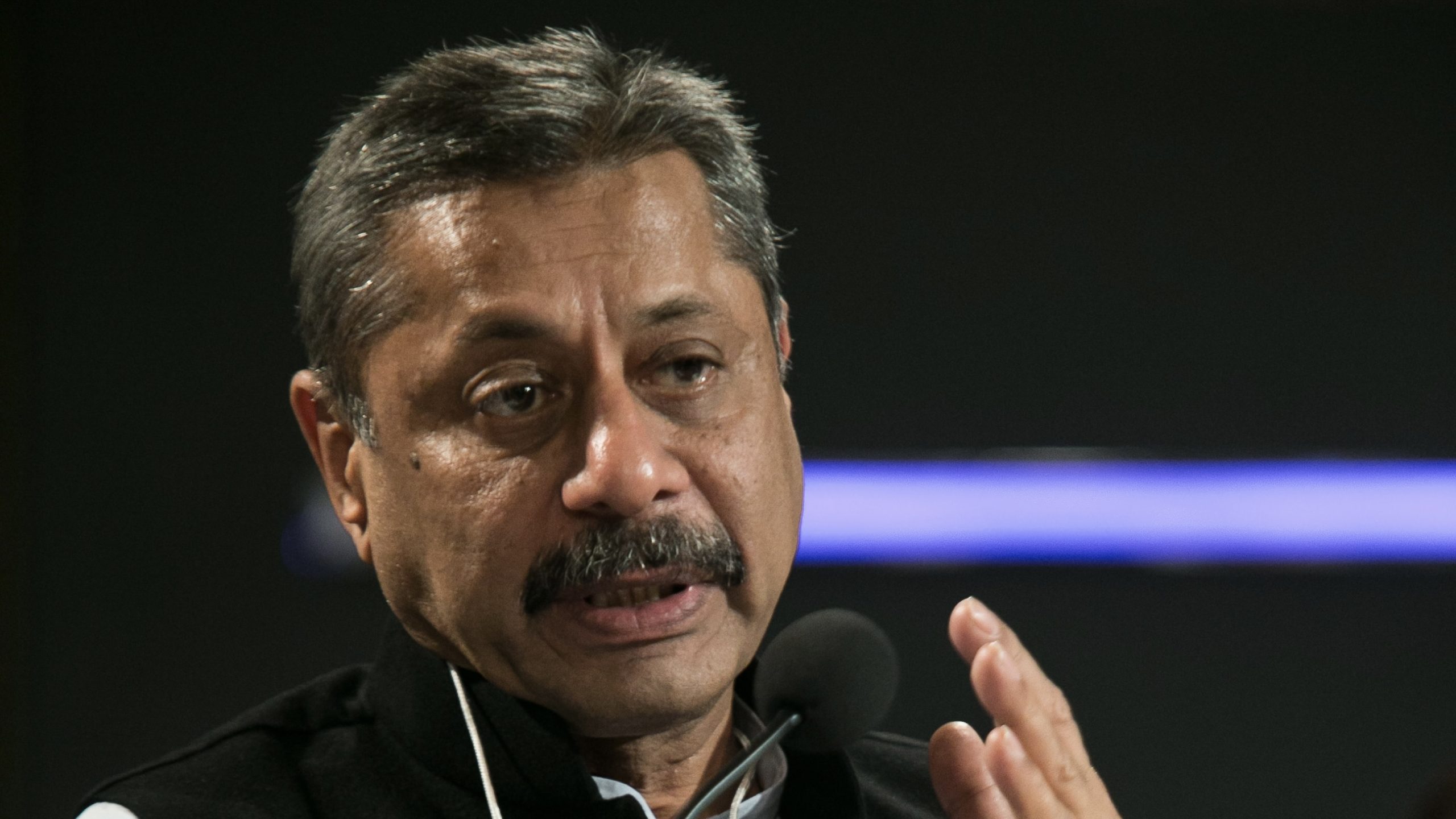
Dr Naresh Trehan, chairman and managing director of Medanta.

Synopsis: The Union government’s committee to review India’s pharmaceutical marketing regulations faces questions over Medanta CMD Dr Naresh Trehan’s inclusion. The Working Group on Access to Medicines and Treatments has flagged potential conflicts of interest and sought his replacement, while healthcare expert Rama Venugopal questioned the panel’s stakeholder representation and transparency.
The Union government decision to appoint Dr Naresh Trehan, chairman and managing director of Medanta, to a committee examining India’s pharmaceutical marketing regulations has triggered concerns over potential conflicts of interest and the panel’s independence.
The Working Group on Access to Medicines and Treatments has urged the Department of Pharmaceuticals to replace Trehan, arguing that his financial interests and association with the Medanta Group could raise questions about the impartiality of a committee tasked with strengthening ethical pharmaceutical marketing practices and improving access to affordable healthcare.
In an order dated 22 October, the Department of Pharmaceuticals constituted a three-member committee to examine the effectiveness of existing regulatory frameworks governing pharmaceutical marketing and recommend measures to strengthen oversight. The committee is chaired by Dr M Srinivas, member of NITI Aayog. Former Union health secretary Preeti Sudan and Trehan are the other members.
The committee’s formation follows Supreme Court directions concerning the regulatory framework governing pharmaceutical marketing practices, including the voluntary Uniform Code for Pharmaceutical Marketing Practices (UCPMP) 2024.
“The committee’s mandate is to strengthen ethical practices and promote access to affordable healthcare,” the Working Group said in a statement, expressing concern over Trehan’s inclusion.
The group said the committee’s deliberations and recommendations must remain independent and be guided solely by public health considerations. It clarified that its objection was not to consulting healthcare industry stakeholders, but to the inclusion of a member whose financial interests, it argued, could give rise to a potential conflict of interest.
“Our concern is related to the need to safeguard the committee’s independence and impartiality,” the statement said.
The Working Group urged the Department of Pharmaceuticals to reconstitute the committee by replacing Trehan with a member it considers free of conflicts of interest. It said the recommendations must be impartial, transparent and grounded in the public interest.
“Allowing potential conflict of interest to undermine the independence of the committee would defeat the very purpose of the Supreme Court’s directions,” the group said.
The Working Group also referred to a 2018 examination by the National Pharmaceutical Pricing Authority (NPPA) of hospital bills at four hospitals, including Medicity-Medanta. According to the group, the examination identified instances of overcharging and an unethical practice involving collaboration with pharmaceutical companies.
It further cited subsequent Supreme Court proceedings and evaluations by state drug regulatory authorities in Maharashtra, Uttar Pradesh and Karnataka, which it said had revealed instances of substantial markups in hospital pricing.
The group raised these issues in the context of the committee’s mandate to examine pharmaceutical marketing practices and strengthen oversight mechanisms. However, the concerns it has raised about Trehan’s appointment do not, by themselves, establish that he has acted improperly or that the committee’s decisions would be compromised.
The Department of Pharmaceuticals’ order states that the Uniform Code for Pharmaceutical Marketing Practices was introduced in 2015 as a voluntary, industry self-regulatory mechanism to promote ethical marketing and regulate interactions between pharmaceutical companies and healthcare professionals.
Its stated objective was to ensure that pharmaceutical promotion remained accurate, balanced and evidence-based, and that prescribing and treatment decisions were not improperly influenced by gifts, financial inducements or other benefits. The department subsequently introduced the UCPMP 2024, which superseded the 2015 version and strengthened the code’s implementation framework.
The newly constituted committee has been asked to undertake a comprehensive examination of issues relating to unethical pharmaceutical marketing and assess the effectiveness of existing monitoring, oversight and enforcement mechanisms. It must also identify measures to improve transparency, accountability and compliance.
Also Read: Centre bans reuse of single-use medical devices, doctors warn of higher treatment costs
Beyond the potential conflict of interest, the committee’s composition has also prompted questions about whether it adequately represents the stakeholders affected by pharmaceutical marketing practices.
Healthcare expert Rama Venugopal, commenting on the notification on X, questioned the absence of representatives from pharmaceutical companies, consumer forums, patient safety groups, medical associations and regulators overseeing healthcare services.
“This is NOT a committee with wide stakeholders,” Venugopal wrote, arguing that the panel should include representatives from different stakeholder groups and regulators connected with healthcare services.
“How can the committee have only hospital representative? Where are the Medical Associations,” Venugopal asked.
The expert also questioned how the public would know which stakeholders were consulted during the committee’s deliberations and whether their identities would be disclosed.
“How will the stakeholders, general public know which stakeholders are consulted, what are their names etc,” the post said.
Venugopal called for greater fairness in the constitution of government committees and argued that transparency and governance should begin with the institutions responsible for framing regulations.
“Transparency, Governance should start from the top first!” the expert wrote.
The Working Group on Access to Medicines and Treatments has also emphasised that it supports obtaining inputs from different stakeholders. Its objection, it said, concerns the inclusion of a member whose financial interests could potentially affect the committee’s independence.
(Edited by Dese Gowda)



