

Published Oct 25, 2026 | 4:19 PM ⚊ Updated Oct 25, 2026 | 4:19 PM

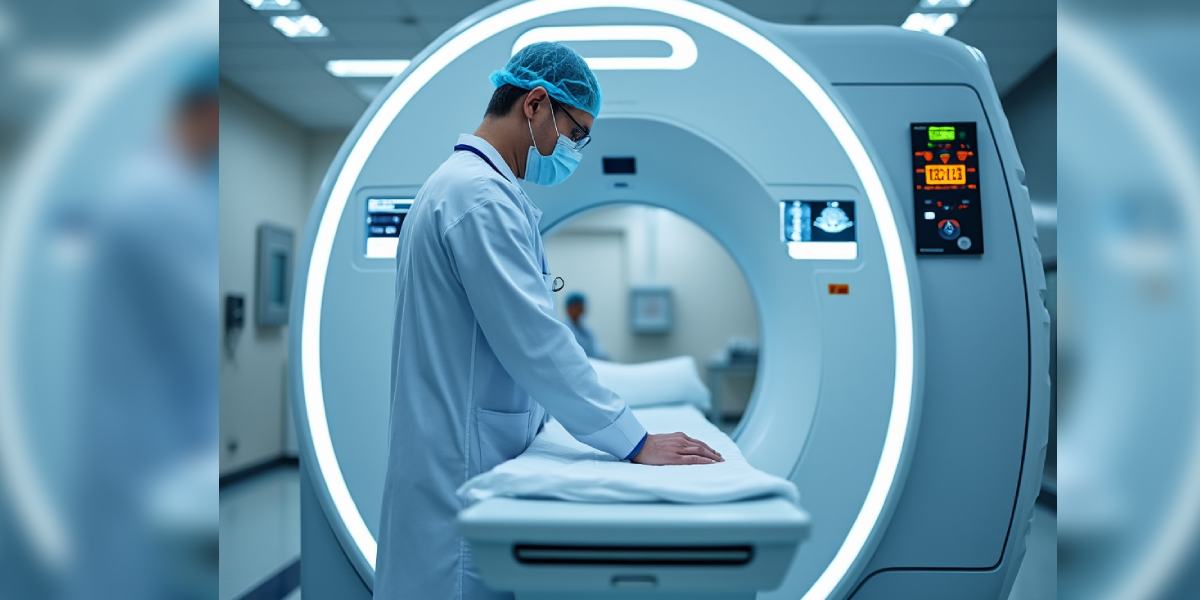
Doctors called for domestic manufacturing of expensive medical devices.

Synopsis: The Centre has banned the reuse of single-use medical devices across public and private healthcare facilities, citing patient safety and infection risks. However, doctors warn the directive could increase treatment costs, medical waste and out-of-pocket expenditure, calling for standardised sterilisation protocols, transparent billing, better insurance coverage and affordable domestic alternatives.
The Directorate General of Health Services (DGHS) has prohibited the reuse of single-use medical devices across public and private healthcare facilities, citing patient safety and infection risks. However, the directive has triggered concerns among doctors over its potential impact on treatment costs, affordability and medical waste.
In a letter dated 16 October 2026, Dr Loveneesh G Krishna, Director General of Health Services, said the government had received reports of private and corporate hospitals sterilising and reusing devices intended for one-time use, including those used in cardiology, nephrology, oncology, cardiothoracic and vascular surgery (CTVS), and neurosurgery.
“It has been observed that such devices and disposable surgical items, after being used for one procedure, are being subjected to sterilisation and subsequently reused, despite being designated for single use only,” Krishna wrote.
The letter also flagged instances in which patients or government authorities were allegedly charged or reimbursed the full cost of these devices despite their reuse.
The DGHS said the practice raised concerns about patient safety, infection prevention, regulatory compliance and healthcare expenditure. It warned that reuse could expose patients to cross-infection, device malfunction, reduced performance and other procedure-related complications.
“The reuse of single-use medical devices and disposable surgical items shall be strictly prohibited in all healthcare organisations,” the letter stated, extending the prohibition to public and private facilities under the jurisdiction of the Centre and the states.
The directive asks health secretaries, directors of health services, the Drug Controller General of India and state drug controllers to ensure strict enforcement. Authorities have also been asked to inspect and monitor healthcare establishments and take action against non-compliance under applicable laws and regulations.
The DGHS directive cited the Drugs and Cosmetics Act, 1940, Medical Devices Rules, 2017, Clinical Establishments Act, 2010, infection prevention and control protocols, and biomedical waste management provisions.
Also Read: In ‘stepmotherly’ Telangana, brick kiln workers earn more than young doctors
While the directive seeks to address safety concerns, doctors worry that a blanket prohibition could make procedures significantly more expensive, particularly in specialties that rely on costly medical devices.
General surgeon Dr Amit Thadhani questioned the government’s decision in a post on X, warning that it could drive up the cost of procedures across multiple specialties.
“I don’t think the govt has thought this through. It will lead to skyrocketing of costs of procedures that depend on these devices, from cardiac to gastroenterology and urology. Kindly reconsider this Ministry of Health and Family Welfare,” he wrote.
Surgeon Dr Sanjay Nagral also argued that prohibiting reuse without establishing a standardised alternative could increase costs and generate more medical waste.
“A blanket ban on reuse of single-use devices in Indian healthcare will increase costs & produce large amounts of waste. The cost of reused products is split between patients. As in many countries a standardized resterilization protocol & facility is the need. Not a ban,” Nagral said on X.
Their concerns centre on the economics of reprocessing. Reusing sterilized devices allows hospitals to distribute purchase costs over multiple procedures. If a new device must be purchased for every procedure, that cost could be passed on to patients.
Dr Sharath Kumar G, in a post on X, said the financial implications for patients should be considered before implementing the directive without supporting measures.
“Before celebrating this unfunded government directive, we must first ask what it will mean for patients financially, and who will ultimately bear the cost of putting it into practice,” he wrote.
Kumar argued that some hospitals currently charge patients for sterilisation when reprocessing eligible devices.
“At present, many hospitals reprocess certain devices and bill patients only for sterilisation. Requiring a new device for every procedure could replace that limited fee with the entire cost of purchasing the device, leading to a significant hike in hospital bills,” he said.
He also flagged the role of insurance coverage in determining how much patients ultimately pay.
“The burden becomes even heavier when insurance policies exclude particular disposable items, forcing patients to pay the uncovered amount themselves,” he wrote.
Kumar said patient safety and access to healthcare needed to be considered together, arguing that the prohibition should be accompanied by affordable safety protocols, transparent billing and adequate insurance protection.
“A safety measure can be considered successful only if it safeguards patients without making treatment unaffordable,” he said.
He also called for domestic manufacturing of expensive medical devices before imposing requirements that could increase procurement costs. As an example, he pointed to neuro-endovascular devices used in treating stroke, which he said were not manufactured in India.
Another doctor commenting on X argued that the blanket prohibition removes an option used by some hospitals to distribute equipment costs across patients.
The doctor said modern sterilisation technologies has made reprocessing safe and effective, and that some government hospitals and premier institutes have been using the practice to subsidise health care. The doctor also claimed that some centres obtained patients’ consent and reserved new devices for those who requested them.
“By removing this option entirely, the government is not protecting patients. It has taken away their autonomy and made essential medical care significantly more expensive,” the doctor said, adding that medical device manufacturers could benefit from the prohibition.
These arguments do not establish that all single-use devices can be safely reprocessed. The safety of reprocessing depends on the device, its intended use, the manufacturer’s instructions and the applicable regulatory framework.
(Edited by Fayisa CA)



