

Published Nov 26, 2026 | 7:00 AM ⚊ Updated Nov 26, 2026 | 7:00 AM

Among children aged 6–59 months, anaemia prevalence increased from 58.6 percent in NFHS-4 to nearly 67 percent in NFHS-5.

Synopsis: The Union Ministry of Health and Family Welfare has cited the 2023–2025 SAMPADA survey to claim a lower prevalence of anaemia “compared to previous surveys”. However, NFHS-5, the previous survey to measure anaemia prevalence, is not directly comparable with SAMPADA because the two surveys used different methods to measure haemoglobin levels. Senior public health doctor Sylvia Karpagam said the Ministry’s interpretation of the figures was misleading.
The Union Ministry of Health and Family Welfare, on 23 November, cited the latest Survey for Assessment of Markers of Population Health, Activity, Diet and Anthropometry (SAMPADA) 2023–2025 and said it showed “an encouraging shift with overall lower prevalence of anaemia compared to previous surveys”.
The National Family Health Survey-5 (NFHS-5), released in 2021, found that nearly 67 percent of children aged 6–59 months and 57 percent of women aged 15–49 were anaemic. The SAMPADA survey, conducted between 2023 and 2025, puts the prevalence at 41.8 percent among children aged 12–59 months and 55.9 percent among non-pregnant, non-lactating women aged 15–49.
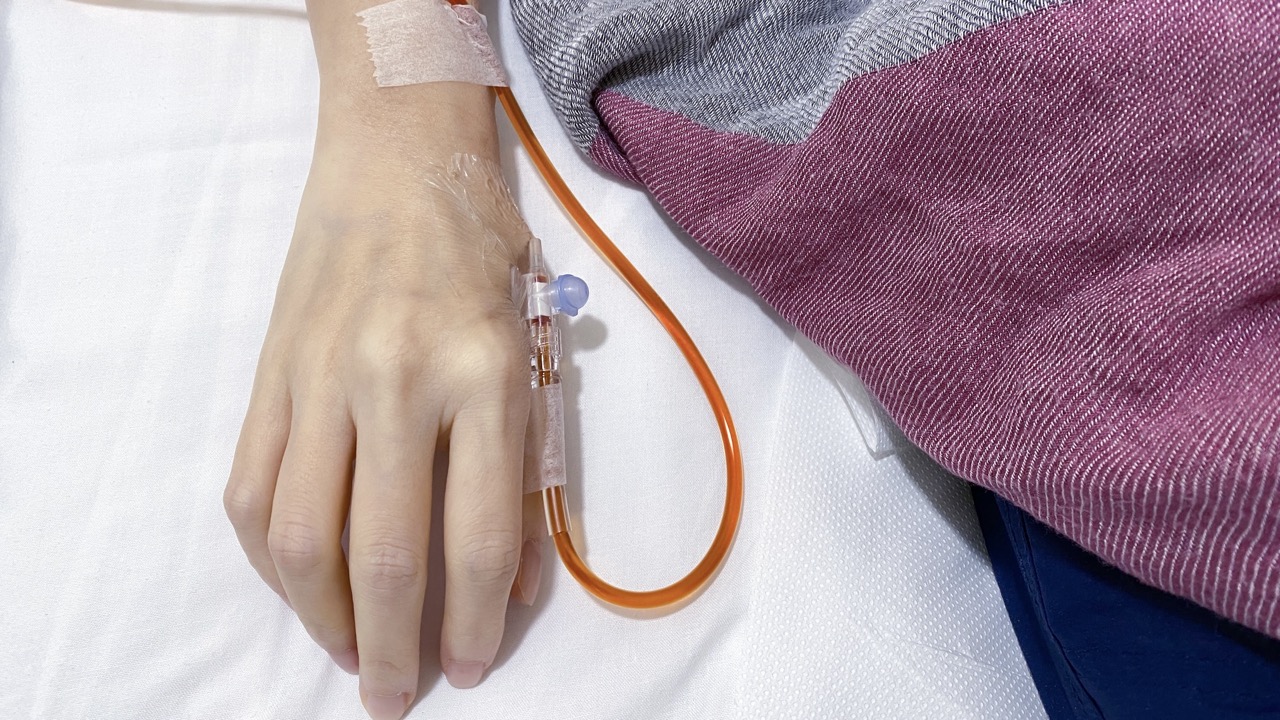
The two surveys, however, are not directly comparable because they used different methods to measure haemoglobin levels. NFHS-5 collected capillary blood samples through a finger prick, while SAMPADA collected venous blood samples for laboratory analysis.
Capillary blood sampling involves collecting a small blood sample from a fingertip prick. Venous blood sampling involves drawing blood directly from a vein, typically in the arm, for laboratory analysis. The difference in sampling methods can produce vastly different estimates of anaemia.
Senior public health doctor Sylvia Karpagam said the Ministry’s interpretation of the figures was misleading.
“This is no way a lower estimate as the fact sheet suggests,” she told South First.
Karpagam said the difference between the two methods should be understood, rather than used to dismiss the earlier findings.
“The capillary method as used in the NFHS is a screening method and is expected to have slightly higher prevalence than venous method. The venous method is considered the gold standard or the diagnostic method,” she said.
Also Read: How polluted air may increase the risk of Alzheimer’s disease
NFHS-4 and NFHS-5 both used capillary blood samples, thus data from the surveys’ findings are comparable. Among children aged 6–59 months, anaemia prevalence increased from 58.6 percent in NFHS-4 to nearly 67 percent in NFHS-5. Among women aged 15–49, it went up from 53.1 percent to 57 percent.
The findings raised uncomfortable questions about the performance of Anaemia Mukt Bharat, launched in 2018 to reduce anaemia through screening, treatment and iron supplementation.
The government subsequently argued that capillary blood testing could overestimate anaemia and that venous blood sampling offered more accurate results.
But Karpagam, along with Jammi N Rao and Akhila Vasan, termed the argument as ‘flawed’ in an op-ed in the Economic and Political Weekly. They called for more data on anaemia and said “break with past practice will create a barrier in assessing the effectiveness of health programmes.”
Moreover, Karpagam noted that NFHS itself advised against comparing results from capillary blood data with venous blood estimates.
“The capillary method has always been used in the NFHS. The Comprehensive National Nutrition Survey (CNNS) used the venous method and estimated around 41 percent prevalence of anaemia in children and adolescents,” Karpagam said.
A 2025 study published in the European Journal of Clinical Nutrition reported anaemia prevalence of 41 percent among adult women using venous blood. This was lower than the 61 percent reported among women aged 15–49 in NFHS-5.
This is not the first time the method of measuring anaemia has become a point of contention. After NFHS-5 reported an increase in anaemia, the Union Health Ministry decided in June 2023 to remove anaemia questions from NFHS-6 and shift the measurement to the Diet and Biomarkers Survey in India (DABS-I). The Ministry said the separate survey would use venous blood sampling to provide more accurate estimates.
The decision raised concerns among public health experts. NFHS had been the country’s regular source of comparable national and State-level anaemia data. Removing the indicators meant that NFHS-6 would no longer provide the same series of estimates.
Those concerns gained significance when the NFHS-6 key indicators factsheet, released on 29 May 2026, dropped all seven anaemia indicators. These covered children, adolescent girls and boys, pregnant women, non-pregnant women and men.
The survey continued to report indicators such as iron and folic acid supplementation during pregnancy but no longer included the corresponding anaemia outcomes in its key indicators factsheet.
In an August 2026 reply in Parliament, the government said a Technical Advisory Committee had selected the indicators as part of data harmonisation. It said anaemia estimates would be provided through an independent ICMR survey.
Separately, in July 2023, the Union government suspended Professor KS James, then director of the International Institute for Population Sciences (IIPS), which conducts NFHS, over alleged irregularities in recruitment and reservation rosters.
James resigned in August, citing personal reasons. The government revoked his suspension in October and accepted his resignation.
At the time, sources within IIPS told South First that the Ministry had earlier asked James to resign after he defended the NFHS-5 findings, particularly the increase in child anaemia. The Ministry had questioned whether capillary blood testing had inflated the estimates.
A faculty member told South First at the time: “This is a clear message being sent out by the government. Whoever will be appointed to this office will not be allowed to have any say on the NFHS-6 survey.”
Also Read: Doctors link Instagram-promoted fairness cream to serious kidney disorder in Keralam teenager
Even if the latest SAMPADA estimates are considered on their own, the burden remains substantial.
The survey found anaemia in 41.8 percent of children aged 12–59 months, 46.3 percent of adolescent girls, 43.6 percent of pregnant women and 55.9 percent of non-pregnant, non-lactating women aged 15–49. Among lactating women, the prevalence stood at 58.1 percent.
Iron deficiency remains widespread. SAMPADA reported it in 23 percent of children aged 12–59 months, 36 percent of adolescent girls and 34 percent of women of reproductive age. Among pregnant women, it stood at 29.6 percent.
The survey also found vitamin B12 deficiency in 65.4 percent of adolescent girls, 63.1 percent of pregnant women and 51.8 percent of lactating women.
The government says SAMPADA will help strengthen the programme through more targeted interventions.
ICMR Director General Dr Rajiv Bahl said anaemia profiling in the SAMPADA survey provides “an evidence base to strengthen the ongoing national efforts towards Anaemia Mukt Bharat.”
“SAMPADA provides nationally representative estimates of anaemia across children, adolescents, adults, pregnant and lactating women and older adults, together with detailed information on micronutrient deficiencies to evaluate potential causes of anaemia. It is encouraging that prevalence of anaemia is lower in SAMPADA compared to previous national surveys,” he said.
Dr Bharati Kulkarni, Director of ICMR-NIN, said the survey’s findings support more targeted, population-specific and life-course approaches to anaemia prevention and management.
“The evidence can contribute, while also identifying areas where further research and improved surveillance are required,” she said.
(Edited by Dese Gowda)



