

Published Nov 21, 2026 | 2:08 PM ⚊ Updated Nov 21, 2026 | 2:08 PM

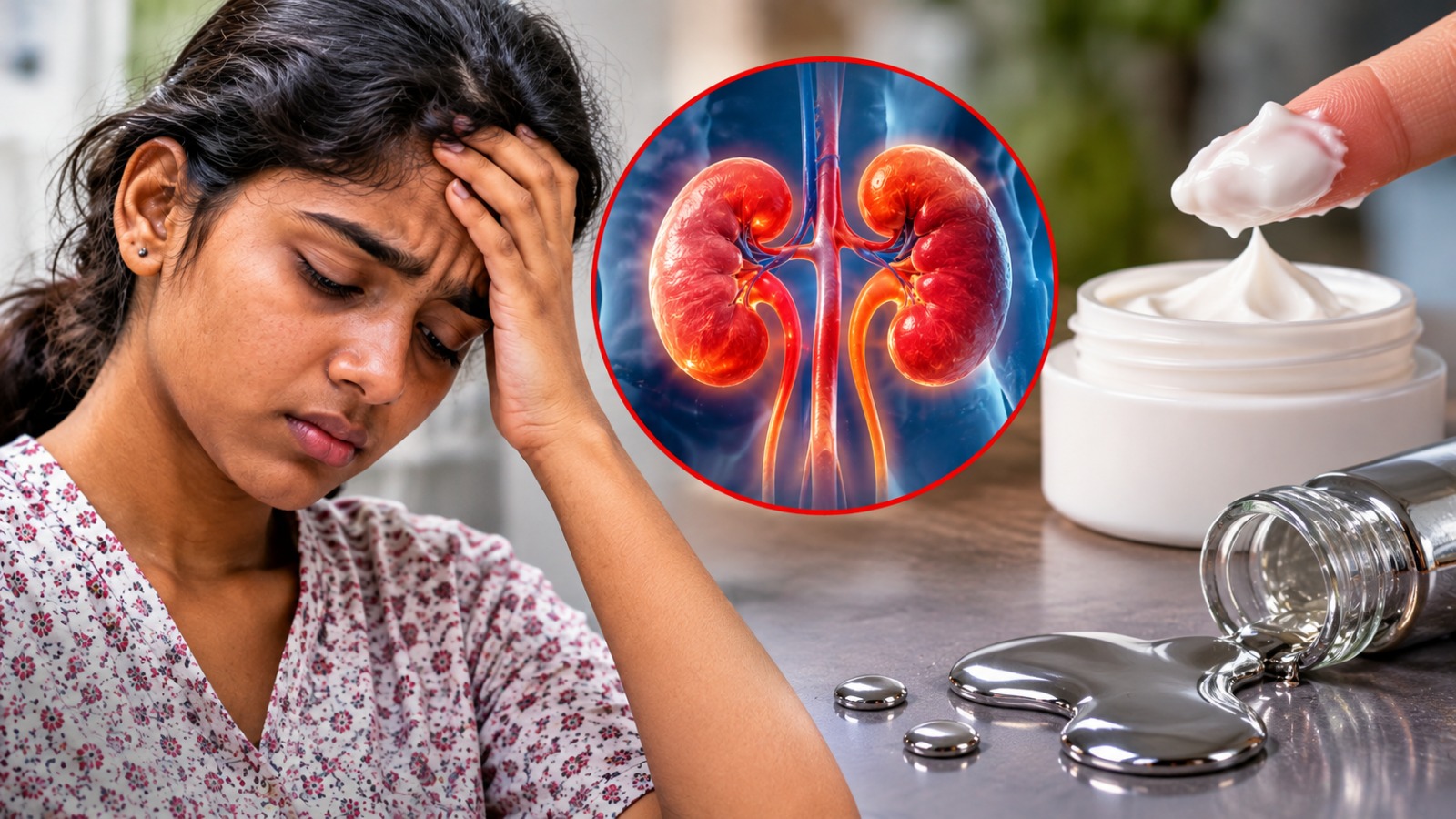
Dr S Gouri, senior specialist, explained that prolonged exposure to high levels of mercury could damage the kidneys. (AI-generated image)

A teenager’s quest for blemish-free skin, encouraged by social media promotions of a fairness cream, ended in a serious health crisis after prolonged use allegedly exposed her to dangerously high levels of mercury, doctors at Aster MIMS Mother Hospital, Areekode, Malappuram, said.
The 17-year-old girl is said to have developed membranous nephropathy, a serious kidney disorder, after using the cream for nearly a year.
Doctors said laboratory tests reportedly found 12,500 parts per million (ppm) of mercury in the product, against the permissible limit of less than one ppm. They disclosed the case at a press conference on Friday, warning about the health risks posed by unregulated cosmetic products promoted through social media.
Dr S Gouri, senior specialist in the hospital’s Nephrology Department, explained that prolonged exposure to high levels of mercury could damage the kidneys’ filtering units and lead to membranous nephropathy. In severe cases, it could result in kidney failure and neurological complications, she warned.
The girl said she came across Instagram videos in which influencers endorsed the cream, claiming it could clear pimples, dark spots, and pigmentation.
After contacting the sellers through a WhatsApp number shared on the platform, she placed an order online. Finding the product effective initially, she continued using it and purchased several more bottles over the following year.
However, she subsequently began experiencing health problems, including a sudden fall in blood pressure, fainting spells, and swelling in her legs. Her condition eventually made walking and climbing stairs difficult, prompting her family to seek medical attention.
Doctors said cosmetics should not contain mercury, with the permissible concentration restricted to less than one ppm even in unavoidable circumstances. Timely diagnosis and specialised treatment helped save the teenager’s life, hospital authorities said.
The girl alleged that she approached the company after developing health complications but received no satisfactory response. Although the company initially promised to convey her complaint to senior officials, its representatives subsequently stopped responding to her messages, she said.
Her family is preparing to initiate legal proceedings against the company through the consumer court. They have withheld the product’s name in view of the proposed legal action and urged the authorities to intervene to prevent the sale of similar products.
Hospital authorities said the matter had also been brought to the attention of the Health Department. Dr Gouri cautioned against trusting online endorsements that promise dramatic changes in skin colour or quick relief from skin conditions.
She advised people experiencing skin problems to consult qualified dermatologists rather than experiment with products sold through social media promotions.
Also Read:
The skin under the filter: How social media ‘quackery’ is harming dermatology and trust
(With inputs from Dileep V Kumar. Edited by R Rajesh Kumar.)



