

Published Jul 21, 2026 | 2:45 PM ⚊ Updated Jul 27, 2026 | 3:15 PM

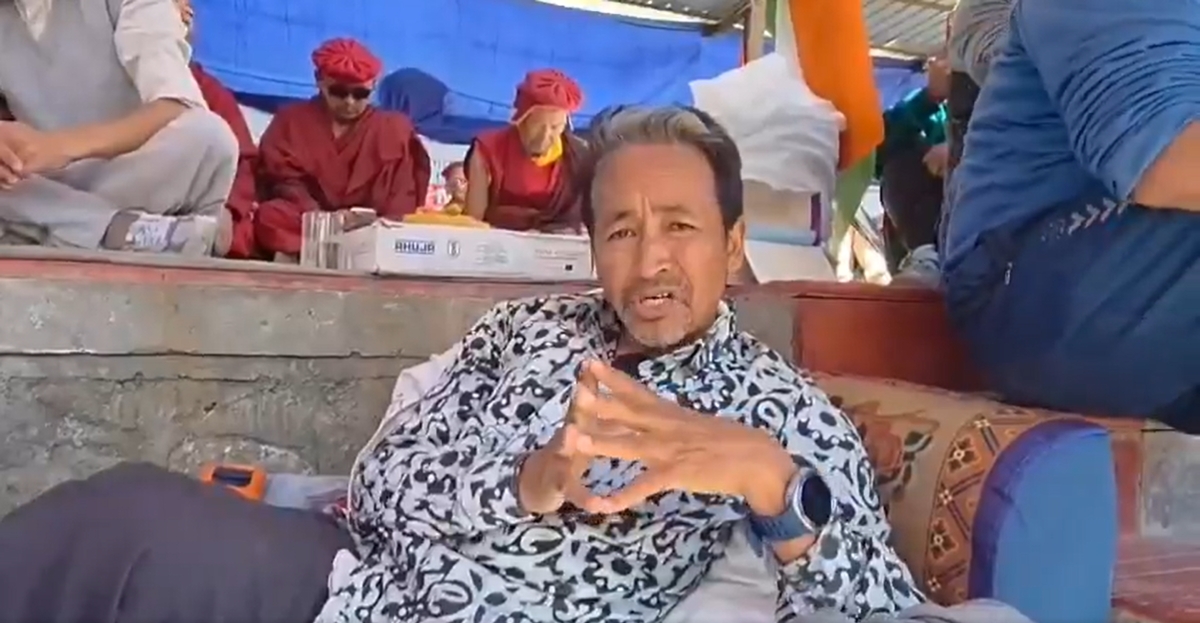
Sonam Wangchuk. (Screengrab)

Synopsis: Delhi HC allowed Sonam Wangchuk to be shifted to a hospital of his choice while resident doctors’ associations at Safdarjung Hospital, where he has been admitted, questioned the denial of Leave Against Medical Advice (LAMA) to the activist, calling it a matter of patient autonomy and constitutional rights.
The Delhi High Court on Tuesday, 21 July, allowed climate activist Sonam Wangchuk to be shifted to a private hospital of his choice, the Medanta Hospital, adding that the treatment will continue on the basis of his medical reports from the Safdarjung Hospital, reported LiveLaw.
The court was hearing a plea by Wangchuk’s wife Gitanjali Angmo challenging a single bench order refusing to allow him to be shifted to a private hospital of his choice.
Wangchuk has been undergoing treatment at the Safdarjung Hospital after being forcibly shifted there from the protest site in Jantar Mantar on Sunday,19 July, where he had been staging an indefinite hunger strike in solidarity with the protests demanding the resignation of Union Minister Dharmendra Pradhan over the NEET-UG paper leak.
The court direction came as resident doctors of the hospital raised concerns regarding reports that he was denied Leave Against Medical Advice (LAMA), calling it a violation of patient autonomy, constitutional rights, and medical ethics.
In a representation addressed to President Droupadi Murmu, the Resident Doctors’ Association (RDA) of Vardhman Mahavir Medical College (VMMC) and Safdarjung Hospital said reports suggesting Wangchuk was not allowed to avail LAMA, despite being a competent patient, warranted urgent scrutiny. The association also expressed concern over the extensive security arrangements inside the hospital, warning that public healthcare institutions must never be perceived as extensions of law enforcement.
The intervention by doctors from the hospital where Wangchuk is currently admitted comes a day after the Resident Doctors’ Association of AIIMS New Delhi issued a similar appeal seeking an independent inquiry into the events at Jantar Mantar and reiterating that informed consent and a patient’s right to discontinue treatment are fundamental ethical and legal principles of medical practice.
LAMA, or Leave Against Medical Advice, is a recognised medical and legal provision that allows a mentally competent patient to discontinue treatment and leave a hospital after being informed of the potential risks.
The Safdarjung RDA said that if reports of Wangchuk being denied Leave Against Medical Advice are accurate, it raised concerns extending well beyond an individual case.
“Reports indicating that Mr Sonam Wangchuk, despite being a competent patient, was not permitted to avail Leave Against Medical Advice (LAMA), if accurate, raise serious concerns regarding informed consent, personal liberty, and constitutional rights,” the association said in its letter.
The doctors stressed that hospitals exist to provide care, not to restrict liberty.
“Hospitals are institutions of healing and must not be perceived as places of detention except where such restriction is expressly authorised by law and carried out in accordance with due process.”
The association added that every competent patient must be afforded the rights guaranteed under law, while any restriction on personal liberty should remain “transparent, proportionate, and legally justified.”
The doctors also questioned the unprecedented security deployment inside Safdarjung Hospital following Wangchuk’s admission.
According to the representation, reports and publicly circulated visuals showed restricted access to parts of the hospital, sealed sections, deployment of large numbers of security personnel across multiple floors, and disruptions to routine hospital functioning.
“If such measures resulted in the disruption of patient care, impeded access to healthcare services, or created an environment in which a hospital appeared to function as an extension of law enforcement rather than a place of healing, the matter warrants independent examination,” the association warned.
The Safdarjung doctors cautioned against any perception that government hospitals were being used for objectives unrelated to healthcare.
“Government hospitals, healthcare personnel, and medical services must never be utilised in a manner that creates the perception that they are being used to facilitate non-medical objectives.”
They further said: “Any security or administrative arrangements must remain proportionate, minimally disruptive, and should never compromise patient care, hospital access, or the independent functioning of healthcare professionals.”
The association also underlined the need to preserve the independence of hospital administrations.
“Hospital administrations must remain independent custodians of medical ethics and patient welfare. Any perceived alignment with non-mededical or political interests undermines public trust, professional autonomy, and the credibility of public institutions.”
According to the doctors, the developments have triggered widespread anxiety among resident doctors.
“Unless addressed with transparency, accountability, and respect for constitutional principles, the situation is likely to escalate further, adversely impacting morale, healthcare delivery, and industrial harmony.”
The Resident Doctors’ Association of AIIMS New Delhi issued a separate appeal raising similar ethical concerns.
The association said reports suggesting Wangchuk was not permitted to leave despite expressing a desire to seek Leave Against Medical Advice raised important questions regarding patient autonomy.
“The principle of informed consent and a competent patient’s right to discontinue treatment are fundamental ethical and legal principles of medical practice,” the AIIMS RDA said, adding that any departure from these principles “should be subject to due legal process and transparent justification.”
The AIIMS doctors also expressed concern over the reported use of lathi charge, tear gas and physical force against students, doctors and peaceful protesters during demonstrations at Jantar Mantar. The association said any excessive use of force, if established, risked eroding public trust in democratic institutions.
The concerns were echoed by Dr Dhruv Chauhan, Spokesperson of the IMA Junior Doctors Network, who described LAMA as a basic patient right.
“Leave against medical advice (LAMA) is the basic right of a patient and their family to get treatment at their hospital of choice,” Chauhan wrote on social media.
“Sonam Wangchuk being denied that and forcefully made to stay in hospital and his wife made to go High Court for it shows the basic human rights violation happening openly in front of public,” he said, adding that constitutional values should be upheld consistently.
Also Read: CJP continues protest at Jantar Mantar; Abhijeet Dipke apologises to supporters beaten by police
In their representations, both resident doctors’ associations urged the President to order an independent and time-bound inquiry into the reported events at Jantar Mantar and the circumstances surrounding Wangchuk’s hospitalisation.
The Safdarjung RDA also sought an examination of whether the security arrangements inside the hospital affected patient care or compromised the institution’s independence.
Concluding its appeal, the association said its intervention was not political but rooted in medical ethics.
“Our appeal is not political. It is a call to uphold the rule of law, medical ethics, and the dignity of every patient, every healthcare professional, and every citizen.”
The association added that it remained hopeful the President’s intervention would reaffirm that hospitals across India “remain places of healing, dignity, compassion, and justice.”
(Edited by Fayisa CA)



