

Published Aug 10, 2026 | 7:00 AM ⚊ Updated Aug 10, 2026 | 7:00 AM

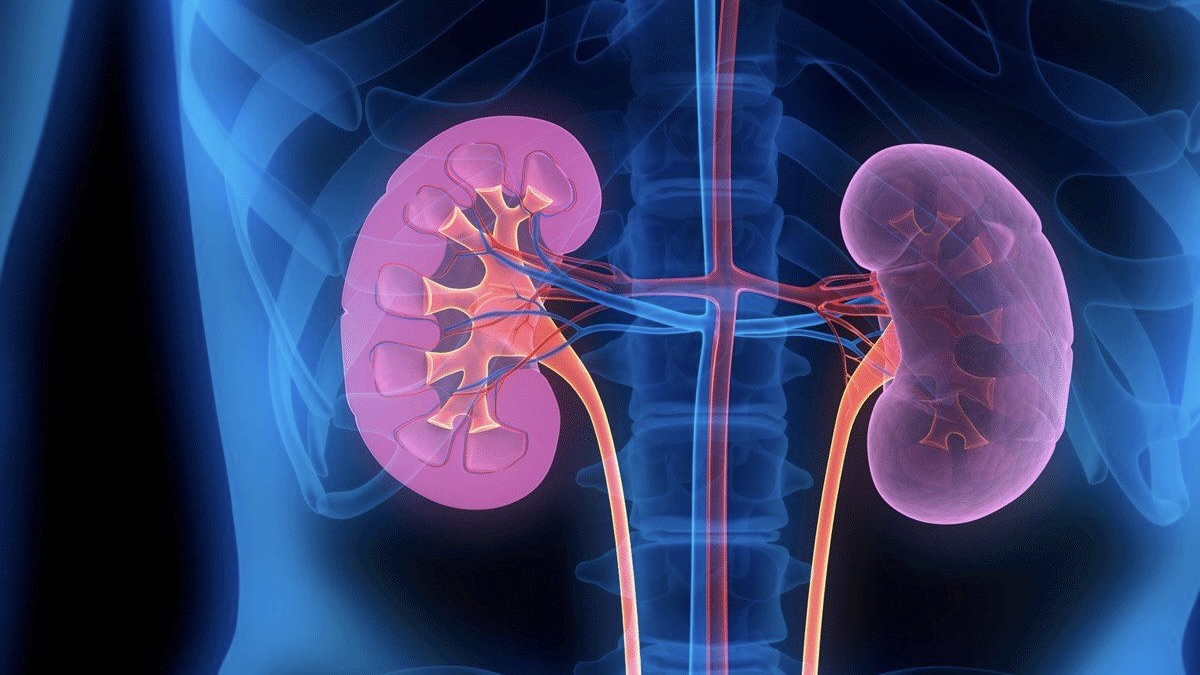
Prolonged occupational heat exposure and recurrent dehydration as emerging factors associated with chronic kidney disease. (Wikimedia Commons)

Synopsis: A 1°C rise in temperature may increase the risk of chronic kidney disease by about 8 percent in endemic regions, a parliamentary health panel has warned, highlighting the risks faced by farmers and other outdoor workers exposed to prolonged heat and repeated dehydration. It recommended regular screening of vulnerable workers, access to safe drinking water, shaded rest areas and scheduled breaks during peak heat, along with stronger research and surveillance of CKDu.
For crores of Indians who spend their working day under the sun, extreme heat may be doing more than causing exhaustion and dehydration. Repeated exposure to heat could also be putting their kidneys at risk.
The parliamentary panel on health has flagged rising temperatures, prolonged occupational heat exposure and recurrent dehydration as emerging factors associated with chronic kidney disease (CKD), particularly among agricultural workers and other people involved in physically demanding outdoor work.
Evidence cited by the Department-related Parliamentary Standing Committee on Health and Family Welfare indicates that every 1°C rise in temperature in endemic regions is associated with an approximately 8 percent increase in CKD risk. The report does not establish that rising temperatures alone cause kidney disease, but identifies heat as an important factor requiring further investigation.
The report states: “Chronic heat stress and recurrent dehydration among outdoor labourers have been identified as key drivers of CKD, with studies indicating that every 1°C rise in temperature in endemic regions is associated ely 8% increase in CKD risk.”
It further added: in addition, behavioural risk factors such as uncontrolled hypertension, alcohol consumption, and the unsupervised use of non-steroidal anti-inflammatory drugs (NSAIDs) or herbal remedies further amplify the disease burden among high-risk populations.
“Climate change and environmental degradation have emerged as important determinants influencing the burden of Chronic Kidney Disease, particularly CKDu, among vulnerable occupational groups.”
The concern is particularly focused on Chronic Kidney Disease of Unknown Etiology (CKDu), a form of kidney disease whose precise cause remains unclear.
The committee said CKDu represents approximately 16 percent of patients and predominantly affects younger, low-income agricultural workers. It also noted a high incidence of CKDu and chronic interstitial nephritis in rural communities.
The report identifies several environmental and occupational factors that researchers are investigating, including chronic occupational heat exposure, recurrent dehydration, exposure to organophosphate pesticides, contaminated surface water and heavy metals such as arsenic, chromium and cadmium.
This makes CKDu different from the kidney disease more commonly associated with diabetes and hypertension. Diabetic kidney disease accounts for nearly 31 percent of registry cases, while hypertensive nephrosclerosis accounts for another 13 percent.
The committee cited findings from the Heat Exposure and Environmental Action for Limiting the Burden of Chronic Kidney Disease of Undetermined Etiology (HEAL-CKDu) project in Andhra Pradesh, which examined occupational heat exposure among vulnerable workers.
The project found that occupational heat exposure was particularly high among agricultural workers, construction workers and brick-kiln workers. Workers exposed to prolonged heat stress experienced substantially more heat-related symptoms and showed an increased risk of reduced kidney function, according to evidence placed before the committee.
The findings are important because heat exposure for these workers is not necessarily a one-off event. Repeated physical work in high temperatures, accompanied by inadequate hydration and limited opportunities to rest, can create recurring heat stress.
The committee specifically identifies chronic heat stress and recurrent dehydration among outdoor labourers as potential drivers of CKD.
“Chronic heat stress and recurrent dehydration among outdoor labourers have been identified as key drivers of CKD.”
Also Read: 8 in 10 medicines sold in India are outside government price control, Parliament seeks policy review
The danger is also that CKD can progress without obvious symptoms in its early stages.
That makes occupational kidney damage particularly difficult to detect if workers do not undergo regular health checks. By the time kidney function has substantially deteriorated, treatment can become more complicated and may eventually require dialysis or transplantation.
The committee has therefore called for stronger surveillance and screening of vulnerable populations, particularly in areas where CKDu has been reported.
The report does not attribute CKDu solely to climate change or temperature.
Instead, it describes a combination of possible environmental and occupational exposures. Along with heat and dehydration, researchers are examining pesticides, unsafe water and heavy metals as potential contributors.
The committee said India’s research framework has not yet adequately identified the region-specific environmental, occupational, genetic and lifestyle factors responsible for CKDu. It also pointed to the absence of standardised national epidemiological studies and longitudinal surveillance.
That means the precise contribution of heat to kidney disease remains an area for further research.
But the committee does not want preventive action to wait until every link has been conclusively established.
“Preventive public health action should proceed alongside scientific research and should not be deferred until complete causal certainty is established.”
Also Read: Every year, India names its finest doctors. A decade of those lists tells a different story
The committee has recommended a National Framework for Prevention and Surveillance of CKDu, with strategies targeted at high-risk areas.
It wants vulnerable workers to receive periodic occupational health screening, while workplaces should provide access to safe drinking water, hydration facilities and measures to reduce heat exposure. It has also called for environmental monitoring and safer handling of agrochemicals.
For rural and agricultural communities, the committee specifically recommends frequent water intake, shaded rest areas and scheduled work breaks during peak summer hours.
The panel also wants health, labour, agriculture, water and environment authorities to coordinate their response because the potential causes of CKDu extend beyond the healthcare system.
The report’s concern adds another dimension to the health risks of rising temperatures.
The committee’s warning is not that every hot day causes kidney disease. Rather, it points to evidence that repeated occupational heat exposure and dehydration may contribute to kidney damage among vulnerable workers, while other environmental exposures may add to the risk.



