

Published Aug 06, 2026 | 10:36 AM ⚊ Updated Aug 06, 2026 | 10:36 AM

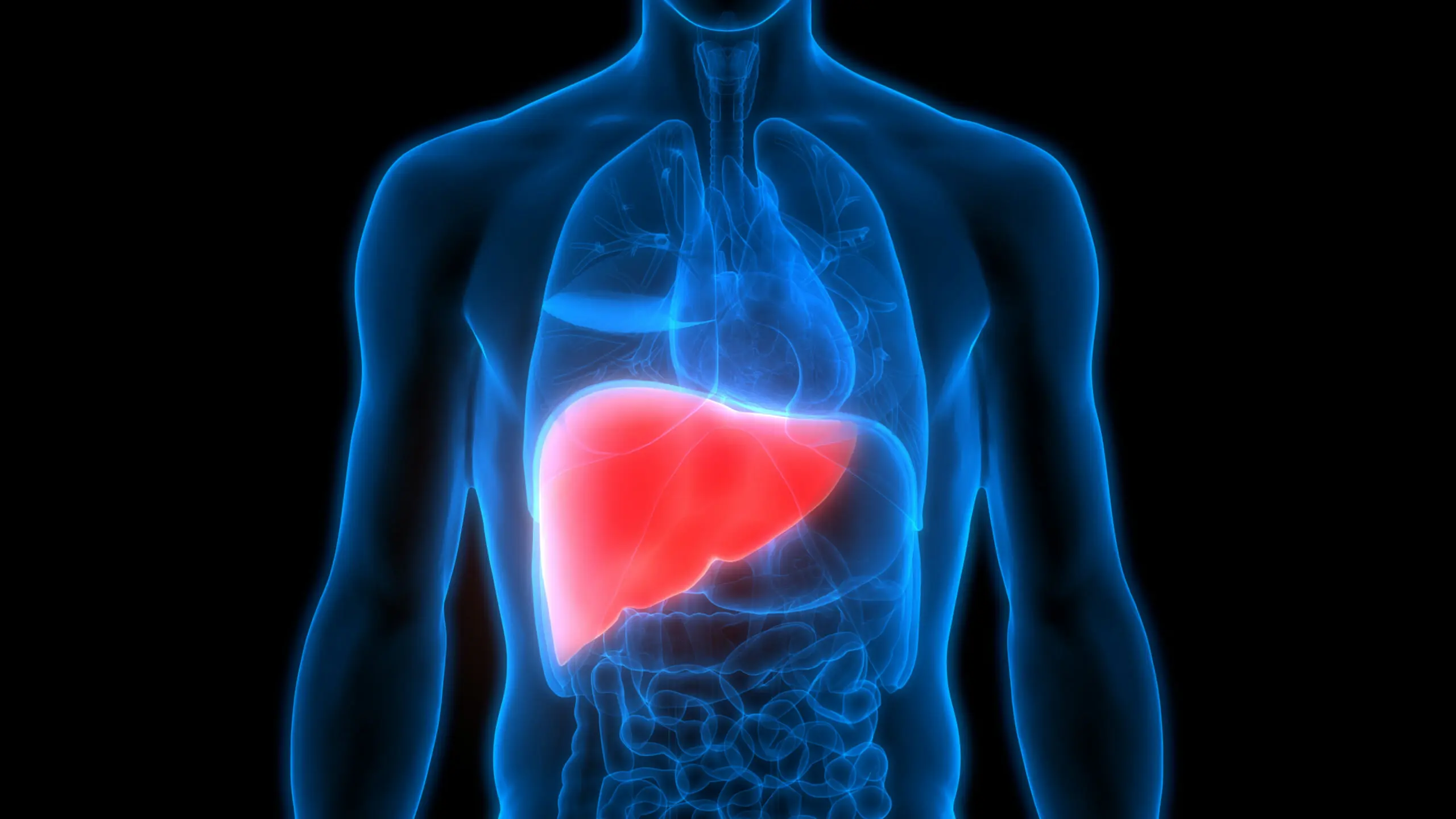

Synopsis: A growing number of Indians under 40 are being diagnosed with fatty liver disease, driven by sedentary lifestyles, obesity and diabetes, with many cases going unnoticed because routine blood tests often appear normal. As India approves semaglutide for selected patients with advanced fatty liver disease (MASH), doctors stress that early screening and lifestyle changes remain the cornerstone of treatment.
Sri Vidya (name changed), 36, a corporate employee at Manyata Tech Park in Bengaluru, underwent a routine preventive health check organised by her company in June 2025, expecting nothing unusual. An ultrasound, however, revealed fatty liver disease. With no symptoms and largely normal blood tests, she did not pursue further treatment.
A year later, after developing persistent nausea and vomiting, she was admitted to hospital, where further evaluation showed the disease had progressed to Grade 2 fatty liver—meaning fat had accumulated in roughly one-third to two-thirds of her liver, increasing the risk of inflammation and early scarring.
Her story mirrors a growing trend doctors across Bengaluru are witnessing.
Fatty liver disease –Metabolic Dysfunction-Associated Steatotic Liver Disease (MASLD)– is increasingly being diagnosed in people in their 20s and 30s, fuelled by rising obesity, diabetes, unhealthy diets and sedentary lifestyles. “We are seeing a major shift in our clinics. Fatty liver disease, which we once diagnosed mainly in older adults, is now common among patients in their 20s and 30s,” said Dr. Sudeep P. Manohar, Endocrinologist at Apollo Hospitals, Jayanagar.
A nationwide CSIR-led study published in The Lancet Regional Health Southeast Asia found that metabolic dysfunction-associated steatotic liver disease (MASLD) affects 40.6% of Indians, with Bengaluru reporting a prevalence of 51.1%.
The burden appears even higher among technology workers. A University of Hyderabad and Asian Institute of Gastroenterology study of 345 Hyderabad IT employees found that 84.06% had fatty liver disease, linking the condition to prolonged sitting, obesity, poor sleep, stress, shift work, and unhealthy dietary habits. ospitals,
Data from Apollo Hospitals’ Health of the Nation Report 2026, based on 5.8 lakh health assessments across India, underscores the scale of the problem. The report found that 49,032 people had ultrasound-confirmed fatty liver, while nearly 74% had normal liver enzyme levels — suggesting that routine blood tests alone can miss the disease. That gap is exactly what makes fatty liver dangerous, doctors say.
“The liver does not have pain receptors for fat accumulation. Most patients have no symptoms and are diagnosed only during a routine ultrasound or preventive health check-up. If left untreated, the condition can progress to liver inflammation, cirrhosis and also increase the risk of cardiovascular disease,” Dr Manohar said.
Also Read: Kerala, TN remain India’s leptospirosis hotspots, South accounts for over half of cases
According to Dr Manohar, changing lifestyles are the main culprit.
“Highly processed foods, sugary drinks, irregular sleep, chronic stress and sedentary routines have created a perfect storm for metabolic disorders. In people with obesity, prediabetes or Type 2 diabetes, excess energy gets stored as fat inside the liver,” he said. But doctors caution that fatty liver isn’t confined to overweight individuals.
“You do not have to be obese to develop a fatty liver,” Dr. Manohar said. “We are increasingly seeing patients with ‘lean fatty liver’ — people with a normal BMI but excess abdominal fat, genetic predisposition or underlying insulin resistance.”
Dr. Mahesh Gopasetty, Additional Director, Liver Transplant, Fortis Hospital, Bannerghatta Road, said this is particularly relevant in Asian populations. “The number of patients with lean MASLD is increasing. Even people with a normal BMI can have significant liver fat and, in some cases, advanced fibrosis. These patients need the same structured assessment as anyone else,” he said.
He also stressed that normal liver function tests do not rule out fatty liver. “Many patients have completely normal liver enzymes despite significant liver disease. We identify high-risk individuals and use ultrasound to detect fatty liver. If there is concern about liver damage, we perform FibroScan or other non-invasive fibrosis assessments,” he said.
Both specialists emphasised that lifestyle modification remains the cornerstone of treatment. “Healthy eating, regular exercise and sustained weight loss can reduce liver fat and even reverse early disease,” Dr. Gopasetty said.
Dr. Manohar added that losing 7–10% of body weight can significantly reduce liver fat and inflammation.
For patients with more advanced disease, there’s now a new option. India’s drug regulator, the Central Drugs Standard Control Organisation (CDSCO), recently approved a new use for Wegovy (semaglutide injection, 2.4 mg) — already sold in India as a weight-loss drug — to treat non-cirrhotic MASH (a more serious form of fatty liver disease) in adults with moderate to advanced liver scarring, alongside diet and exercise. Novo Nordisk India, which makes the drug, says roughly two in three Indians have some form of fatty liver disease.
Dr Manohar explained that semaglutide improves insulin resistance, promotes weight loss, and may also have direct anti-inflammatory effects on the liver. But he and Dr Gopasetty were clear that it isn’t meant for everyone with fatty liver. ”
Before prescribing semaglutide, we assess the stage of liver disease using blood-based fibrosis scores, imaging and the patient’s overall metabolic profile,” Dr. Gopasetty said. “Our responsibility is to prescribe it to patients who genuinely need it because of obesity, diabetes or advanced liver disease. It is not a shortcut for cosmetic weight loss. Lifestyle changes remain the foundation of treatment, and medication works best when combined with those changes,” Dr. Manohar said.
Sri Vidya is now under treatment and recovering. Her case is one among many that reflects the growing burden of fatty liver disease among young working professionals leading sedentary lifestyles.
(Edited by Fayisa CA)



