

Published Sep 18, 2026 | 7:00 AM ⚊ Updated Sep 18, 2026 | 7:00 AM

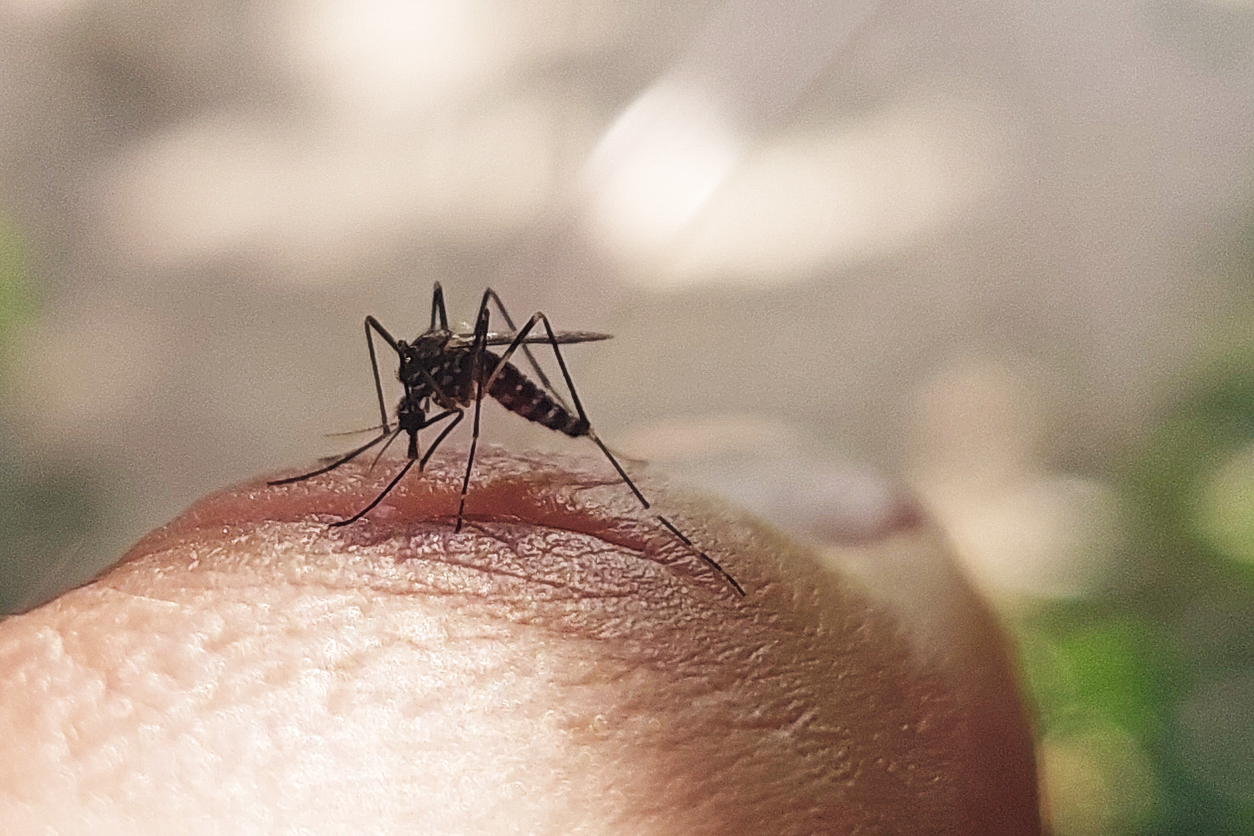
Asian Tiger Mosquito, one of the most dangerous invasive species, is known for being a primary vector for diseases such as dengue and chikungunya. Credit: iStock

Synopsis: India recorded 2,340 dengue deaths in 2024 through medically certified causes of death, while health ministry surveillance data counted just 297. The 688% gap spans several states, with Karnataka, Andhra Pradesh, Telangana and Rajasthan showing stark differences. The mismatch raises questions about how India’s health systems capture dengue deaths.
India is caught in a peculiar and confusing situation with two government institutions presenting vastly differing data on dengue deaths in 2024.
The Registrar General of India recorded 2,340 dengue deaths nationwide, while the National Centre for Vector Borne Diseases Control (NCVBDC), under the Union Health Ministry, counted 297 deaths.
The difference of 2,043 deaths—nearly 688% higher than NCVBDC surveillance data—is not negligible. And it has an explanation.
The Registrar General’s Report on Medical Certification of Cause of Death 2024, released on 16 July, recorded deaths based on medically certified causes. NCVBDC’s figures came from its disease surveillance system, which tracked reported dengue cases and deaths.
The certification data recorded 1,313 male and 1,027 female dengue deaths nationally in 2024. NCVBDC, meanwhile, recorded 2,33,519 dengue cases and 297 deaths, giving a case fatality rate of 0.13%.
If you divided the 2,340 certified deaths by the same 2,33,519 reported cases, the resulting rate would be about 1%. But the calculation is illustrative rather than a direct alternative case fatality rate (CFR — number of deaths ÷ total number of cases x 100), because the two datasets do not necessarily cover the same cases and deaths.
Also Read: A guide to navigate through the viral disease
The difference was not confined to one part of the country. Several states recorded substantially more dengue deaths through medical certification than through NCVBDC surveillance.
Karnataka recorded 32,886 dengue cases and 27 deaths in NCVBDC’s surveillance data. The Registrar General’s records, however, listed 259 dengue deaths, including 136 male and 123 female deaths.
Tamil Nadu showed a similar gap. NCVBDC recorded 27,378 cases and 13 deaths, while medical certification recorded 81 deaths, six times more than the surveillance figure.
In Andhra Pradesh, the difference was even wider in percentage terms. NCVBDC recorded 5,555 cases and two deaths, compared with 60 certified dengue deaths. That was 30 times as many deaths in the certification data.
Telangana recorded 10,077 dengue cases but no deaths in the NCVBDC data. Medical certification, however, recorded 47 dengue deaths.
Puducherry showed the same pattern, with 2,128 reported cases and no deaths in NCVBDC data versus five certified deaths.
Together, Karnataka, Keralam, Tamil Nadu, Telangana, Andhra Pradesh and Puducherry accounted for 503 certified dengue deaths, or 21.5% of India’s certified total. NCVBDC recorded 170 deaths across the same six regions.
Also Read: South India dominates India’s dengue burden
The pattern was not uniform.
Keralam was an exception among the southern states. NCVBDC recorded 20,674 dengue cases and 128 deaths in the state, giving it a case fatality rate of 0.62%, the highest among the states in the surveillance dataset. The Registrar General recorded 51 certified dengue deaths, which included 30 males and 21 females.
In the North East, Manipur also showed the reverse pattern, although the difference was smaller. NCVBDC recorded five deaths from 2,463 cases, while medical certification recorded three.
Keralam and Manipur were the only two states where the NCVBDC death count for 2024 exceeded the number recorded through medical certification.
This contrast mattered because it showed the discrepancy did not operate uniformly across states. In most states, certification recorded more deaths than surveillance. Keralam and Manipur showed the opposite.
Also Read: South India has no single dengue season
Rajasthan recorded the largest percentage difference between the two datasets.
NCVBDC recorded 12,514 dengue cases and five deaths in Rajasthan. Medical certification recorded 165 deaths. The certified figure was 3,200% higher than the surveillance count.
Gujarat recorded 7,891 cases and six deaths in NCVBDC data, compared with 179 certified deaths. Uttar Pradesh recorded 15,868 cases and nine deaths, against 265 certified deaths.
Delhi recorded 10,585 cases and 11 deaths through surveillance, while medical certification recorded 230 dengue deaths.
Several other states showed the same pattern, with surveillance data recording relatively fewer deaths while medical certification recorded dozens or hundreds.
Five states accounted for 60% of certified dengue deaths. The certified mortality was also heavily concentrated.
Maharashtra recorded the highest number of certified dengue deaths in 2024, with 484, accounting for about 21% of the national total. Uttar Pradesh followed with 265, Karnataka with 259, Delhi with 230 and Rajasthan with 165.
Together, these five states accounted for 1,403 certified dengue deaths, or about 60% of India’s total. Their combined NCVBDC figure, however, was only 92 deaths.
Maharashtra clearly illustrated the scale of the mismatch. NCVBDC recorded 19,385 dengue cases and 40 deaths in the state, while the Registrar General recorded 484 deaths.
The discrepancy meant that the two datasets presented different pictures of where dengue mortality was concentrated in 2024.
Also Read: Dengue strikes one in three fever patients in South India
The Registrar General’s data also provided a gender breakdown, which the NCVBDC surveillance figures did not include.
Of the 2,340 certified dengue deaths, 1,313 were male, and 1,027 were female. Men accounted for about 56% of the certified deaths and women for 44%.
Karnataka recorded 136 male and 123 female deaths. Keralam recorded 30 male and 21 female deaths.
In Tamil Nadu, the figures were almost evenly split: 40 male and 41 female deaths.
Delhi and Odisha showed the reverse of the national pattern. Delhi recorded 120 female and 110 male deaths, while Odisha recorded 33 female and 27 male deaths.
These differences described the distribution of certified deaths, but the data alone cannot establish why the gender pattern differed between states.
Also Read: Government records show 571% more dengue deaths than Health Ministry data
The two datasets produced substantially different estimates of dengue mortality in India.
NCVBDC’s 297 deaths among 2,33,519 reported cases produced a CFR of 0.13%. Using the Registrar General’s 2,340 certified deaths against the same case denominator presented a rate of about 1%.
That eightfold difference shows how much the estimated mortality burden changes depending on which administrative dataset is used.
But the figures should not be treated as interchangeable. NCVBDC’s surveillance system and the Registrar General’s medical certification system serve different purposes and may use different pathways to capture cases and deaths.
The Registrar General’s system records medically certified causes of death through India’s civil registration framework. NCVBDC, meanwhile, operates a disease surveillance system focused specifically on vector-borne diseases.
A death can therefore appear in one system without necessarily appearing in the other. The existence of a dengue diagnosis on a death certificate does not by itself demonstrate that the death was also entered into NCVBDC’s surveillance database.
(Edited by Majnu Babu).



