

Published Jun 06, 2026 | 11:00 AM ⚊ Updated Jun 06, 2026 | 11:00 AM

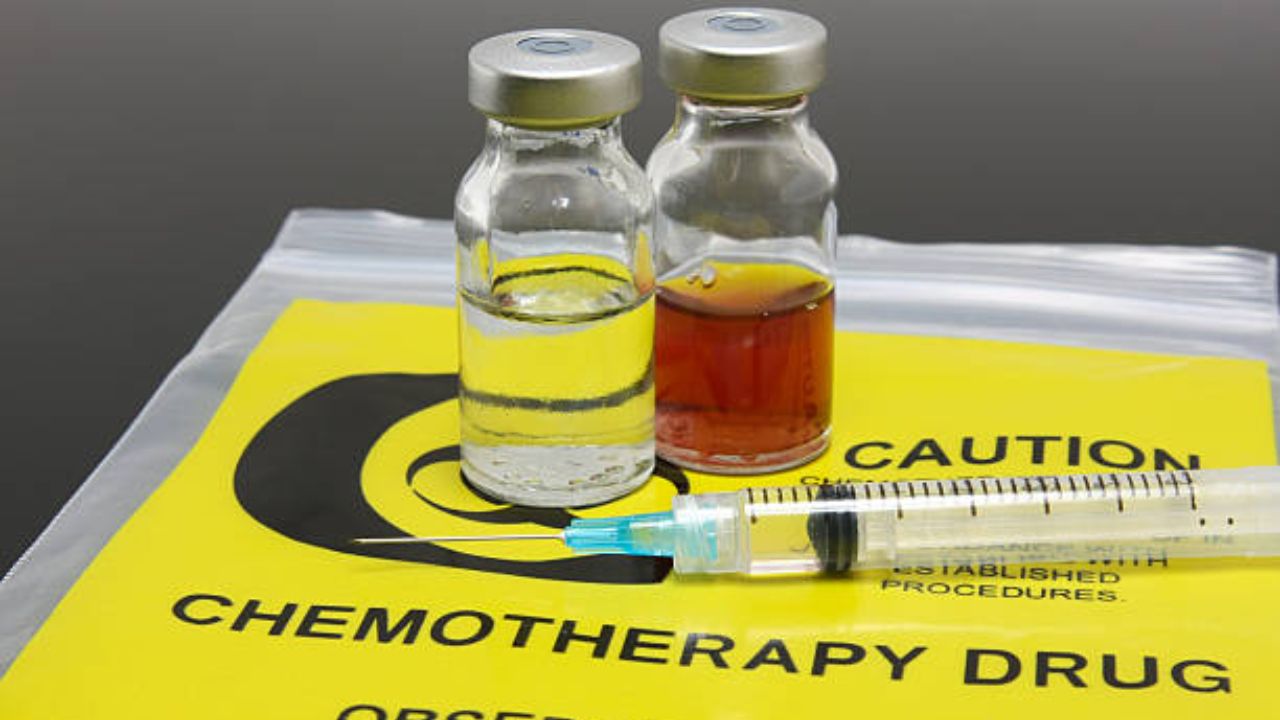
Chemotherapy drugs. (iStock)

Synopsis: Owing to the West Asia crisis, supply shortages have driven up platinum prices, leading to a shortage of commonly used chemotherapy drugs. Oncologists have sought urgent intervention from regulators and pharmaceutical companies to address the supply chain issues. Manufacturers, meanwhile, said the sharp rise in platinum prices has made it difficult to sustain production under the current price caps.
A shortage of commonly used chemotherapy drugs has begun affecting cancer treatment schedules across India, with oncologists warning that any delay in administering these medicines could impact outcomes, especially for patients on curative treatment.
Oncologists South First spoke to also agreed that some hospitals in Bengaluru are also seeing a shortage of these drugs. They sought urgent intervention by regulators and pharmaceutical companies to resolve supply chain issues.
Also Read: NFHS-6 factsheet drops anaemia, cancer, HIV indicators
The shortage is being reported due to supply chain and manufacturing disruptions, mainly in platinum-based chemotherapy drugs such as cisplatin, carboplatin and oxaliplatin — medicines that form the backbone of treatment for several cancers, including head and neck, ovarian, lung, gastrointestinal, cervical and breast cancers.
Hospitals, including major private cancer centres, have flagged disruptions in the availability of cisplatin and carboplatin, forcing some patients and families to search for the drugs outside hospital pharmacies.
Doctors have warned that the shortage, if prolonged, could affect treatment cycles and patient outcomes.
Speaking to South First, Dr Narayana Subramaniam, Head & Neck Surgery and Oncology, Aster Hospitals in Bengaluru, said, “Cisplatin and carboplatin, critical anti-cancer medications, are facing severe shortages across India due to manufacturing and supply chain disruptions.”
He explained that these drugs are among the most effective treatments for multiple cancer types with limited alternatives, and that the shortage poses a serious threat to patient care.
According to sources, the problem is not entirely sudden. In April, drug manufacturers had reportedly approached the National Pharmaceutical Pricing Authority (NPPA) seeking a near-50 percent hike in ceiling prices of carboplatin, cisplatin and oxaliplatin, citing a sharp rise in platinum prices and growing difficulty in sustaining production under current price caps.
Platinum is a key raw material in these chemotherapy drugs. Industry reports have pointed out that while raw material costs have surged, many of these drugs continue to remain under the government price ceiling to keep them affordable for patients. Manufacturers have claimed that this mismatch has made production commercially unviable.
The disruption was attributed to reduced availability of active pharmaceutical ingredients, geopolitical tensions in West Asia and rising manufacturing costs.
Also Read: Telangana treated one lakh cancer patients in five years; six in ten were women
Explaining the issue in detail, a senior oncologist from Kidwai Cancer Hospital in Bengaluru stated that several other cities and some private hospitals in Bengaluru are also seeing this shortage.
However, at Kidwai Hospital, the stocks are currently in good numbers, and there is no shortage, he said. However, once the stock depletes, we are not sure if the industries will be able to provide it, he explained.
“Cancer treatment works on strict cycles. If a patient is scheduled to receive chemotherapy every two or three weeks, repeated delays can affect the treatment plan,” the oncologist said, explaining why even a short supply disruption can create anxiety for patients.
Doctors explained that carboplatin is widely used against ovarian, lung, head and neck and breast cancers, while cisplatin is often used along with radiotherapy against several solid tumours. Oxaliplatin is commonly used against gastrointestinal cancers.
Patients are worried about whether this shortage will continue, with their immediate fear being whether the next chemotherapy cycle will be performed on time or not.
There are also questions about the availability of medicines and whether they will be asked to shell out more money for alternative medicine, and if that will affect their chances of recovery.
Cancer treatment is already a major financial burden for indian families. A 2026 Lancet Regional Health Southeast Asia paper noted that medicines account for more than 60 percent of out-of-pocket expenditure in cancer care in India. Hence, doctors are calling for stronger strategic purchasing and supply chain reform.
Meanwhile, oncologists said that the chemotherapy is given in planned cycles. While a delay of a few days may be managed in some cases, repeated postponement or substitution can disturb treatment plans, especially where chemotherapy is being given with curative intent.
A senior oncologist said that there is no universal replacement for cisplatin or carboplatin.
The alternate regimen or modifying the existing regimen depends on the type of cancer, stage of disease, treatment intent, patient’s kidney function, age, toxicity profile and whether treatment is curative or palliative.
However, Dr Subramanaim noted that these drugs are among the most effective treatments for multiple cancer types with limited alternatives, so the shortage poses a serious threat to patient care.
“Urgent action is needed. Regulators and pharmaceutical companies must collaborate to resolve this immediately and ensure patients with cancer have uninterrupted access to these life-saving medications,” he said.
(Edited by Muhammed Fazil.)



