

Published May 19, 2026 | 10:52 AM ⚊ Updated May 19, 2026 | 10:52 AM

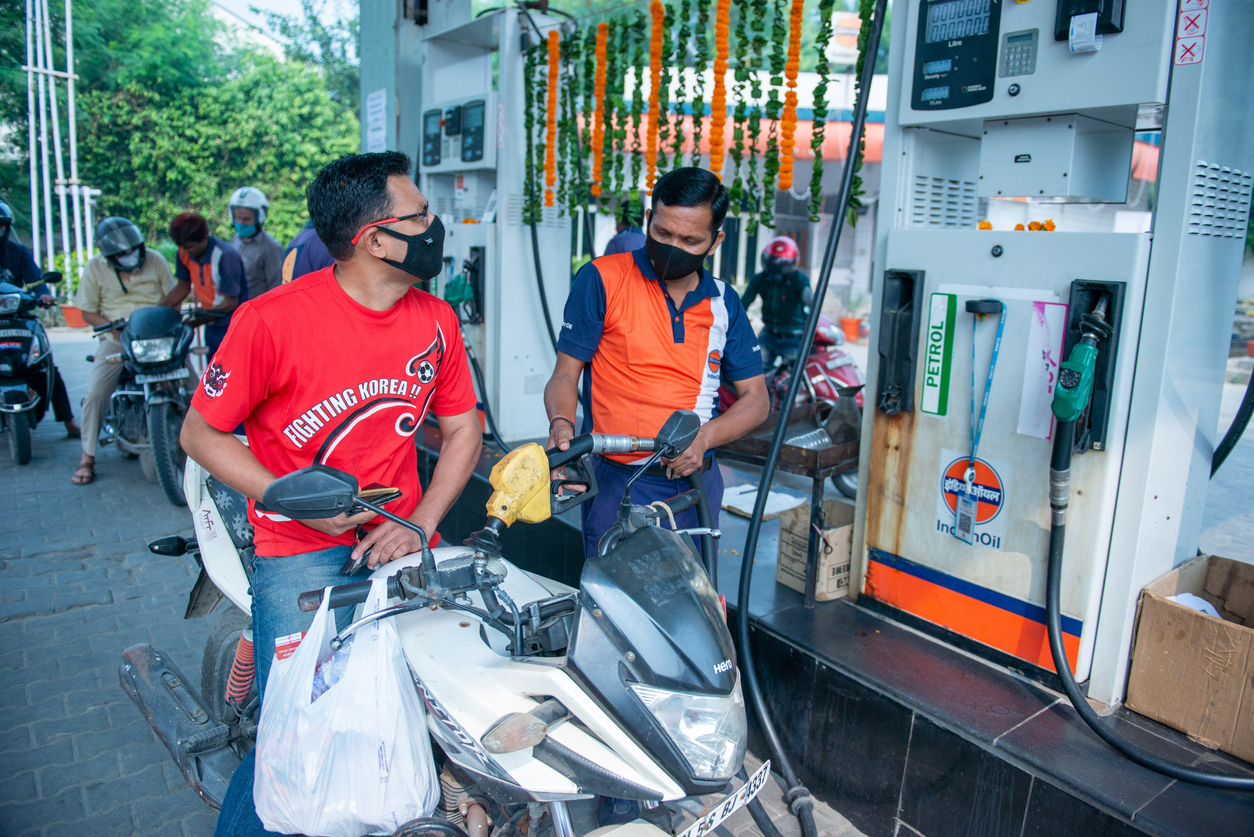
Representational image. Credit: iStock

Synopsis: Fuel prices in India rose for the second time in a week, with petrol in Delhi at ₹98.64/litre and diesel at ₹91.58. Rates in Mumbai, Bengaluru, and Hyderabad are higher, with Hyderabad and Thiruvananthapuram topping the charts above ₹111/litre. OMCs cite global crude volatility and heavy losses, while consumers brace for inflationary ripple effects.
Fuel prices across India have been raised for the second time in just one week, intensifying concerns over inflation and household budgets.
Oil Marketing Companies (OMCs) announced the revision early Tuesday, 19 May, citing global crude volatility and mounting under-recoveries.
Petrol in New Delhi now costs ₹98.64/litre, while diesel stands at ₹91.58. Prices in Mumbai have surged to ₹109.70 for petrol and ₹93.14 for diesel. Hyderabad and Thiruvananthapuram recorded the steepest rates nationwide, with petrol crossing ₹111/litre and diesel touching ₹100.59.
In Bengaluru, petrol is priced at ₹107.14 and diesel at ₹95.04, placing the city among the higher brackets nationally. Chandigarh remains the least expensive major city, with petrol at ₹98.10 and diesel at ₹86.09.
Also Read: An unequal burden: Why the latest fuel price increase is unfair to consumers
Global crude surge: Escalating tensions in West Asia and the expiry of Russian oil waivers have disrupted supply chains.
OMC losses: Despite the hikes, companies continue to face daily under-recoveries of around ₹750 crore.
Inflationary ripple: Transport and logistics costs are expected to rise, potentially pushing food and commodity prices upward.
The back-to-back hikes — ₹3/litre on 15 May followed by nearly ₹0.90/litre today — are likely to strain household budgets and increase commuting costs. Analysts warn that sustained high fuel prices could feed into broader inflation, though OMCs argue the revisions are necessary to offset mounting losses.
Fuel prices are revised daily at 6 AM, and further changes remain possible depending on crude trends and currency fluctuations. Economists suggest that unless global oil stabilises, Indian consumers may need to brace for continued volatility at the pump.



