

Published Oct 08, 2026 | 8:08 AM ⚊ Updated Oct 08, 2026 | 8:08 AM

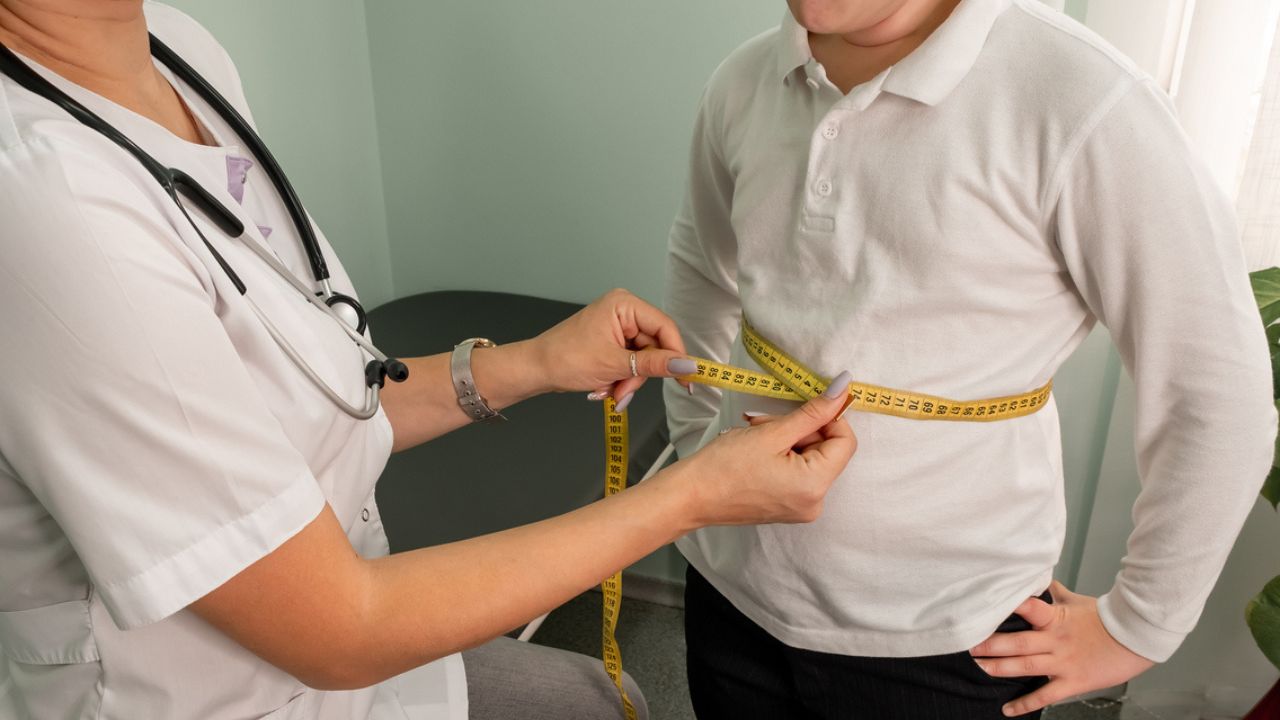
Representative image. Credit: iStock

Synopsis: WHO has issued its first global guidelines on childhood and adolescent obesity, advising against weight-loss medicines and bariatric surgery for children under 10. For adolescents, medicines may be considered after supervised lifestyle interventions fail, while surgery is reserved for severe obesity. The guidelines stress nutrition, physical activity, behaviour change and mental health.
The World Health Organization (WHO) has issued its first global guidelines on obesity among children and adolescents, recommending structured diet, physical activity and behavioural interventions while drawing clear limits around the use of medicines and bariatric surgery in younger children.
The guidelines come as childhood and adolescent obesity has increased sharply worldwide.
In 2024, an estimated 170 million children and adolescents aged 5–19 years were living with obesity, including 70 million children aged 5–9 and 100 million adolescents aged 10–19.
The prevalence of obesity in this age group has quadrupled since 1990, rising from 2 percent to 8 percent, according to WHO.
Overall, around 400 million children and adolescents aged 5–19 were overweight in 2024, including those living with obesity.
WHO describes obesity as a chronic, relapsing disease that can begin affecting health early in life.
Children and adolescents living with obesity face increased risks of noncommunicable diseases, including type 2 diabetes and cardiovascular disease, while also being vulnerable to stigma, discrimination and bullying.
Also Read: Keralam’s cardiologists face a bigger question as CM questions ‘unnecessary’ angioplasty
One of the clearest recommendations in the new guidelines concerns younger children.
WHO does not recommend pharmacological treatment, bariatric surgery or weight-loss devices for children aged 0–9 years.
For adolescents aged 10–19 years, however, the approach is different. WHO says treatment with approved medicines may be considered when a supervised multimodal lifestyle programme has not achieved the desired results.
Bariatric surgery may also be considered for adolescents with severe obesity, but only under strict conditions.
The guidelines therefore place lifestyle-based interventions at the centre of childhood obesity management rather than treating weight-loss medicines or surgery as the first-line approach.
“The foundation of obesity care for children and adolescents is not medicine or surgery, but access to comprehensive support that enables healthy eating, physical activity and sustainable behaviour change,” said Dr Luz María De Regil, Director of the Department of Nutrition and Food Safety at WHO.
“Our priority must be to ensure that every child and adolescent can access quality care and supportive environments from an early age, helping them achieve and maintain a healthy weight and laying the foundation for lifelong health and well-being.”
Also Read: Telangana SHRC intervenes after woman’s family alleges wrong-eye surgery at Sircilla hospital
For children and adolescents living with obesity, WHO strongly recommends structured interventions combining dietary changes, physical activity and behaviour change.
These can be delivered individually or through multimodal programmes that bring together different forms of support.
WHO also conditionally recommends digital health interventions, but says these should be provided with supervision from parents or caregivers.
The emphasis is on improving health, functioning and well-being rather than focusing solely on reducing body weight.
WHO said obesity management should be person-centred, age-appropriate and responsive to the needs of children and their families. It also called for long-term follow-up and continuity of care.
Also Read: South divide on early matrimony: From 40% child marriage in AP to 20% teen motherhood in Telangana
The scale of the increase has prompted WHO to treat childhood obesity as a major global public health challenge.
In 1990, around 31 million children and adolescents aged 5–19 years were living with obesity. By 2024, that figure had reached 170 million.
During the same period, the prevalence of overweight, including obesity, among 5–19-year-olds rose from 8 percent to 20 percent. In 2024, 19 percent of girls and 21 percent of boys in this age group were overweight.
WHO said obesity is increasingly affecting low- and middle-income countries and rural populations, challenging the earlier perception that it was primarily an urban or high-income country problem.
The organisation attributes the increase to complex interactions between biological, environmental, social and behavioural factors.
Access to healthy and affordable food, opportunities for physical activity, changing diets and broader commercial and social environments all influence the risk of unhealthy weight gain.
Also Read: The children we saved: India’s unfinished promise to its cerebral palsy generation
WHO has also stressed that treating childhood obesity cannot be separated from mental health.
Children and adolescents living with obesity can experience stigma and bullying, while anxiety, depression, low self-esteem and emotional dysregulation may contribute to unhealthy eating, physical inactivity and social withdrawal.
Health workers should therefore identify and address obesity and mental health conditions early and together, using inclusive and developmentally appropriate approaches that involve families.
Also Read: Exposure to 5G radiofrequency signals cuts sperm count and motility in rats, study finds
The new guidelines also make clear that treating children who already have obesity is only one part of the response.
WHO said treatment alone cannot reverse the global rise in obesity and called for policies that make healthy diets and physical activity more accessible and affordable.
This includes measures across food systems, education, urban planning, transport and social protection.
At an individual level, WHO recommends healthy eating, regular physical activity, adequate sleep and emotional well-being throughout childhood and adolescence.
It also advises limiting sedentary behaviour and screen time, as well as sugar-sweetened beverages and energy-dense, nutrient-poor foods.
WHO said health practitioners should routinely assess weight status, identify obesity early, screen for related complications and provide or refer children for comprehensive care.
The organisation also called on governments to create environments where healthier food and regular physical activity become easier and more affordable choices.
(Edited by Dese Gowda)



