

Published Oct 10, 2026 | 7:00 AM ⚊ Updated Oct 10, 2026 | 7:00 AM

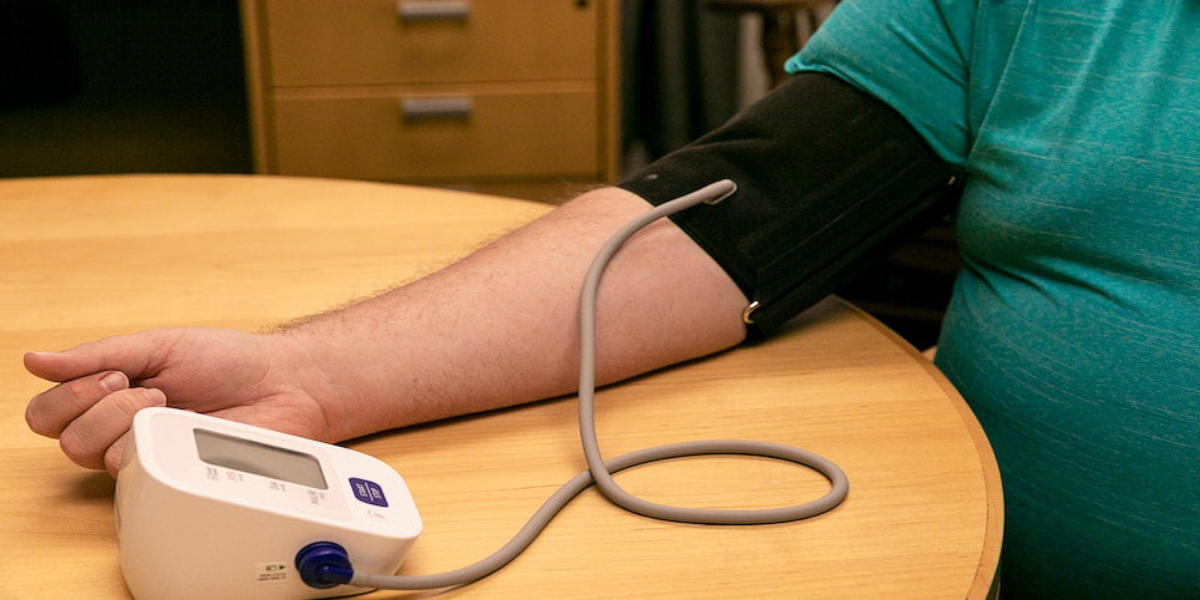
Some 31.9 percent of women aged 15 years and above in Keralam either had elevated blood pressure or were taking medication for it

Synopsis: Keralam has the highest prevalence of elevated blood pressure in South India, affecting 31.9 percent of women and 36.6 percent of men, according to NFHS-6. Karnataka follows, while Telangana, Tamil Nadu and Andhra Pradesh have lower state-level rates.
For a young adult in Hyderabad, high blood pressure can still feel like a problem that belongs to middle age.
A recent study among college students in the city, however, offered a different warning: cardiovascular risk may be taking shape much earlier, with frequent consumption of high-fat and high-salt ultra-processed foods linked to higher odds of elevated blood pressure.
The study, which examined students aged 18 to 24 years in Hyderabad, found that 12.5 percent had high blood pressure. Students consuming high-fat and/or high-salt ultra-processed foods at or above the median intake had 2.85 times higher odds of elevated blood pressure after adjusting for age, sex and socioeconomic factors.
The study does not establish that these foods caused high blood pressure. But it adds to a growing concern about cardiovascular risk appearing earlier in life, even among young people who may not consider themselves vulnerable.
The latest National Family Health Survey-6 (NFHS-6), covering 2023-24, shows how widespread the problem is among Indians aged 15 years and above.
Nationally, 19.4 percent of women and 22.1 percent of men either had elevated blood pressure or were taking medication to control it. The southern states, however, show a strikingly different picture from the national average.
Also Read: South divide on early matrimony: From 40% child marriage in AP to 20% teen motherhood in Telangana
Keralam records the highest prevalence among the major southern states for both women and men.
According to NFHS-6, 31.9 percent of women aged 15 years and above in Keralam either had elevated blood pressure or were taking medication for it. Among men, the figure was even higher at 36.6 percent.
That means roughly one in three women and more than one in three men in the state’s surveyed adult population fall into the NFHS-6 hypertension indicator.
The numbers have also increased from NFHS-5. Among women, the figure rose from 30.9 percent to 31.9 percent, while among men it increased from 32.8 percent to 36.6 percent.
Keralam’s position becomes even more pronounced when the severity of high blood pressure is considered. The NFHS-6 data show that 13.8 percent of women had mildly elevated blood pressure and another 6.4 percent had moderately or severely elevated blood pressure. Among men, the corresponding figures were 18.1 percent and 5.1 percent.
Also Read: Keralam’s cardiologists face a bigger question as CM questions ‘unnecessary’ angioplasty
Karnataka follows Keralam among the major southern states, with 25.1 percent of women and 28.2 percent of men covered by the NFHS-6 elevated blood pressure indicator.
For Karnataka, the change from NFHS-5 is relatively small for women, from 25.0 percent to 25.1 percent. Among men, however, it increased from 26.9 percent to 28.2 percent.
Telangana and Tamil Nadu both recorded 24.2 percent among women and 28.2 percent among men.
But unlike Keralam and Karnataka, both states recorded declines compared with NFHS-5.
In Telangana, the proportion among women fell from 26.1 percent to 24.2 percent, while among men it dropped from 31.4 percent to 28.2 percent.
Tamil Nadu recorded a smaller decline among women, from 24.8 percent to 24.2 percent, while the male figure fell from 30.2 percent to 28.2 percent.
Andhra Pradesh also saw a decline. The proportion was 24.1 percent among women and 26.0 percent among men, compared with 25.3 percent and 29.0 percent, respectively, in NFHS-5.
Also Read: Telangana SHRC intervenes after woman’s family alleges wrong-eye surgery at Sircilla hospital
The state-level numbers also hide considerable variation between districts.
Hyderabad, for instance, records 27.1 percent among women and 30.7 percent among men, both higher than Telangana’s overall figures of 24.2 percent and 28.2 percent.
The city’s figures have nevertheless fallen considerably compared with NFHS-5. Among women, the indicator declined from 30.2 percent to 27.1 percent. Among men, it dropped from 41.7 percent to 30.7 percent.
That makes Hyderabad an interesting example of why state averages alone cannot tell the entire story.
Other Telangana districts have considerably higher figures.
Nagarkurnool recorded 29.5 percent among women and 31.1 percent among men. Jangoan recorded 28.9 percent and 31.5 percent, respectively. Khammam stood at 28.9 percent among women and 32.0 percent among men.
Mahabubabad recorded 28.2 percent among women and 34.2 percent among men, while Yadadri Bhuvanagiri had 26.1 percent among women and 35.3 percent among men.
At the other end of the spectrum, Kumuram Bheem recorded 16.6 percent among women and 16.3 percent among men.
Also Read: The children we saved: India’s unfinished promise to its cerebral palsy generation
The district-level picture in Keralam is even more striking.
Pathanamthitta recorded 39.4 percent among women and 42.9 percent among men, the highest figures among the districts highlighted in the NFHS-6 data.
Idukki recorded 36.4 percent among women and 42.2 percent among men, while Alappuzha stood at 36.8 percent among women and 35.8 percent among men.
Several other Keralam districts also crossed the 30 percent mark for women, including Kottayam, Thiruvananthapuram, Kollam, Ernakulam, Wayanad and Kannur.
The male figures were similarly high. Palakkad recorded 38.5 percent, Thrissur 39.9 percent, Kannur 37.4 percent and Ernakulam 33.9 percent.
Also Read: Kerala HC has ruled Centre can step in when patented medicin
Tamil Nadu’s overall figure is lower than Keralam’s, but several districts record substantial levels of elevated blood pressure.
Among women, the highest figures include the Nilgiris at 32.2 percent and Coimbatore at 31.9 percent. Sivaganga recorded 29.1 percent.
Among men, Sivaganga recorded 37.5 percent, followed by Coimbatore at 34.0 percent, Mayiladuthurai at 34.0 percent and Kanniyakumari at 33.4 percent.
At the same time, Tamil Nadu’s state-level indicator declined between NFHS-5 and NFHS-6 for both women and men. NFHS-6_StateFact_Tamil Nadu__Ta…
Andhra Pradesh also has districts where the burden is substantially higher than the state average.
West Godavari recorded 30.8 percent among women and 34.6 percent among men. Krishna recorded 27.0 percent and 27.6 percent, while East Godavari recorded 26.9 percent and 30.6 percent.
Also Read: Medicine Nobel 2026: How a light-sensitive algae protein gave scientists a brain control switch
Across comparable districts, the indicator among women increased in 51 districts compared to NFHS-5, declined in 65 and remained unchanged in one. Among men, it increased in 50 districts, declined in 65 and remained unchanged in two.
Some of the largest declines were recorded in southern districts. Kurnool in Andhra Pradesh saw a fall of 7.9 percentage points among women and 12 percentage points among men.
Medak in Telangana recorded a 7.3 percentage-point decline among women, while Rajanna Sircilla saw a 7-point fall.
Among men, Hyderabad recorded an 11-point decline, while Kumuram Bheem fell by 10.9 points and Karimnagar by 9.8 points.
At the same time, some districts moved sharply in the opposite direction. Sivaganga in Tamil Nadu recorded a 7.1 percentage-point rise among women and an 11.5-point rise among men. Karaikal in Puducherry increased by 7 points among women and 9.9 points among men.
(Edited by Dese Gowda)



