

Published Nov 15, 2026 | 7:00 AM ⚊ Updated Nov 15, 2026 | 7:00 AM

For non-hospitalised treatment, average expenditure per treated spell over 15 days was ₹810 nationally.

Synopsis: Diabetes requires lifelong treatment, but the rising costs of medicines, insulin, diagnostic tests and complication management can strain household finances. Drawing on NSS data and expert insights, this article examines the cost of diabetes care in India, why patients compromise on treatment and the need for affordable long-term healthcare.
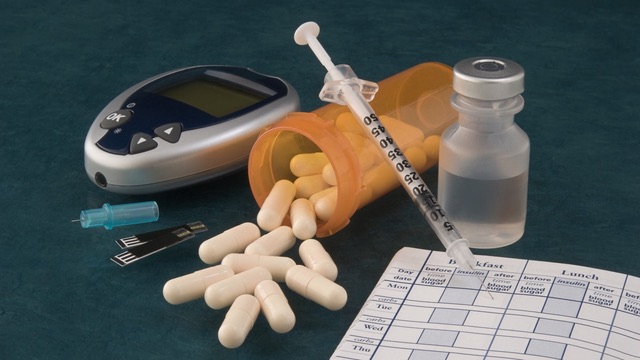
For a person diagnosed with Type 2 diabetes, the first prescription is only the beginning of a long cycle of expenditure. Medicines have to be taken regularly, blood sugar monitored and tests repeated to check for complications affecting the kidneys, eyes, heart and nerves. Those requiring insulin also have to pay for needles, testing strips and other supplies.
The financial burden extends beyond medicines to consultations, laboratory investigations and screening. When expenses become difficult to manage, some patients delay tests, reduce medication doses or take tablets on alternate days.
“One particularly worrying tendency is that occasionally patients pay for medications over medical examinations or vice versa because they cannot afford both. This is a vicious circle. Poorly treated diabetes results in poor glycaemic control, increasing the risk of complications and eventually making taking care of diabetes more expensive,” says Dr Nishchitha K, Consultant in Endocrinology and Paediatric Endocrinology at Gleneagles BGS Hospital, Bengaluru to South First.
The National Sample Survey’s 80th round offers a broad picture of healthcare expenditure in India under the category of endocrine, metabolic and nutritional conditions.
For hospitalisation under this category, average medical expenditure per case across India was ₹32,269 over the previous 365 days. The average was ₹6,062 in government hospitals and ₹51,258 in private hospitals, about 8.5 times the expenditure in government facilities.
For non-hospitalised treatment, average expenditure per treated spell over 15 days was ₹810 nationally. Patients spent ₹219 at government hospitals, ₹1,283 at private hospitals and ₹927 at private doctors’ clinics.
State-level figures show differences across southern India. Average hospitalisation expenditure was ₹62,306 in Andhra Pradesh, ₹39,129 in Karnataka, ₹42,443 in Kerala, ₹33,519 in Tamil Nadu and ₹27,286 in Telangana.
For non-hospitalised treatment over 15 days, the average was ₹792 in Andhra Pradesh, ₹380 in Karnataka, ₹419 in Kerala, ₹559 in Tamil Nadu and ₹946 in Telangana. In Telangana, the average was ₹2,038 at private hospitals and ₹71 at government hospitals.
These figures cover a single treated spell, not annual or lifetime diabetes expenditure. However, they illustrate differences in household spending between public and private healthcare providers.
Monthly private treatment costs also vary according to prescribed medicines and the stage of the disease. Dr Nishchitha estimates that basic oral treatment with metformin, with or without sulfonylureas, costs ₹200-600 a month. Oral combinations involving newer medicines can cost ₹800-2,500, while insulin-based treatment, including basic monitoring and supplies, can cost ₹1,500-4,500. GLP-1 receptor agonist treatment can cost several thousand rupees or more.
“These numbers reflect medication and routine monitoring. Consultation fees, laboratory investigations and complication screenings add to the overall cost,” she says.
Dr Praveen Kumar, Consultant Physician and Diabetologist at SRM Prime Hospital, Chennai, estimates that urban outpatients with Type 2 diabetes spend ₹2,000-5,000 a month. For those on advanced treatment regimens, expenditure can rise to ₹8,000-15,000.
“Managing type 2 diabetes requires continuous lifelong expenditure that is largely paid out of our pocket in India,” he says to South First.
Also Read: US recommends regular prostate cancer screening for men aged 50-69
Patients may manage medicines for a few months but struggle to sustain treatment over several years, particularly when their income is irregular.
Dr Praveen says financially constrained patients may skip doses, take tablets on alternate days or stop treatment altogether. Some attend consultations without updated HbA1c or kidney function reports, relying instead on a fasting blood glucose reading. Economically weaker patients may also approach hospitals only after symptoms or complications appear.
Dr Shankar V, who works in Internal Medicine at Apollo Hospitals, Seshadripuram, Bengaluru, says early diagnosis and consistent treatment help control costs.
“Medications cannot be stopped regardless of socio-economic status, because early and consistent treatment prevents costly complications,” he says to South First.
The choice of medicine also shapes expenditure. Older drugs such as metformin and sulfonylureas can provide effective blood glucose control at relatively low costs. Newer medicines, including SGLT2 inhibitors and GLP-1 receptor agonists, may offer additional cardiovascular or kidney benefits for selected patients but are more expensive.
Treatment decisions must account for the patient’s medical condition, risk of low blood sugar, kidney function and ability to sustain treatment.
Dr Nishchitha says quality-assured generic medicines can reduce expenditure when clinically suitable and reliably available. “The goal is not simply to prescribe the cheapest medicine. It is to prescribe the most effective treatment that the patient can realistically continue,” she says.
Dr Shankar similarly says well-studied and effective generic medicines can be safe. Patients unable to afford newer therapies may be prescribed older drugs, although these may not provide the same additional heart and kidney benefits associated with some newer medicines.
For patients requiring insulin, expenditure extends beyond purchasing the medicine to syringes or pen needles, glucose monitoring devices and testing strips. Insulin storage can pose additional difficulties for those without reliable refrigeration or electricity.
Dr Ravikiran, an endocrinologist at SIMS Hospital, Chennai, says prices vary considerably depending on the type of insulin. Older human insulin is relatively inexpensive, while newer formulations can cost two or three times as much per unit.
“Suppose if a person goes into the newer advanced versions of insulin, they cost around 3 rupees, 30 paise per unit like that, so the cost of insulin per day doubles or triples if the person is going to resort to newer advanced insulin,” he says to South First.
Dr Ravikiran estimates that imported GLP-1 receptor agonists cost ₹9,000-13,000 a month, while locally manufactured generic versions are available at around ₹3,000-4,000.
“Fortunately for GLP1 receptor agonist, we have home manufactured generics available, which cost around 3000 to 4000 per month, so a 6 month period therapy will cost around 24000 on an average, which many people seem to accept for the benefit they get,” he says.
These medicines are not required by every person with diabetes. Their use depends on clinical indications and whether the benefits justify the additional expenditure.
Monitoring is another recurring expense. HbA1c tests assess average blood glucose over the preceding months, while kidney function tests, urine albumin tests, lipid profiles and retinal examinations help identify complications. Dr Shankar says HbA1c testing every three months is ideal, although testing every six months may be considered when costs are a constraint. Kidney and retinal assessments may be required every six to 12 months, depending on the patient’s condition.
Dr Ravikiran estimates that annual screening of the heart, nerves, kidneys and eyes can cost ₹3,000-4,000. Early detection can help avoid more expensive treatment later.
The financial consequences become more severe when diabetes affects other organs. Kidney disease can require dialysis, while diabetic retinopathy may need laser procedures, eye injections or surgery. Cardiovascular complications can lead to hospitalisation, while diabetic foot problems may require repeated wound care, antibiotics or surgery.
Dr Nishchitha says expenditure often rises sharply when patients move from routine outpatient treatment to hospitalisation, repeated procedures, dialysis or long-term disability. Severe diabetic foot complications may involve prolonged treatment and amputation.
Dr Ravikiran estimates that injections for diabetic retinopathy can cost ₹25,000-30,000 and may need to be repeated over several months. For patients requiring dialysis, monthly expenditure can reach ₹20,000-25,000 at a private centre. Subsidised facilities may reduce the cost, although patients may still have to pay for consumables.
“When the actual complications happen, the cost spirals up,” he says.
The financial burden also extends beyond medical bills. Patients lose wages while attending consultations and undergoing tests. Those travelling from rural areas have to account for transport and accommodation. Family members may also have to take time off work to provide care.
“Patients do lose out on working hours or entire workdays for consultations and hospital visits. This can strongly impact daily-wage workers where missing one day’s work means a loss in income. Travel expenses also adds to the burden, especially for those travelling from rural areas,” Dr Nishchitha says.
She adds that when complications develop, family members may have to reduce their working hours or leave their jobs to care for patients, further reducing household income.
Also Read: A schoolgirl and a fit marathon runner: What is behind sudden cardiac deaths in the young?
Reducing diabetes care costs requires more than cheaper medicines. Patients also need affordable diagnostic tests, regular follow-ups and screening before complications become advanced.
Dr Praveen points to the need for reliable generic medicines, subsidised insulin and stronger primary healthcare. Doctors can consider lower-cost alternatives, including human insulin where clinically appropriate, and direct patients to government-supported medicine outlets.
Dr Shankar also emphasises affordable medicines and diagnostics, along with stronger primary healthcare services.
Dr Nishchitha says public health services should integrate HbA1c testing, kidney screening, retinal examinations and foot assessments into routine diabetes care. She also argues that financial protection mechanisms must cover outpatient treatment, since much of the expenditure associated with diabetes occurs outside hospital admissions.
“Affordable HbA1c testing, kidney screening, retinal examinations and foot assessments should be integrated into routine diabetes services rather than treated as optional additional expenses,” she says.
For a condition requiring treatment over decades, affording a prescription is only one part of the problem. Patients must also be able to return for consultations, undergo tests and continue medicines without interruption. When these costs become unaffordable, poorly controlled blood sugar can lead to complications that are more difficult and expensive to treat.
The question, therefore, is not only how much it costs to treat diabetes today, but whether families can sustain that expenditure for the rest of a patient’s life.
(Edited by Dese Gowda)



