

Published Oct 11, 2026 | 1:14 PM ⚊ Updated Oct 11, 2026 | 1:15 PM

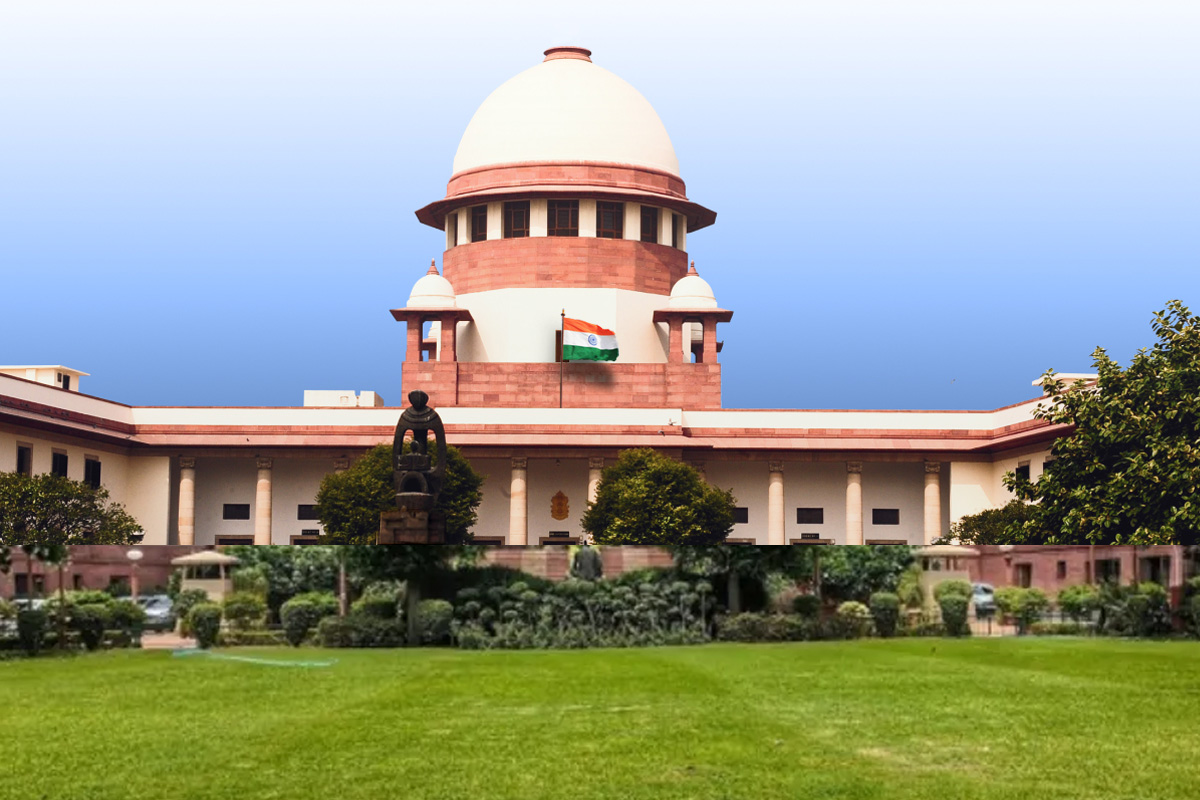
The Bench directed that Metro and rail facilities should function normally unless restrictions were required.

Synopsis: The Supreme Court on Sunday directed the Union government to ensure normal Metro and rail services, free movement in Delhi subject to traffic regulations, and uninterrupted internet facilities, a day after police detained around 3,000 people during protests demanding Chief Election Commissioner Gyanesh Kumar’s resignation and the scrapping of the Special Intensive Revision of electoral rolls. The Court also directed that no one be detained except in accordance with the law, and called for the removal of the board announcing prohibitory orders around the Court.
The Supreme Court on Sunday, 11 October directed the Union government to allow normal Metro and rail services, ensure free movement across Delhi subject to traffic regulations, and keep internet facilities undisturbed, a day after police detained thousands of people during protests demanding Chief Election Commissioner Gyanesh Kumar’s resignation and scrapping of the Special Intensive Revision (SIR) of electoral rolls, Livelaw reported.
A Bench of Justices Joymalya Bagchi and V Mohana issued the directions during a special Sunday sitting to hear petitions arising from the Delhi Police’s handling of the protests, including a contempt petition alleging continued restrictions on Metro services in violation of the Court’s 9 October order and a habeas corpus petition concerning the detention of political leaders.
The Court directed that “there shall be no detention of any individual except in accordance with the procedure established by law”, particularly peaceful and unarmed people outside areas where prohibitory orders were in force.
It also directed the authorities to remove, if not already done, the board announcing the imposition of Section 163 of the Bharatiya Nagarik Suraksha Sanhita (BNSS) in the area around the Supreme Court. The measure was intended to ensure that there was no apprehension about access to justice, including entry to and exit from any court of law.
The Bench directed that Metro and rail facilities should function normally unless restrictions were required in response to disturbances to public order, as contemplated under Article 19(2) of the Constitution.
It ordered an immediate review of barricades, taking into account law and order and traffic conditions, and directed that internet facilities remain undisturbed. The directions were subject to any law and order situation.
Also Read: Should you use a hammer to kill a fly?
Delhi witnessed its biggest security lockdown since the COVID-19 pandemic ahead of the protests. More than 26,000 police personnel were deployed across the city, barricades were erected at several locations, and the police prepared 12 detention centres. These centres began filling up as the day progressed.
By Saturday evening, around 3,000 people had been taken into custody. Some of those detained were travelling by train.
The restrictions extended across the capital. Forty-five Metro stations were shut, internet services were suspended, student neighbourhoods were barricaded, and police personnel were deployed outside major campuses. Bus services and cab movement into Connaught Place were severely curtailed. Authorities also regulated long-distance trains arriving in Delhi and imposed prohibitory orders.
Among those detained was former Kerala Chief Minister and senior Communist Party of India (Marxist) leader Pinarayi Vijayan. CPI(M) general secretary MA Baby and several others accompanying him were also taken into custody.
Before CJP founder Abhijeet Dipke was detained, several CPI(M) central committee members staying at Kerala House, on the same road as Jantar Mantar, attempted to march towards the protest site.
The protests were called to demand Kumar’s resignation and the withdrawal of the SIR, which Opposition parties have alleged has deprived crores of citizens of their right to vote.
The Congress has called for a mass mobilisation in Delhi on Monday. On Sunday, Left student groups resumed the protests.
(Edited by Dese Gowda)



