

Published May 25, 2026 | 4:57 PM ⚊ Updated May 25, 2026 | 4:57 PM

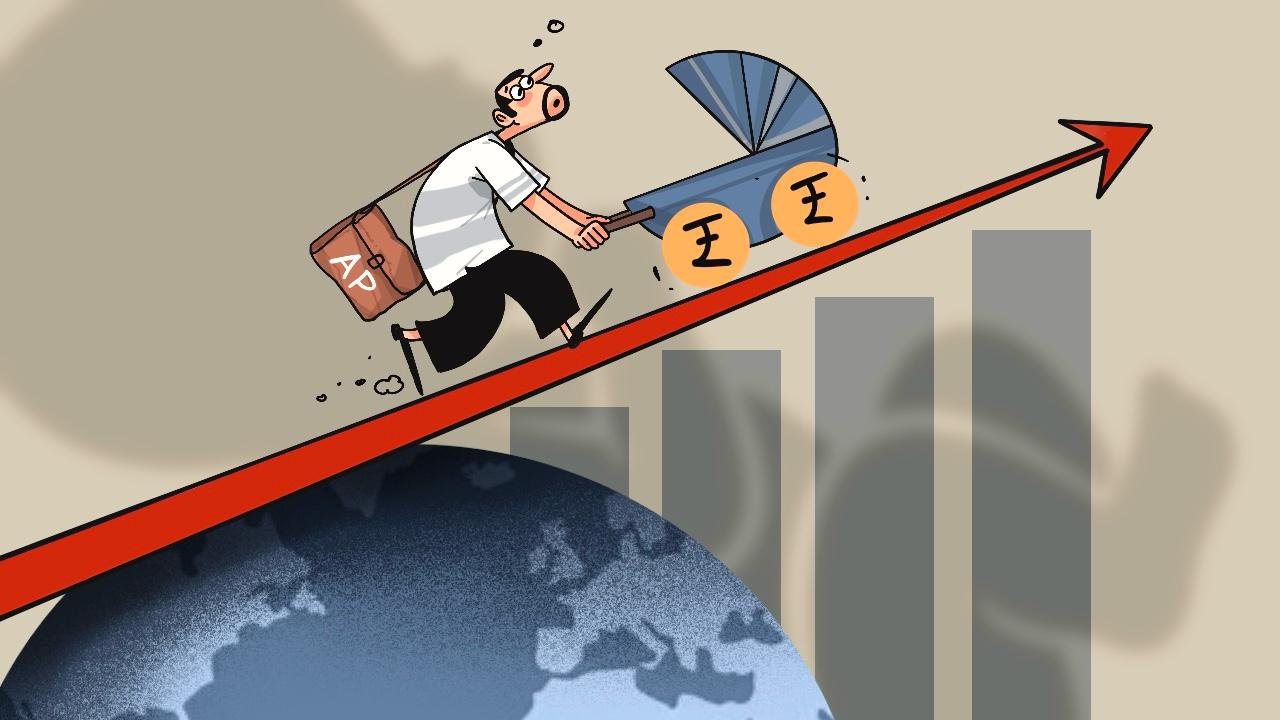
Andhra Pradesh’s total fertility rate (TFR) is estimated to be between 1.5 and 1.7, well below the replacement level.

Synopsis: Countries such as Hungary, Japan and Russia have all introduced pro-natalist cash incentives in response to falling birth rates. South Korea alone spent more than $220 billion. None have been successful. Yet Andhra Pradesh is now following the same model, hoping for a different result. Poonam Muttreja, executive director of the Population Foundation of India, breaks down the logic behind the policy and why she believes it will fail.
For over two decades, South Korea spent over $220 billion (₹20 lakh crore) trying to increase its fertility rate. It offered cash incentives, childcare subsidies, housing benefits and tax breaks. Yet in 2025, its fertility rate was 0.8, one of the lowest in the world.
South Korea was not alone. Hungary, Japan, Russia, Singapore and several European nations have all introduced pro-natalist cash transfers in response to falling fertility rates. But none has meaningfully reversed the trend.
Now Andhra Pradesh has become the latest to do so. Earlier this month, Chief Minister N Chandrababu Naidu announced ₹30,000 for a third child and ₹40,000 for a fourth.
When Poonam Muttreja, executive director of the Population Foundation of India, recently pointed to the failure of cash incentives across the world to raise fertility rates to an Andhra Pradesh government spokesperson, the response was: “Yes, we know the world has not been able to do it, but we will.”
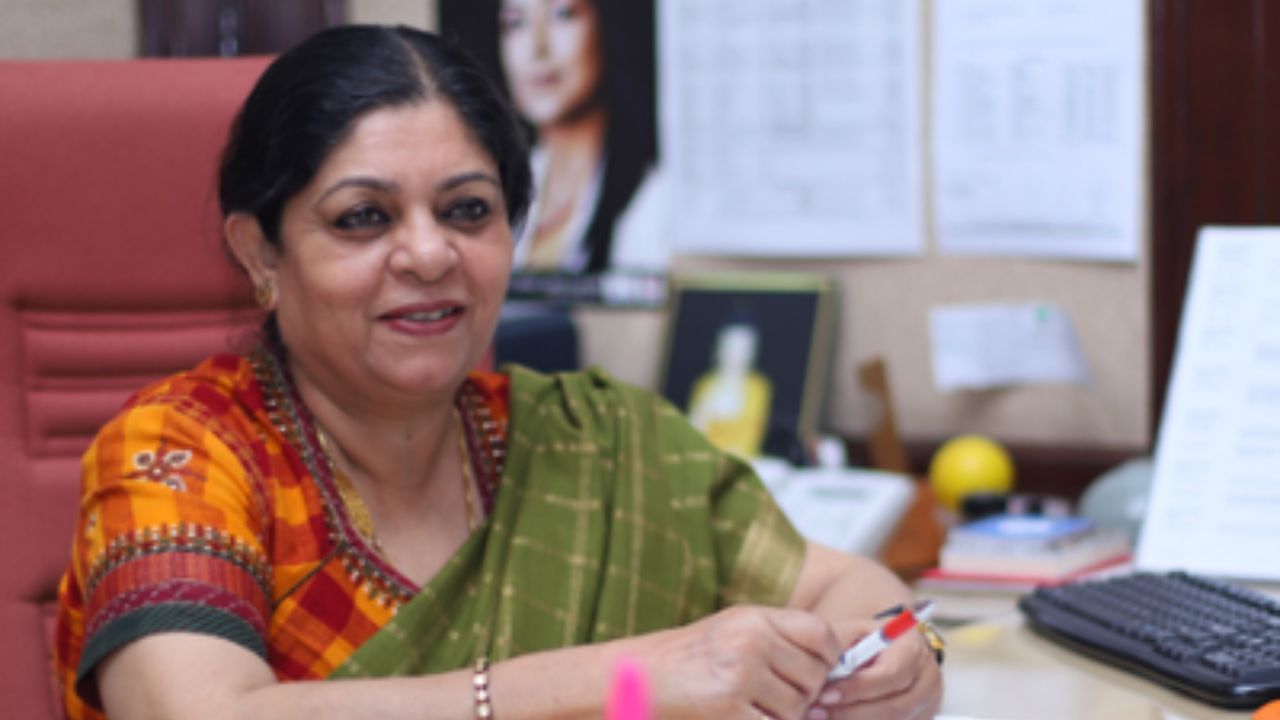
Poonam Muttreja, Executive Director of the Population Foundation of India.
“I told them it is good to have ambition, and I wished them luck,” Muttreja told South First.
“India was one of 189 signatory countries to the 1994 International Conference on Population and Development in Cairo. All these countries agreed that both incentives and disincentives for family planning go against women’s autonomy, reproductive justice and choice.
“Andhra Pradesh’s announcement goes directly against that commitment.
“No country in the world has been able to reverse fertility decline through such measures,” she said.
“In India, incentivising people to have more children is a new game being played on the wombs of women. Earlier, we were constantly told to use family planning and have fewer children because there was panic about overpopulation. What Andhra Pradesh is now doing is fuelling a new panic over underpopulation.”
Also Read: Should Indians worry about Ebola? Experts say no, but stay informed
Andhra Pradesh’s total fertility rate (TFR) is estimated to be between 1.5 (Sample Registration Survey) and 1.7 (NFHS-5), well below the replacement level of 2.1. The decline was not a surprise. It was the result of decades of policy.
“Andhra Pradesh has had comparatively stronger public health governance,” Muttreja explained.
“Women generally married around the age of 18, had two children relatively quickly, and then accessed family planning services. The state provided family planning and sterilisation services far more effectively than the poorly managed camps we often see in northern India.”
The result was a policy success. Yet the state now treats it as a problem.
“Low fertility is not simply a question of people refusing to have children. It is shaped by women’s education, delayed marriage, the rising cost of raising children, job insecurity, lack of childcare, infertility and unequal domestic work, which women disproportionately bear,” Muttreja said.
“A one-time cash incentive is a very limited prescription for a much deeper structural issue. It risks treating fertility as something that can be engineered through payouts rather than understood through people’s social and economic realities.”
Data from the National Sample Survey shows that childbirth in a private hospital in Andhra Pradesh already costs around ₹70,000 – the combined incentive for both children.
Raising a child to the age of 18 costs between ₹5 lakh on the government track and ₹45 lakh on the private track, accounting for inflation through to 2044.
“The disconnect is astonishing. Perhaps policymakers believe a one-time payment will offset the lifelong economic burden of childcare. But are they serious? Is this really how policymakers think? It feels like these figures were simply pulled out of thin air,” Muttreja said.
“The government views childbirth as a one-time event. Families experience it as an 18-year, often lifelong, commitment. Where is the government’s long-term commitment?”
Also Read: ‘Drink breast milk to build muscles’: Viral fitness claim sparks doctor backlash
“The Andhra Pradesh government needs to acknowledge the real elephant in the room – delimitation,” Muttreja said. “Southern states fear they may be penalised despite performing well on development and population indicators. Andhra Pradesh and its leadership are in one of the strongest positions to raise this issue nationally, rather than remaining quiet because of coalition politics.”
Instead, she said, the government has responded to delimitation anxiety by trying to engineer births.
“There is so much more that Chandrababu Naidu and Andhra Pradesh can do if they genuinely want to achieve some balance in fertility. But first, they need to create balance for women.”
Andhra Pradesh’s infant mortality rate is around 19 deaths per 1,000 live births. Thousands of infants die before their first birthday.
“The most immediate population investment is not paying people to produce more children, but ensuring children who are already being born survive and thrive,” Muttreja said. “Every child should survive instead of merely distributing ₹30,000 or ₹40,000.”
India’s infertility rate is estimated at around 10 percent nationally, and could be higher.
“So why are we not providing infertility services and treatment within the public health system? First, let us do what is truly in the interest of women,” Muttreja said.
“If you look at Nordic countries such as Sweden and Norway, where women are having relatively more children, those governments have invested heavily in childcare support,” she said. “What women need is childcare. In a country where childcare is largely unavailable, expecting women to have much larger families is a policy designed to fail.”
She called for stronger childcare policies.
“Give women maternity leave immediately after childbirth, and then, when the baby is around six months old, provide three months of paternity leave to the father. That is the stage when complementary feeding begins and mothers need the most support,” Muttreja said.
“Around 60 percent of Indian women are anaemic. Anaemic mothers are more likely to give birth to underweight or stunted children. Invest in maternal nutrition. Invest in children already being born.”



