

Published May 20, 2026 | 7:00 AM ⚊ Updated May 20, 2026 | 10:00 PM

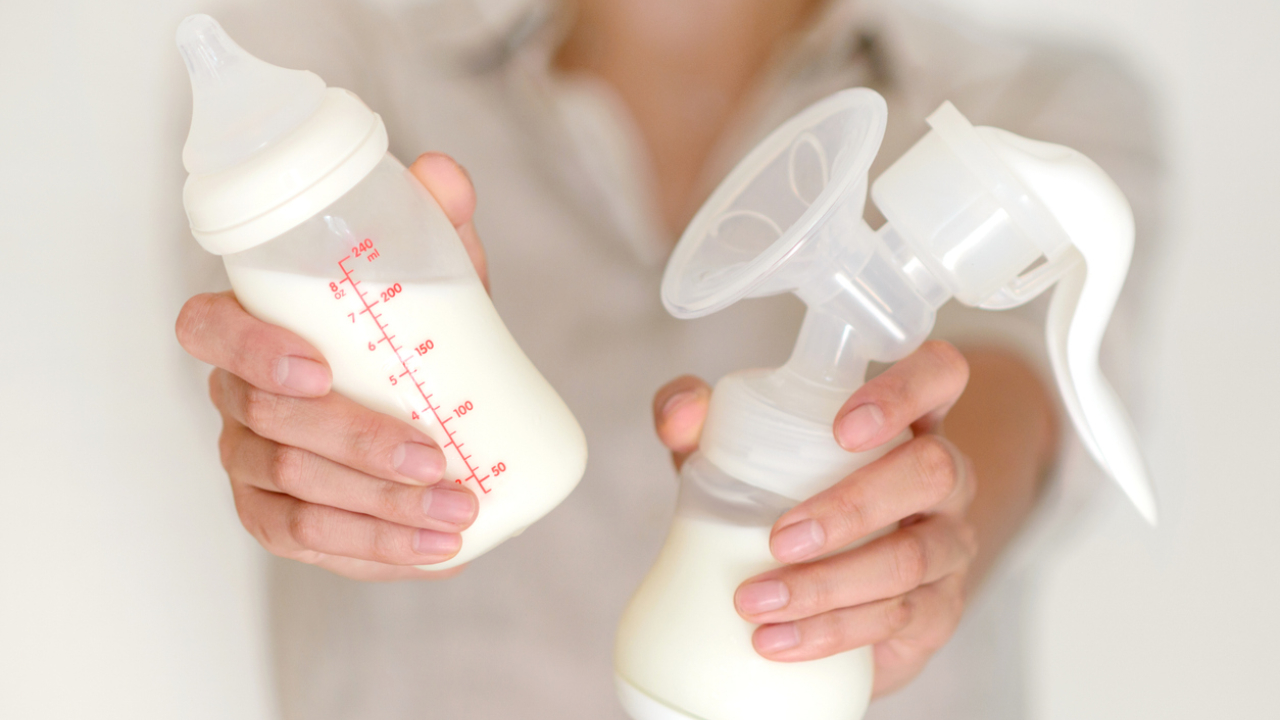
Representational image. Credit: iStock

Synopsis: A fitness influencer’s reel urging adults to drink breast milk for muscle gains has gone viral, drawing 15 million views. Doctors warn the claims are misinformation, noting breast milk’s low protein content and lack of evidence for fitness benefits. Experts stress donor milk is vital for premature infants, not adult gym trends.
A fitness influencer told his followers to start drinking breast milk. 15 million people watched.
“Start drinking breast milk. Your body will automatically get built. It’s not just me, many pro bodybuilders consume it,” said Tanish Yadav in a reel posted on Instagram, which has since gathered over three lakh likes.
Yadav went further, claiming breast milk contains human growth hormone, aids fat loss and carries muscle-building properties that bodybuilders seek out, even through black-market sources on the dark web, where it sells at prices far above regular milk.
View this post on Instagram
The reel sits at the centre of a growing trend where fitness communities promote donor breast milk as a superfood for adults. Doctors are now pushing back.
Also Read: One in eight: How late diagnosis keeps India’s breast cancer patients from fighting back
Breast milk is biologically designed for infants. It carries fat, water, lactose, carbohydrates, protein and antibodies that build immunity, support brain development and sustain growth in newborns.
But its protein content tells a different story for anyone chasing muscle gains. “There is around 0.8 to 1.2 grams of protein in 100ml of breast milk,” Dr Sudhir Kumar, senior neurologist at Apollo Hospital, Hyderabad, told South First.
By comparison, cow’s milk carries roughly three grams of protein per 100ml. Yadav himself acknowledged this in the reel, noting that breast milk’s protein content is lower than that of cow’s milk, yet still promoted it.
Dr Raghuram Mallaiah, neonatologist and co-founder of the Breast Milk Foundation, dismissed the claims directly. “If it’s only for protein, I don’t think breast milk is the best milk,” he told South First.
The claims circulating online lean on terms like “immune booster”, “natural”, “anabolic” and “human growth hormone.” Doctors say none of it holds up to scrutiny.
“Whatever is claimed online, they are anecdotal and there is no evidence for that,” said Dr Kumar.
Dr Suparna Mukherjee, nutritionist and dietician at Narayana Health Bengaluru, was equally direct. “Human breast milk has no proven role in muscle building for adults. Claims promoting it for gym performance are misinformation, not supported by scientific evidence,” she said.
She added that adult fitness depends on balanced nutrition, cardio exercise and strength training, not on trends driven by viral content. “There is no evidence-based research proving that adults or gym-goers need breast milk to build muscle or improve fitness,” she said to South First.
Dr Kumar raised a separate concern about who drives these claims. The influencers and self-described physicians promoting breast milk on social media are, in his view, neither trained nor certified to dispense health advice. “This is a mix of misinformation-driven marketing,” he said.
Also Read: Hyderabad women face highest breast cancer risk in India, Bengaluru close second
While the fitness trend grows, the people who depend on donor breast milk most are premature and critically ill newborns in NICUs across India.
Donor milk undergoes rigorous screening before it reaches any infant. Dr Raghuram explained that donors are tested for infections, chronic illnesses and viral markers. Those who smoke, consume alcohol or take regular medication are rejected. Milk is pumped, stored in freezers and collected by milk bank teams before it enters the supply chain.
India currently runs 125 active milk banks, operated by government institutions, hospitals and NGOs. Donor milk in these banks functions less like nutrition and more like medicine for the most vulnerable infants, reducing feeding intolerances and lowering the risk of necrotising enterocolitis, a severe intestinal condition that can turn fatal in premature babies.
Formula milk replicates only around 60 percent of breast milk’s benefits. For NICU infants, the gap matters enormously.
Doctors warn that adult demand for breast milk does not exist in a vacuum. It pulls directly from a supply meant for infants who have no alternative.
“The main people who should benefit are lacking it, and it is being sent to somebody who does not need this. Both ways, it is harming,” said Dr Kumar.
He also cautioned that if demand from fitness communities continues to grow, uncertified milk banks could emerge to meet it, supplying adults with milk that has not been screened, creating a public health risk that compounds the ethical one.
(Subhashri Srikanth is an intern at South First. Edited by Amit Vasudev)



