

Published Sep 15, 2026 | 10:37 PM ⚊ Updated Sep 15, 2026 | 10:38 PM

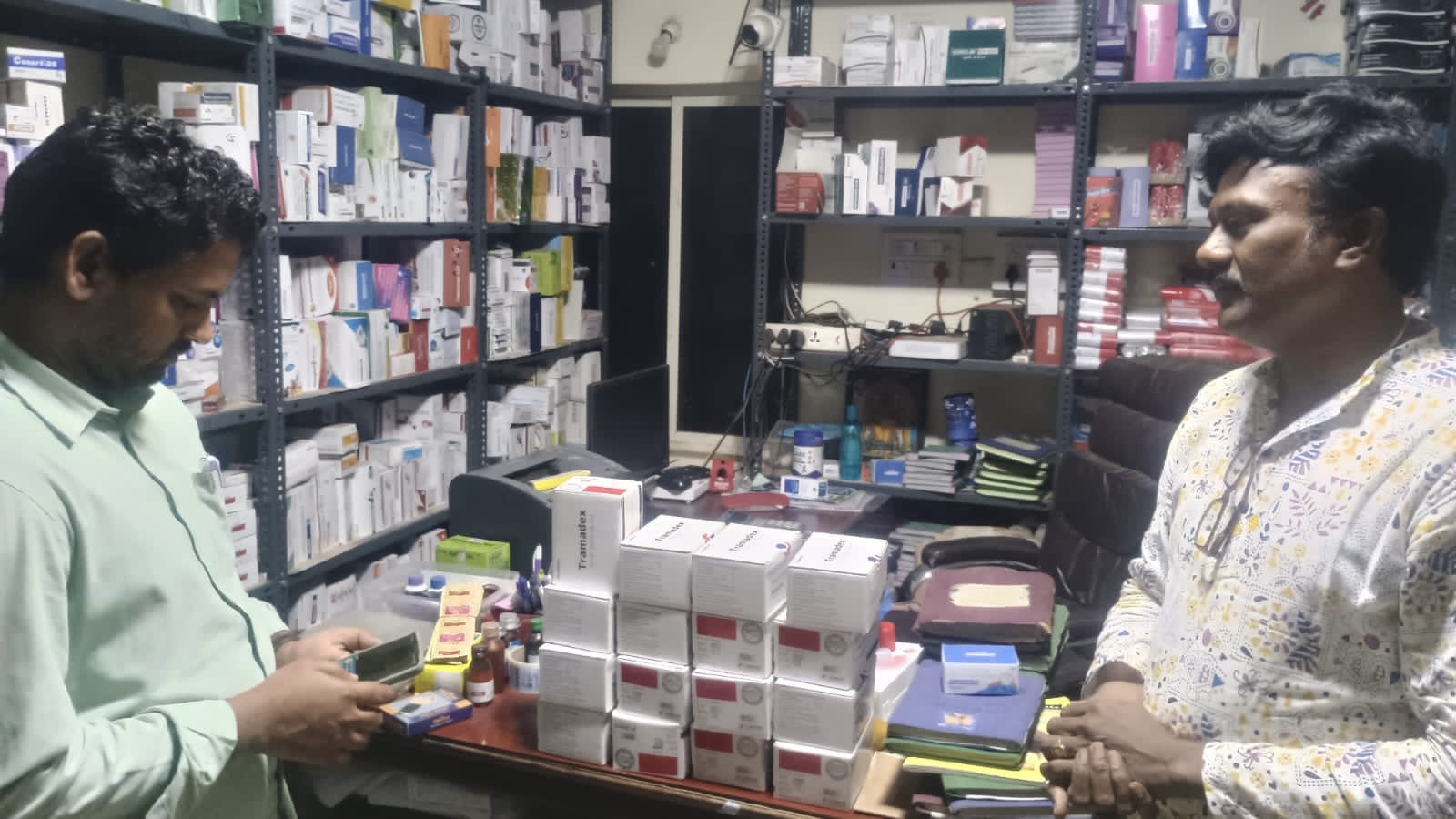
The Drug Control Administration is now preparing action against medical stores found to have engaged in serious violations.

Synopsis: An unusual find of broken tramadol injection vials and used syringes in an oil-palm plantation in Andhra Pradesh’s Vegavaram village led officials to uncover suspected diversion and illegal sale of the prescription painkiller. The investigation found that two medical agencies had purchased thousands of injections but could not account for their sale, with officials seizing 7,550 injections and alleging the use of fake bills.
It began with an unusual discovery in an Andhra Pradesh village: empty and broken injection vials and used syringes scattered in an oil-palm plantation. What officials found next turned a local discovery into a statewide investigation into the abuse of a prescription painkiller.
The injections were identified as Tramodex and Tramec, both containing tramadol, a medicine used medically to treat severe pain. But tramadol can also produce intoxicating effects and is being abused by some people as an alternative to narcotic drugs, according to the Health Department.
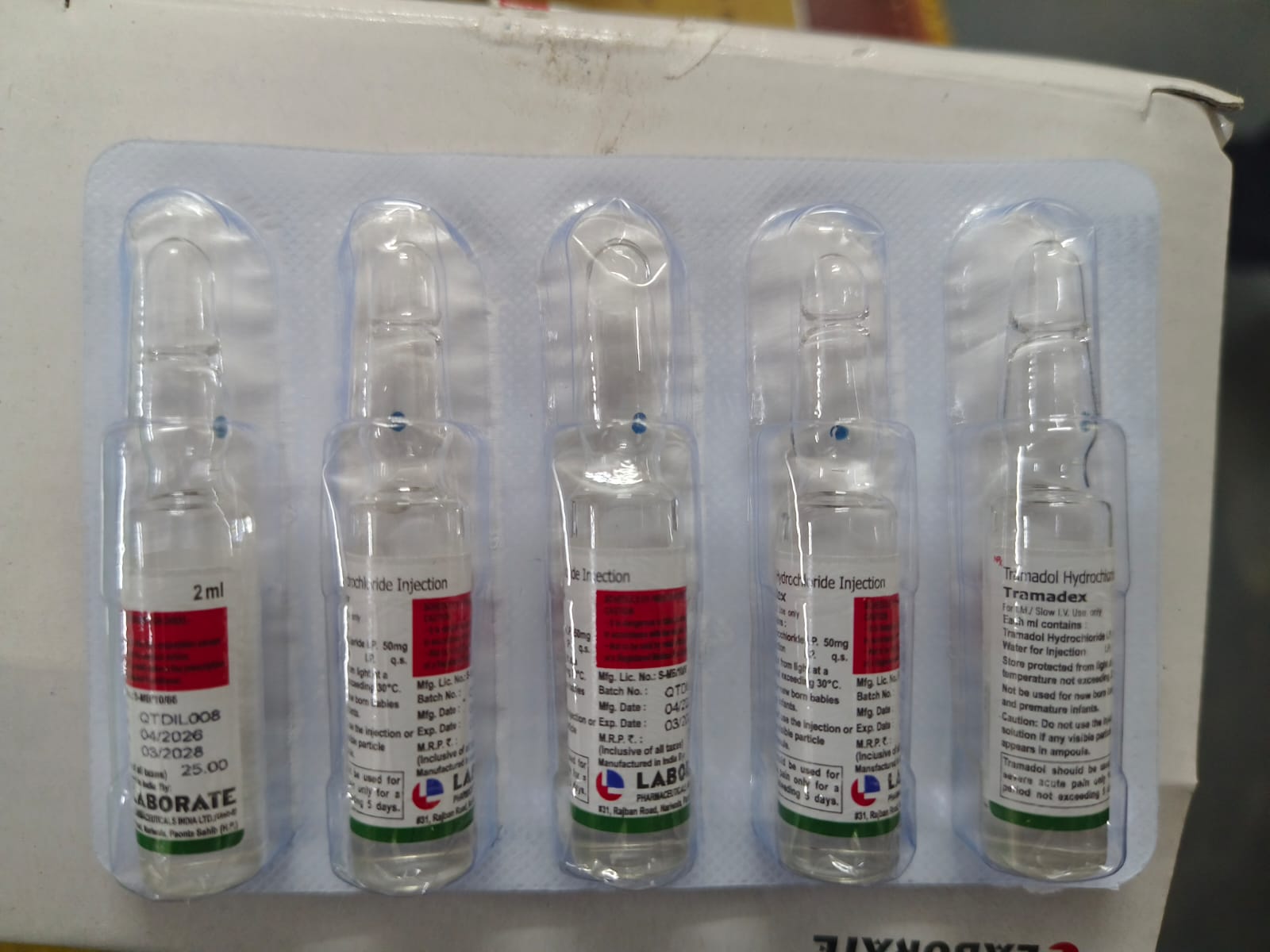
Tramadol is used medically to reduce severe pain.
“Tramadol is used medically to reduce severe pain. However, because it has an intoxicating effect, some people are misusing it as an alternative to narcotic drugs,” the Health Department said.
The discovery was made in an oil-palm plantation in Vegavaram village in the Jangareddygudem area. Jangareddygudem Drugs Inspector P Mallikarjun visited the site after the large number of discarded vials and syringes were noticed and identified the injections.
The finding prompted officials to look beyond the discarded vials and examine how the injections had reached the area. They collected distribution details from tramadol manufacturers supplying Andhra Pradesh and Telangana and began tracing pharmacies and medical agencies that had purchased large quantities.
“The medicine should be sold only on the advice of a doctor and in accordance with the prescribed rules,” the Health Department said.
Also Read: ‘Foodporn’ usually sells junk. ICMR-NIN tried the same for healthy food. Teens wanted more
The investigation led officials to Sri Lakshmi Srinivasa Medical Agency, which had purchased a large quantity of tramadol injections. According to the department, the agency had purchased 20,000 injections through two bills this year.
However, officials said the agency could not produce the corresponding sales bills or stock details. The discrepancy prompted a deeper investigation into where the injections had gone.
“Officials identified irregularities in the purchase and sale of tramadol and other medicines subject to stringent regulations,” the Health Department said.
The investigation then led officials to a carpentry shop. Four boxes of Tramodex injections were allegedly hidden there, and a search of the premises resulted in the seizure of 7,550 injections.
Officials said their investigation indicated that the injections had been supplied to medical stores and individuals in Jangareddygudem, Vegavaram, Medyanapu Varigudem, Kukunoor and other areas. The discovery raised concerns over the diversion of a tightly regulated prescription medicine from the legitimate supply chain.
Also Read: Keralam has high access to rabies treatment. But why are people still dying?
Another medical agency, D Roopa Peddinti Medical Agency, also came under the scanner. Officials found that the agency had purchased 5,200 Tramec injections over the past two years.
Bills showed that 3,930 injections had allegedly been sold to a medical store in Telangana. However, Telangana authorities found that the transaction was fake, according to the Health Department.
“Fake bills were prepared and the medicines were actually supplied to other stores without bills,” the department said.
Following the findings, the Drug Control Administration lodged a complaint with the police. Jangareddygudem police arrested five people, including medical store owners and an employee, and sent them to jail.
The Jangareddygudem case prompted Health Minister Satya Kumar Yadav to order special inspections across Andhra Pradesh. The checks were conducted under the supervision of Arun Babu, Director General of the Drug Control Administration.
Officials inspected 100 medical stores across the state and found violations at 55 locations. Of these, 53 were classified as minor violations, while two cases involved large-scale purchases and sales without the required bills.
“In two places in Krishna and NTR districts, large quantities of medicines were purchased and sold, but the concerned bills were not produced,” the Health Department said.
Officials seized purchase documents in those cases and are examining the transactions. The department said the inspections were aimed at identifying illegal or irregular movement of tramadol and other medicines that are subject to stringent controls.
Tramadol is a prescription painkiller and has legitimate medical uses. The concern for authorities is its abuse without medical supervision because of its intoxicating effects.
The Health Department said some medical store operators were allegedly working with intermediaries to sell the injections without proper bills and records. Such diversion can put the medicines into the hands of people who have no medical need for them.
“Illegal transportation, unauthorised storage and sale of tramadol or other medicines subject to stringent regulations without proper records will attract strict action under the law,” Arun Babu said.
The department said it would continue working with the police and other enforcement agencies to investigate the transactions. Officials will examine purchase and sales records before deciding on further action.
The Drug Control Administration is now preparing action against medical stores found to have engaged in serious violations. Officials said steps were being taken to cancel the licences of establishments involved in large-scale illegal transactions.
“We are continuing the investigation in coordination with the police and other enforcement agencies. Further action will be taken based on examination of records,” Arun Babu said.



