
Published Jun 03, 2026 | 7:41 PM ⚊ Updated Jun 03, 2026 | 7:41 PM

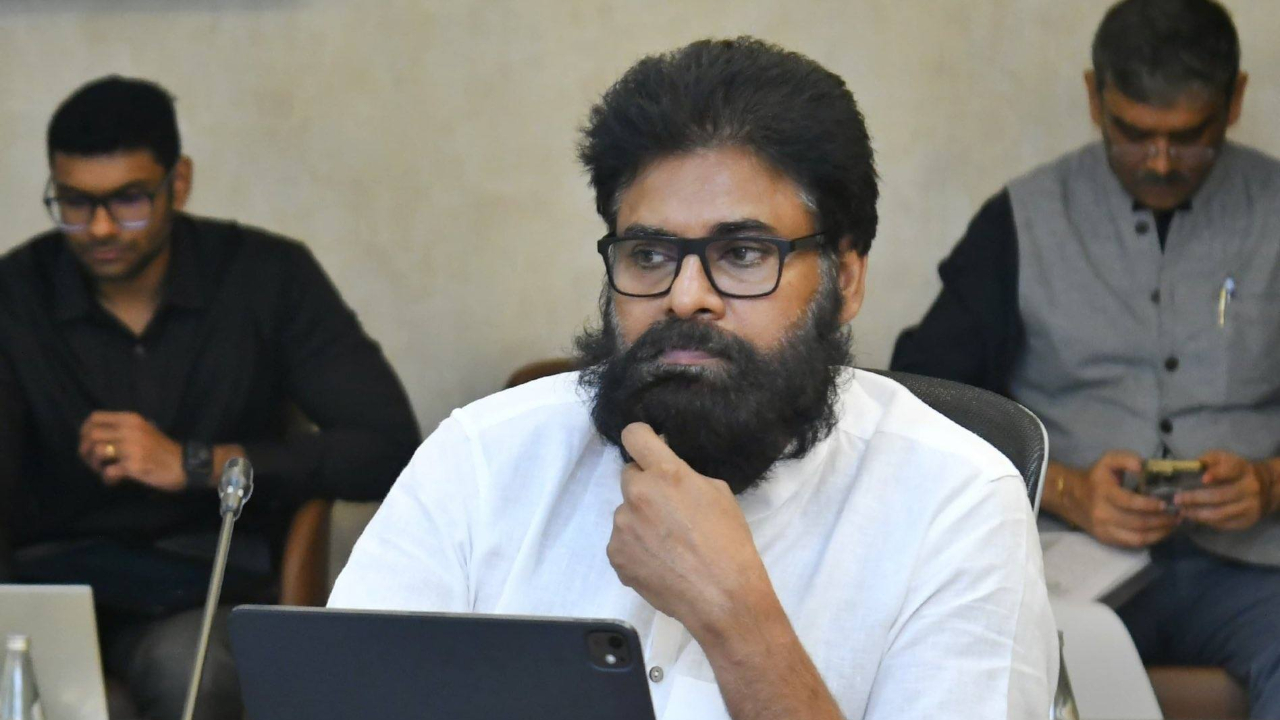
Andhra Pradesh DyCM and Jana Sena Party chief Pawan Kalyan. (facebook.com/PawanKalyan)

Synopsis: Pawan Kalyan’s announcement that Jana Sena will contest polls in Hyderabad on Telangana Formation Day has reignited tensions. Critics see it as a provocation by Samaikya vaada forces, reopening wounds of pre-bifurcation exploitation. Telangana leaders warn his move risks sparking fresh agitation to defend identity, dignity, and hard-won statehood against perceived external political encroachment.
Pawan Kalyan’s provocation, aimed at Telangana people’s very existence, is likely to ignite a fresh phase of agitation—one that will once again compel the sons and daughters of this soil to defend their hard-won identity against the insidious revivalism of Samaikya vaada forces.
By declaring on Telangana Formation Day—June 2—that his Jana Sena Party will contest municipal polls in Greater Hyderabad and prepare for future Assembly elections, the Andhra Pradesh Deputy Chief Minister has not merely exercised a “democratic right”. He has poured salt into wounds that never fully healed, reopening the trauma of cultural domination, economic plunder, and political subjugation that defined the pre-bifurcation era.
This is a calculated assault dressed in the rhetoric of federalism.
Kalyan, perched comfortably as Deputy CM in Amaravati, chose the most symbolic day in Telangana’s calendar to assert that the state forged through blood, sweat, and sacrifice is open for political conquest. His words—”This is India. No one can prevent others from exercising their rights”—ring hollow when delivered from Jubilee Hills, a stone’s throw from the epicentre of the statehood agitation. They betray a mindset that views Telangana not as a sovereign entity born of legitimate aspiration but as residual territory still belonging to the old Andhra elite.
The Samaikya vaada leaders—those unrepentant champions of united Andhra Pradesh who opposed bifurcation tooth and nail—stand exposed once more. Pawan Kalyan, allied with Chandrababu Naidu’s TDP, embodies their enduring arrogance.
These forces never accepted the verdict of history in 2014. They mourned the loss of Hyderabad’s resources as if it were their personal fiefdom. Today, under the garb of “Jana Sena ideology”, they seek to infiltrate, divide, and reclaim influence. Their past sins—decades of neglecting Telangana’s backward districts, siphoning its revenues to coastal regions, imposing cultural hegemony through cinema and media, and forcing fluoride-laced water on its people while Andhra flourished—cannot be erased by populist slogans or star charisma.
Recall Kalyan’s earlier “evil eye” (drishti) jibe in Konaseema, where he blamed Telangana’s gaze for agricultural woes in the Godavari delta. That was not a slip of the tongue but a window into a supremacist worldview that dismisses Telangana’s struggles as envy rather than justified grievance.
Telangana ministers rightly demanded apologies; the Samaikya camp responded with deflection and victimhood. Such leaders, who once dismissed the statehood movement as “artificial” or “politically motivated”, now pose as saviours. Their hypocrisy is staggering. While Telangana sacrificed lives—students, farmers, activists—in a non-violent yet ferocious agitation, these Samaikya vaadis engineered delays, political betrayals, and police excesses to preserve their dominance.
Also Read | Telangana on the eve of Formation Day: Politics of diversion taking roots
Telangana’s statehood was never just about administrative separation. It was an existential assertion against systemic exploitation. The region contributed disproportionately to the combined state’s economy yet suffered neglect in irrigation, education, employment, and infrastructure.
The movement’s martyrs did not lay down their lives so that opportunistic Andhra-based parties could treat the new state as an electoral playground. Kalyan’s move risks reigniting regional passions precisely because it revives the old binaries: settler versus native, coastal prosperity versus Telangana resilience.
Critics from Congress, BRS, and neutral observers rightly see this as disrespect to the sacrifices of 2014. The denial of permission for a large Jana Sena meeting in Hyderabad was a defensive response, not an overreach.
Telangana cannot afford complacency. A fresh phase of existence struggle looms if Samaikya vaada elements succeed in polarising urban pockets, especially in Hyderabad where migrant dynamics complicate the landscape. Youth unemployment, agrarian distress and governance challenges provide fertile ground for populist infiltration, but at what cost to hard-earned identity?
The Samaikya vaada leadership’s track record offers little reassurance. Chandrababu Naidu’s TDP long presided over a system that marginalised Telangana. Pawan Kalyan, despite his anti-corruption posturing, inherits that legacy through alliance and rhetoric. Their combined front in Andhra Pradesh has prioritised Amaravati-centric development while Telangana forges its own path in IT, pharmaceuticals, and urban growth. Allowing such forces unchecked entry could undermine inter-state cooperation on vital issues like Krishna-Godavari water sharing. It may also galvanise Telangana’s polity to close ranks against external meddling.
Objectively, competitive politics can strengthen democracy. However, when laced with historical revanchism, it breeds division. Jana Sena’s entry might fragment votes and force mainstream parties to address local issues more aggressively. Yet the greater danger lies in normalising “us versus them” narratives.
Cultural boycotts, film industry tensions, and inflammatory campaigns could harm the shared Telugu heritage and economic interdependence. Hyderabad thrives partly due to talent from both regions; reigniting old animosities risks investor flight and social discord.
Also Read | Unfulfilled dreams in rural Telangana: Reflections from the ground
Telangana’s response must be measured yet firm. The Congress government under Revanth Reddy needs to defend state pride without descending into jingoism. BRS, with its roots in the statehood movement, can reclaim relevance by highlighting genuine local aspirations over mere opposition. Civil society, students, and cultural icons should mobilise to reaffirm that Telangana is not “anyone’s personal estate”, as some leaders aptly stated.
In attacking Samaikya vaada leaders, one must acknowledge their formal democratic rights. But rights come with responsibility. Leaders who once fought against Telangana’s birth have no moral high ground to lecture on unity now. Their provocation dishonours the very federalism they invoke. Pawan Kalyan’s star power and personal tours may attract crowds, but they cannot overwrite the collective memory of betrayal.
This Pandora’s box, if fully opened, could usher in renewed agitation—not for statehood anew, but for its unassailable protection. Telangana’s people, resilient through decades of neglect, will not surrender their existence lightly.
The coming municipal polls and future electoral cycles will decide whether Samaikya vaada’s ghosts are exorcised or emboldened. Wisdom demands de-escalation and focus on development. Yet if provocation persists, a fresh movement will rise, fiercer in its resolve to safeguard what was won through unparalleled sacrifice. The Telugu states share language and history, but Telangana’s dignity is non-negotiable.
Also Read: Pawan Kalyan would do well to bother about Andhra. He’s a non-entity in Telangana



