

Published Apr 16, 2026 | 4:56 PM ⚊ Updated Apr 16, 2026 | 4:56 PM

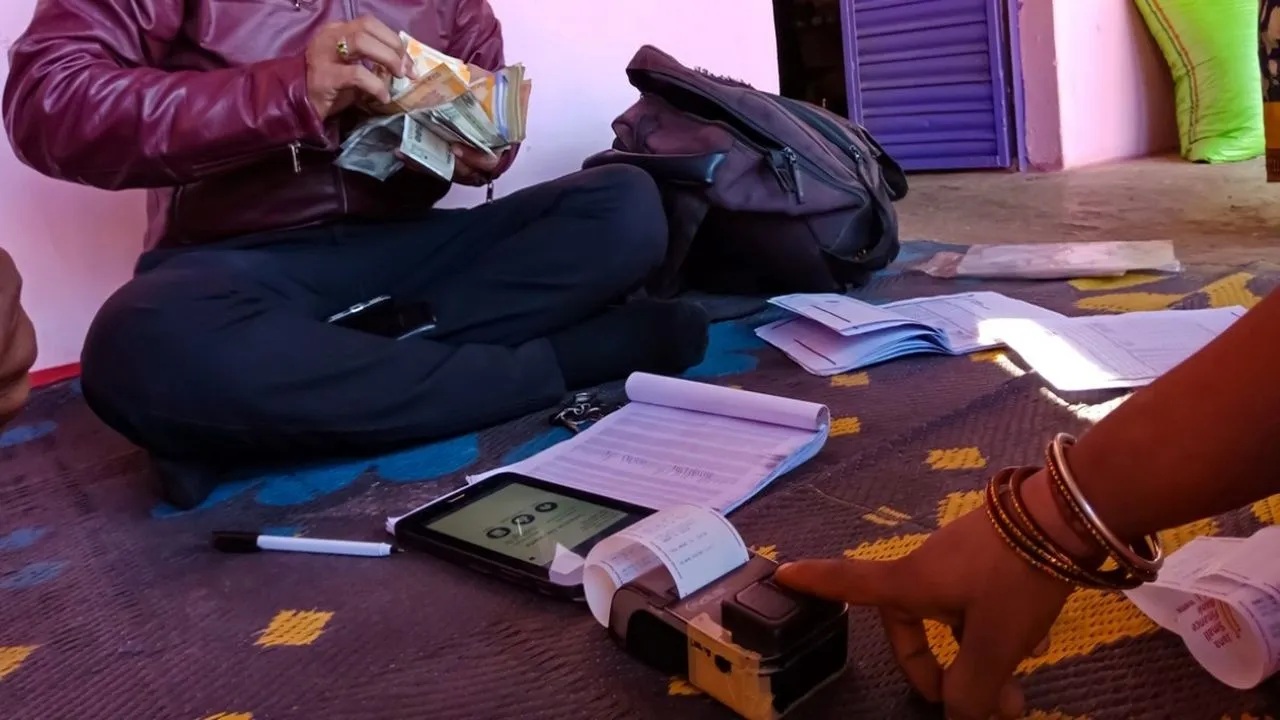
Unregulated interest rates could convert a medical emergency into a multi-year or even generational debt burden.

Synopsis: The survey also revealed a troubling divide regarding where marginalised communities borrowed money for medical treatment. STs reported the highest dependency on informal moneylenders at 9.7%, followed closely by SCs at 8.8%. General Caste households reported just 5.1% reliance on moneylenders and access to private banks at a rate of 19.3%, compared to only 5.9% among ST households.
The Telangana government’s Socio, Economic, Educational, Employment, Political and Caste (SEEEPC) Survey 2024, which covered 3.55 crore individuals across the state, has found that Scheduled Caste households are nearly four times more likely to borrow money for medical treatment than General Caste households, even when both earn the same income.
The survey identified dependency on medical loans as one of its primary indicators of financial insecurity and the absence of savings to absorb sudden health shocks.
Across Telangana, 11.5% of urban households and 10.2% of rural households reported borrowing specifically for medical purposes. But those averages conceal a deeply unequal distribution across caste categories.
In urban areas, Scheduled Caste households reported the highest medical loan dependency at 17.3%. Backward Classes follow at 12.4%, Scheduled Tribes at 12.6%, and General Caste households at just 4.9%.
In rural areas, the SC figure stood at 15.9%, against a General Caste average of just 4.7%. Across both urban and rural settings combined, SCs report a state-wide medical loan dependency of 10.9% against 3% for General Caste households, a gap of nearly fourfold.
The SC Beda community was identified as the most financially exposed in the entire state, with 14.7% of households dependent on medical loans. At the other end, OC Jains reported the lowest reliance in the state at just 1%.
Also Read: Survey finds SCs, STs three times more backward than upper castes
The most significant finding on medical borrowing is what happens when income is removed as a variable entirely.
The Independent Expert Working Group isolated only those households earning below ₹1 lakh annually, the survey’s definition of the extreme poor, and examined their medical loan dependency across caste categories.
Among the extremely poor, 12% of SC households carried medical debt. Among General Caste households at the same income level, the figure was just 4%. A poor Dalit family and a poor upper-caste family earning the same amount faced fundamentally different financial risks when a health crisis struck.
The Expert Working Group concluded that this reflected a structural absence of family support networks, savings buffers and informal financial safety nets among marginalised communities, advantages that General Caste families retain even in poverty.
Also Read: Telangana releases caste survey, reveals BCs make up 56% of state’s population
The survey also revealed a troubling divide regarding where marginalised communities borrowed money for medical treatment.
STs reported the highest dependency on informal moneylenders at 9.7%, followed closely by SCs at 8.8%. General Caste households reported just 5.1% reliance on moneylenders and access to private banks at a rate of 19.3%, compared to only 5.9% among ST households.
The distinction mattered enormously. Loans from scheduled or private banks come with regulated interest rates and formal repayment structures. Loans from moneylenders do not. For SC and ST families, borrowing out of desperation rather than investment, unregulated interest rates could convert a medical emergency into a multi-year or even generational debt burden.
Also Read: Activists urge Telangana to pass resolution against Transgender Amendment Act
The scale of the problem varied considerably across Telangana’s districts, but the caste hierarchy within it remained consistent.
In Jayashankar Bhupalpally, 32.1% of urban SC households reported medical loans, compared to 10.8% of OC households in the same district. In Jagitial, the urban SC figure stood at 28.2% against 9.3% for OCs. In Rajanna Sircilla, 26.9% of urban SCs reported medical borrowing compared to 11.4% for OCs.
Even in Greater Hyderabad, the gap persisted. SC households in GHMC reported medical loan dependency of 12.5%, while OC households in the same area reported just 5.2%.
In rural areas, SC households in Jagitial reported 23% medical loan dependency against 4.9% for OCs. In Peddapalli, the rural SC figure was 26.3% versus 7.4% for OCs. In Jayashankar Bhupalpally, 25.2% of rural SC households reported medical borrowing, compared to 6.8% for OCs in the same district.
One consistent pattern across districts was that the OC figure rarely crossed 12% even in the most medically stressed districts, while SC figures regularly exceeded 20%, and in some districts, they approached 30%.
The survey’s findings on medical debt become more striking when placed alongside data on welfare access. Scheduled Castes already make up 21% of Aarogyasri health scheme beneficiaries, a share higher than their 17% population share in the state.
SCs are over-represented among those receiving the state’s primary health welfare scheme, and they are still borrowing for medical treatment at nearly four times the rate of upper-caste households. The implication is direct: existing health coverage is not sufficient to prevent medical emergencies from pushing Dalit households into debt.
The Expert Working Group described the findings as a “severe indictment” of existing financial inclusion models, arguing that access to a welfare scheme is not the same as financial protection against health shocks.
One nuance the data reflected was the relative financial exposure of rural General Caste households. In rural areas, OC households reported medical loan dependency of 4.7%, which, while still far below the SC rural figure of 15.9%, was notably higher than the 4.9% figure for urban OC households.
This suggested that the absence of healthcare infrastructure in rural areas created additional financial pressure even for relatively privileged communities. But the gap with SC households remained wide regardless of geography. Even in rural Telangana, SC households borrowed for medical treatment at roughly three times the rate of their OC neighbours in the same districts.
The Expert Working Group recommended a shift in how the state delivers financial protection, moving away from population-share models toward what the report calls a “social justice 2.0” framework.
Rather than distributing welfare resources based on the size of a community, the proposed model would weigh allocation by the degree of documented backwardness, directing the most support to those most exposed to financial shocks from health emergencies.
The SC Beda community, the BC-A Odde community and the SC Madiga community were among those the survey flagged as priority targets, communities where the combination of low income, high medical borrowing and dependence on moneylenders created a cycle that existing welfare architecture has so far failed to break.
(Edited by Majnu Babu).



