Sources close to the probe indicated that questions centered on Rao's directives to subordinates, the destruction of digital evidence—allegedly including hard drives dumped in a river—and the misuse of state intelligence resources for political gain.
Published Dec 12, 2025 | 11:29 PM ⚊ Updated Dec 12, 2025 | 11:29 PM
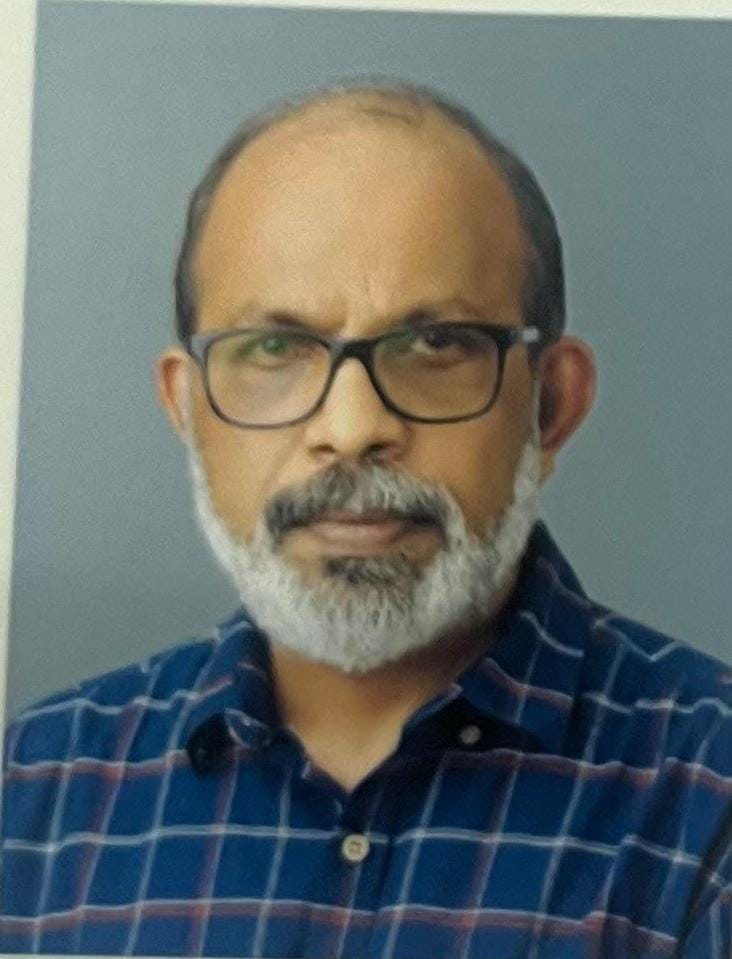
T Prabhakar Rao (File pic).
Synopsis: The Supreme Court Bench, comprising Justices BV Nagarathna and R Mahadevan, had directed him to present himself before Assistant Commissioner of Police (ACP) P Venkatagiri, the lead investigator, for a week-long custodial interrogation to probe his alleged role in orchestrating widespread illegal surveillance.
The Special Investigation Team (SIT) probing the infamous phone-tapping case in Telangana started questioning Special Intelligence Bureau (SIB) former chief T Prabhakar Rao on Friday, 12 December.
Earlier, Rao surrendered before the SIT at Jubilee Hills Police Station in Hyderabad, as per a Supreme Court order.
Rao, a retired IPS officer and the prime accused in the phone tapping scandal, arrived at the station at 11:00 am, adhering to a deadline set by the apex court on Thursday, 11 December.
The Supreme Court Bench, comprising Justices BV Nagarathna and R Mahadevan, had directed him to present himself before Assistant Commissioner of Police (ACP) P Venkatagiri, the lead investigator, for a week-long custodial interrogation to probe his alleged role in orchestrating widespread illegal surveillance.
Questioning commenced immediately after his surrender, with SIT officials focusing on unraveling the purported tapping network, including the targeting of high-profile figures such as current Chief Minister A Revanth Reddy and other Opposition leaders.
Sources close to the probe indicated that questions centered on Rao’s directives to subordinates, the destruction of digital evidence—allegedly including hard drives dumped in a river—and the misuse of state intelligence resources for political gain.
The session, conducted under strict oversight to prevent any “physical torture or hardship,” as mandated by the court, is expected to yield crucial insights into how the SIB, originally tasked with countering security threats, was allegedly repurposed as a tool for eavesdropping on rivals during the BRS’s tenure under K. Chandrashekar Rao.
The case traces its origins to March 2024, when DSP Praneeth Rao and other SIB personnel were arrested following a complaint by Additional SP D Ramesh, exposing a web of unlawful interceptions aimed at political adversaries and bureaucrats.

Subsequent probes led to the arrest of figures like former Task Force DCP Radhakishan Rao, amplifying allegations of a conspiracy to erase incriminating data ahead of the 2023 Assembly elections, which saw the BRS ousted by the Congress-led alliance.
Rao, who resigned shortly after the polls and went to the US, was compelled to return in June 2025 after the Supreme Court facilitated emergency travel documents—a move that has now culminated in his surrender before the police.
On Thursday, the apex court permitted Rao access to home-cooked meals and regular medication during the interrogation period. His anticipatory bail plea remains pending.
(Edited by Majnu Babu).