

Published Jul 13, 2026 | 6:00 AM ⚊ Updated Jul 13, 2026 | 6:00 AM

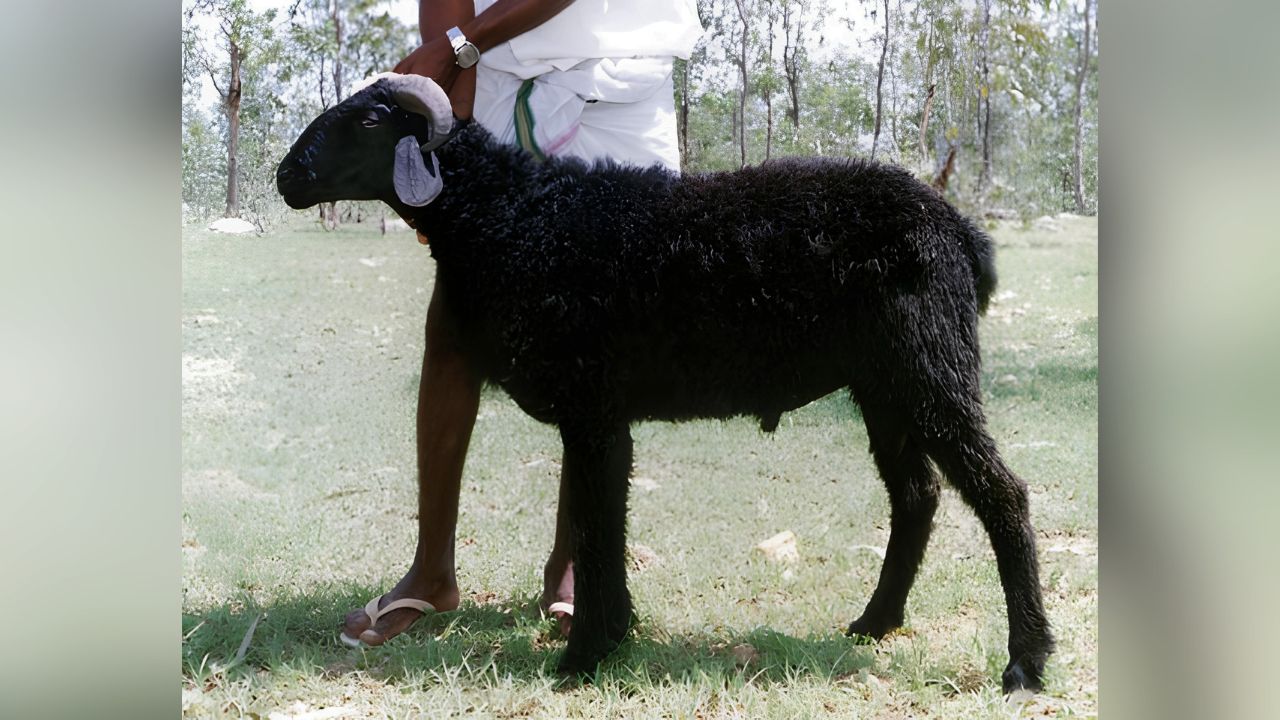
Deccani sheep.

Synopsis: Hyderabad is celebrated for its culinary culture, especially its biryani. However, the very thing that added the authentic flavour to Hyderabadi biryani — meat of Deccani sheep — is slowly disappearing from the plates. Farmers are moving away from breeding Deccani sheep due to financial constraints.
Few cities celebrate mutton with the fervour that Hyderabad does. Every weekend, long queues snake outside neighbourhood butcher shops, while giant cauldrons of biryani simmer in restaurants that serve everyone, from daily-wage workers to corporate executives. Mutton is more than a commodity here; it is an emotion woven into the city’s social fabric.
Yet, beneath the thriving trade lies an irony that deserves attention. Even as mutton consumption reaches unprecedented levels, the distinctive flavour that once defined the Hyderabadi biryani is quietly slipping away. The city continues to consume more meat, but less of the breed that gave its celebrated cuisine its unmistakable zaika (flavour).
That breed is the Deccani sheep, one of India’s oldest indigenous livestock varieties and an inseparable part of the Deccan plateau’s ecological and culinary heritage. Its gradual disappearance from the market is not merely an agricultural concern. It represents the erosion of a food culture painstakingly shaped over centuries, where geography, pastoral traditions and cuisine evolved in harmony.
Also Read: Unveiling the soul of Nizami cuisine
Every accomplished chef knows that a memorable dish begins long before the first spice is added. Ingredients determine character. No amount of culinary artistry can compensate for the absence of quality raw material. The Hyderabadi biryani owes its global reputation not only to fragrant rice, slow dum cooking and a carefully balanced blend of spices, but equally to the meat that forms its heart.
The Deccani sheep produced mutton with a firm texture, moderate marbling and a rich, earthy flavour that absorbed spices without surrendering its own identity. The result was a biryani whose aroma lingered long after the meal had ended.
Many connoisseurs argue that today’s biryani, despite being visually identical, tastes subtly different. The spices remain familiar, the cooking techniques unchanged, yet something seems missing. That “something” is often the meat itself.
Telangana possesses remarkable sheep wealth, ranking among India’s leading producers of sheep and mutton. Besides the Deccani, the Telugu states of Telangana and Andhra Pradesh are home to breeds such as Nellore and support a growing population of commercial and cross-bred sheep introduced to improve productivity.
The economics are straightforward. Commercial breeds attain market weight more rapidly, produce higher carcass yields and generate quicker returns for shepherds confronting shrinking grazing lands, erratic rainfall and rising input costs.
No rational policymaker can fault pastoral communities for responding to market incentives. Livestock rearing today is a matter of economic survival rather than sentimental attachment to native breeds.
Yet public policy must recognise that market efficiency alone cannot become the sole determinant of breeding decisions. Once an indigenous breed loses its genetic purity, restoration becomes exceedingly difficult.
The Deccani sheep is far more than a source of meat. It is an ecological asset uniquely adapted to the semi-arid conditions of the Deccan plateau. It requires comparatively fewer external inputs, withstands drought, survives on sparse grazing resources and exhibits resilience against diseases that frequently challenge exotic breeds.
These characteristics assume greater significance in an era of climate uncertainty, when resilience is becoming as valuable as productivity.
Unfortunately, livestock conservation has rarely received the same public attention as crop conservation. India has rightly celebrated indigenous varieties of rice, millet and pulses while simultaneously promoting native cattle breeds. Comparable recognition has largely eluded indigenous sheep. This imbalance demands correction.
The disappearance of the Deccani sheep would also diminish Hyderabad’s culinary identity. Around the world, successful food economies increasingly celebrate origin-specific produce. Japan protects Wagyu cattle, Spain promotes Iberian ham, France safeguards regional cheeses, and Britain markets Welsh lamb as products inseparable from their landscapes.
Consumers willingly pay premiums because authenticity carries value.
India possesses similar opportunities. Just as Basmati rice, Darjeeling tea and Alphonso mangoes have acquired geographical recognition, Deccani mutton could emerge as a premium culinary product rooted in Telangana’s pastoral traditions.
Such recognition would simultaneously conserve biodiversity, strengthen rural livelihoods and elevate the gastronomic identity.
Achieving this requires far more than symbolic declarations. Telangana needs a comprehensive indigenous sheep conservation policy centred on scientific breeding, genetic resource mapping and field-level support.
Dedicated Deccani breeding farms, semen cryopreservation facilities, genomic characterisation, community breeding programmes and incentives for shepherds who maintain pure indigenous flocks should become integral components of livestock development. Veterinary universities and research institutions must work alongside traditional pastoral communities whose practical knowledge has preserved the breed for generations.
Equally important is the creation of a market that rewards authenticity. Restaurants proudly advertising “authentic Hyderabadi biryani” should disclose the source and breed of the meat they serve.
Certification for Deccani mutton, supported by traceability mechanisms and producer cooperatives, could generate premium prices that make conservation economically viable rather than administratively imposed.
Consumers, too, have a role beyond merely demanding fresh meat. Food choices increasingly reflect ethical and environmental considerations. Asking where meat comes from and which breed it belongs to is not elitism; it is an informed exercise in preserving culinary heritage. A discerning market often succeeds where regulation struggles.
Also Read: Questions Hyderabad’s high-speed rail push leaves unanswered
The issue, therefore, extends beyond nostalgia for a vanished flavour. It concerns the relationship between agriculture, biodiversity, rural livelihoods and cultural identity. Indigenous breeds are repositories of genetic resilience developed over centuries of natural selection. Once lost, they cannot be recreated through commercial breeding programmes or imported genetics.
Hyderabad proudly proclaims itself the world capital of biryani. That reputation rests not only on celebrated recipes but also on the landscapes and livestock that sustained those recipes through generations. The aroma rising from a handi tells the story of farmers, shepherds, grazing commons and native breeds as much as that of spices and skilled cooks.
Cities often assume that heritage survives in monuments, museums and old buildings. Yet some of the most enduring legacies are carried silently in seeds, soils and livestock.
The Deccani sheep is one such inheritance. If it vanishes, Hyderabad may still produce excellent biryani, but something elemental will have been lost. The city would retain the recipe while surrendering its soul.
Conserving the Deccani sheep is, therefore, not merely about protecting an indigenous breed. It is about ensuring that the next generation inherits not just the memory of Hyderabad’s celebrated zaika, but its authentic taste.
(Views are personal.)



