

Published Nov 27, 2026 | 7:25 PM ⚊ Updated Nov 27, 2026 | 7:33 PM

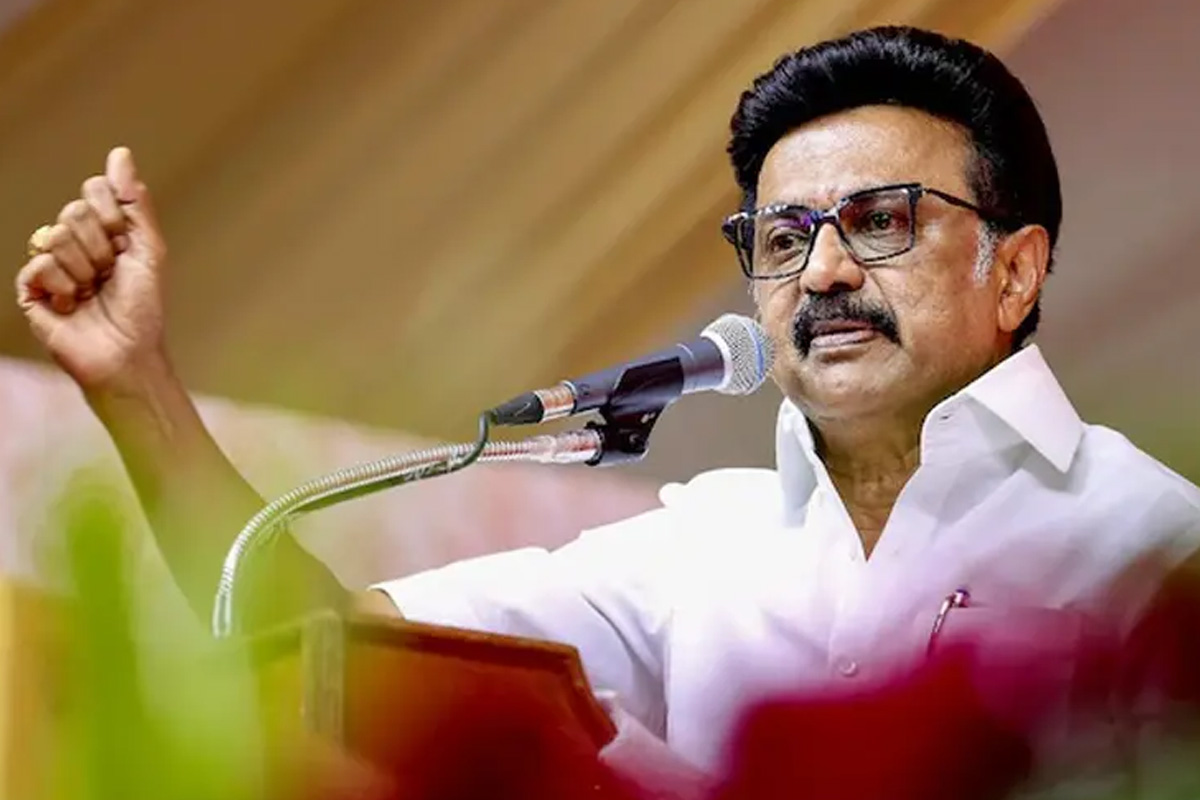
DMK president and former Tamil Nadu Chief Minister MK Stalin.

Synopsis: With the Centre reportedly considering amendments to accommodate the DMK’s demands on delimitation, political attention is focused on Stalin’s next move. A crucial meeting of DMK MPs on 28 November is expected to determine whether the party will support the proposed Bill ahead of the 30 November special parliamentary session.
With a special parliamentary session scheduled to begin on 30 November to introduce amendments related to the delimitation of constituencies, one question is dominating political discussions in Tamil Nadu: Will the DMK support the proposed Bill?
Amid growing speculation over the party’s stand, DMK president and former Tamil Nadu Chief Minister M K Stalin, parliamentary party leader Kanimozhi Karunanidhi and other senior party leaders held a series of discussions on the party’s next course of action at Stalin’s residence on the morning of 27 November.
At around 12.30 pm, Stalin dismissed speculation that the DMK was considering supporting the delimitation Bill in a statement on social media.
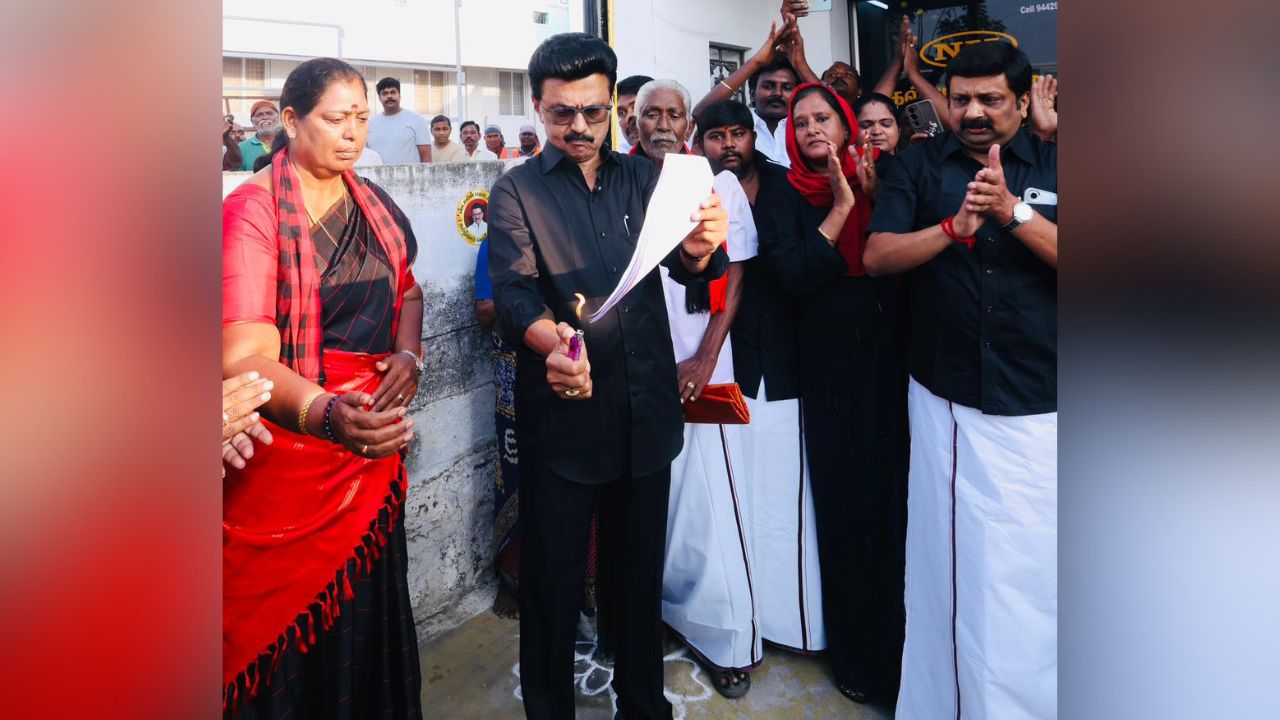
Then Tamil Nadu Chief Minister MK Stalin seen burning a copy of the delimitation Bill. (File Photo | Special Arrangement)
Stalin also recalled that the DMK had consistently advocated fair delimitation, both in the resolution adopted by the Tamil Nadu Legislative Assembly and in the decisions taken at the Joint Action Committee meetings. He asserted that the party would continue to abide by those decisions while determining its future course of action.
The DMK chief also laid down two key demands:
The Union Cabinet on Friday cleared a fresh delimitation Bill on Friday. It reportedly incorporates key demands raised by the DMK, including freezing the existing proportion of parliamentary representation for another 25 years and increasing the total number of seats by 50 per cent across all States.
Sources within the DMK suggested that Kanimozhi had already been informally apprised of the developments concerning the Union government’s proposed changes.
According to these sources, Kanimozhi may have subsequently briefed Stalin on the developments during their meeting at his residence.
She is yet to receive the draft Bill, but sources indicate that it is likely to be shared with her later tonight or tomorrow.
However, despite these reported developments, whether the DMK should support the Bill remains a matter of discussion within the party, sources indicated.
Also Read: Explained: The southern challenge facing the Centre’s delimitation Bill
Despite Stalin’s public statements, the DMK has convened a meeting of its Lok Sabha and Rajya Sabha MPs on 28 November.
Former MP and DMK spokesperson TKS Elangovan told South First that the party would examine the new Bill before taking a final position.
“If our demands are addressed and Tamil Nadu and other southern States are not disadvantaged, we would be ready to accept the proposal,” he said.
The DMK is also understood to be wary of how the TVK and other Opposition parties might portray its position on the delimitation issue.
Criticism of the party has already been mounting, with its political opponents accusing it of betraying Tamil Nadu’s interests and preparing to compromise with the BJP.
(Edited by Dese Gowda)



