


Petitioners objected to animal sacrifices and food offerings at the Sikandar Badhusha Dargah atop Thirupparankundram Hill, claiming the January ceremony hurt Hindu sentiments linked to the nearby Subramaniya Swamy Temple

Published Jun 24, 2025 | 11:02 PM ⚊ Updated Jun 24, 2025 | 11:02 PM

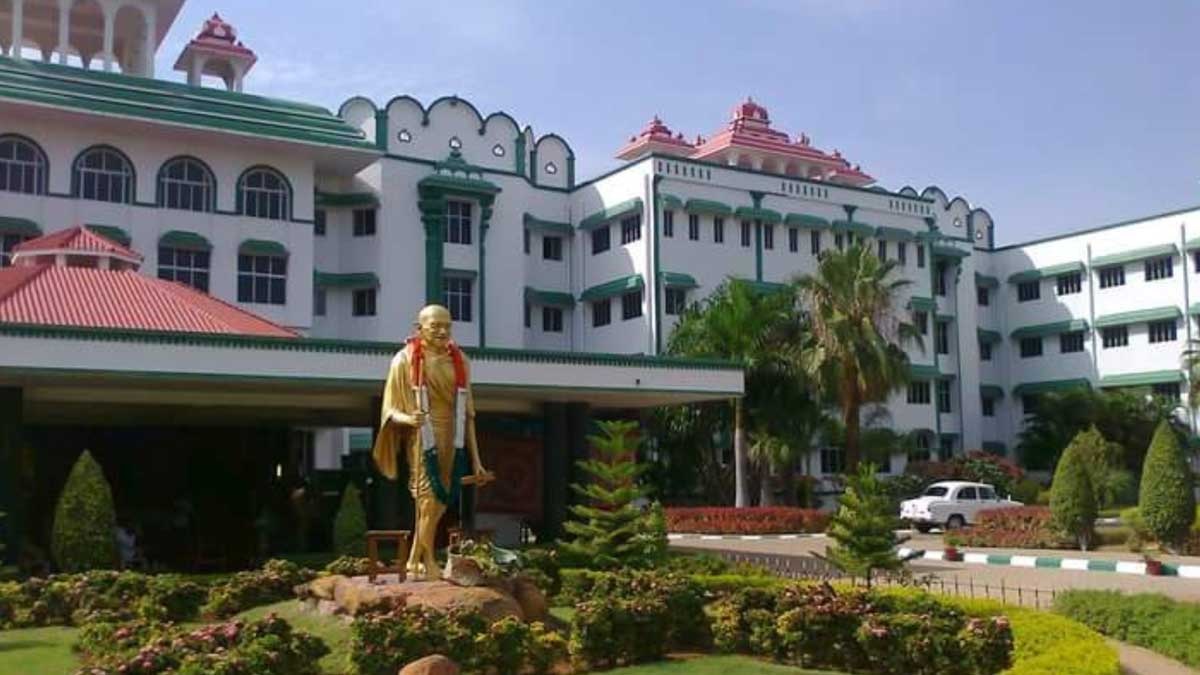
Split verdict in Madurai’s Thirupparankundram Sikandar Badhusha Hill case; matter referred to third judge
Synopsis: A split verdict by the Madurai Bench of the Madras High Court in the Sikandar Badhusha Dargah case has led to the matter being referred to a third judge. The case, centered on religious practices, nomenclature, and preservation at Thirupparankundram Hill, saw Justice Nisha Banu dismiss all petitions, while Justice S. Srimathy issued contrasting directives, prompting further review
The ongoing legal dispute over the Sikandar Badhusha Dargah at Thirupparankundram Hill in Madurai has taken a new turn, as a split verdict by the Madurai Bench of the Madras High Court has led to the matter being referred to a third judge for final adjudication.
The case, which revolves around religious practices, nomenclature, and preservation efforts at the sacred hill, was heard by a bench comprising Justices Nisha Banu and S. Srimathy.
While Justice Nisha Banu dismissed all petitions, Justice Srimathy issued a separate opinion with several directives, prompting the Chief Justice to assign the matter to a third judge for resolution.
The Public Interest Litigations (PILs) were filed by petitioners including Ramalingam, Paramasivam, and Kannan from Madurai, and Abdul Jaffar from Thirupparankundram.
The petitions raised concerns over religious practices at the Sikandar Badhusha Dargah, located atop the Thirupparankundram hill, which also houses the historic Subramaniya Swamy Temple.
The petitioners alleged that during a ceremony at the Dargah in January, animal sacrifices—specifically of goats and chickens—were conducted and meals were served, offending the religious sentiments of Hindu devotees.
They also objected to the use of the name “Sikandar Hill,” claiming it undermined the cultural and spiritual significance of the ancient site, which includes the Umaiyandar cave temple and several sacred teerthams.
While some petitions sought to bring the hill under the control of the Archaeological Survey of India (ASI), others demanded basic amenities and protection for Muslim worshippers visiting the Dargah.
During the hearings, the Tamil Nadu state government urged the court to consider the matter in light of communal harmony.
Justice Nisha Banu, siding with the government’s position, dismissed all petitions. In contrast, Justice S. Srimathy issued a detailed and contrasting order, including the following directions:
Justice Srimathy also called for vigilance and firm action against individuals or organisations attempting to incite communal tension or disturb peace in the region.
With the bench delivering a split verdict, the case will now be placed before a third judge, whose decision will be considered final. The Chief Justice is expected to assign the case shortly.
Until then, authorities have been instructed to maintain law and order and ensure no harm comes to the heritage, ecology, or communal harmony of the Thirupparankundram hill area.
(Edited by Ananya Rao with inputs from Subash Chandra Bose)


