

Published Aug 20, 2026 | 11:40 AM ⚊ Updated Aug 20, 2026 | 11:40 AM

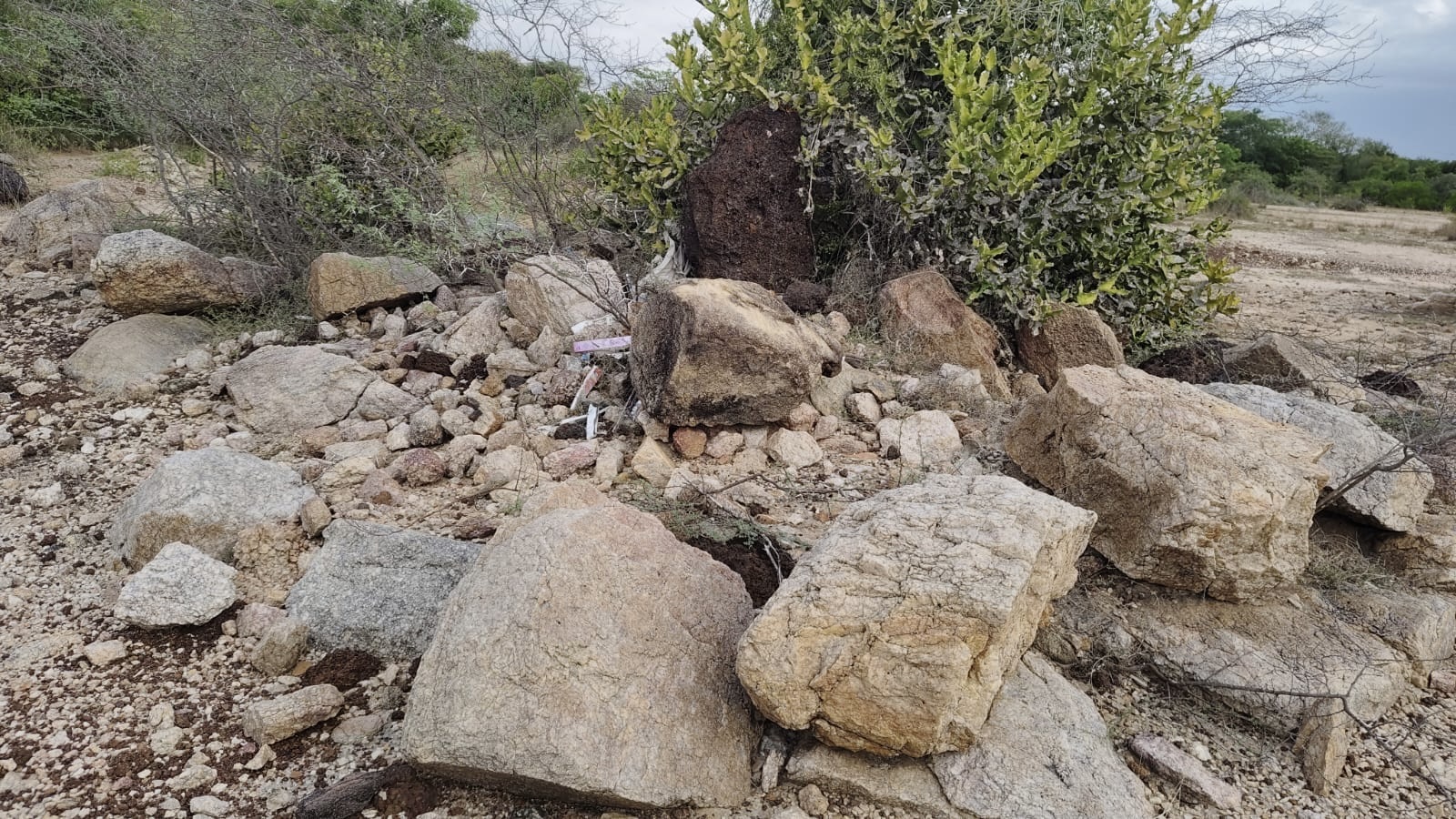
The site, in the northern part of Pravalur and south of the Kadambankudi tank.

Synopsis: Megalithic burial remains, including stone circles and urn burials, have been identified at Pravalur village in Sivaganga district after soil erosion exposed them. The site, discovered by local residents and subsequently reported to the district archaeology authorities, also contains menhirs, black-and-red pottery fragments and iron slag, indicating a burial site from more than 3,000 years ago.
Megalithic burial remains, including stone circles and urn burials, have been identified on a mound at Pravalur village near Okkur in Sivaganga district after soil erosion exposed several of the remains on the surface.
The site, in the northern part of Pravalur and south of the Kadambankudi tank, also has two menhirs, fragments of black-and-red pottery, iron slag and quartz stones. A dry stream runs close to the mound.
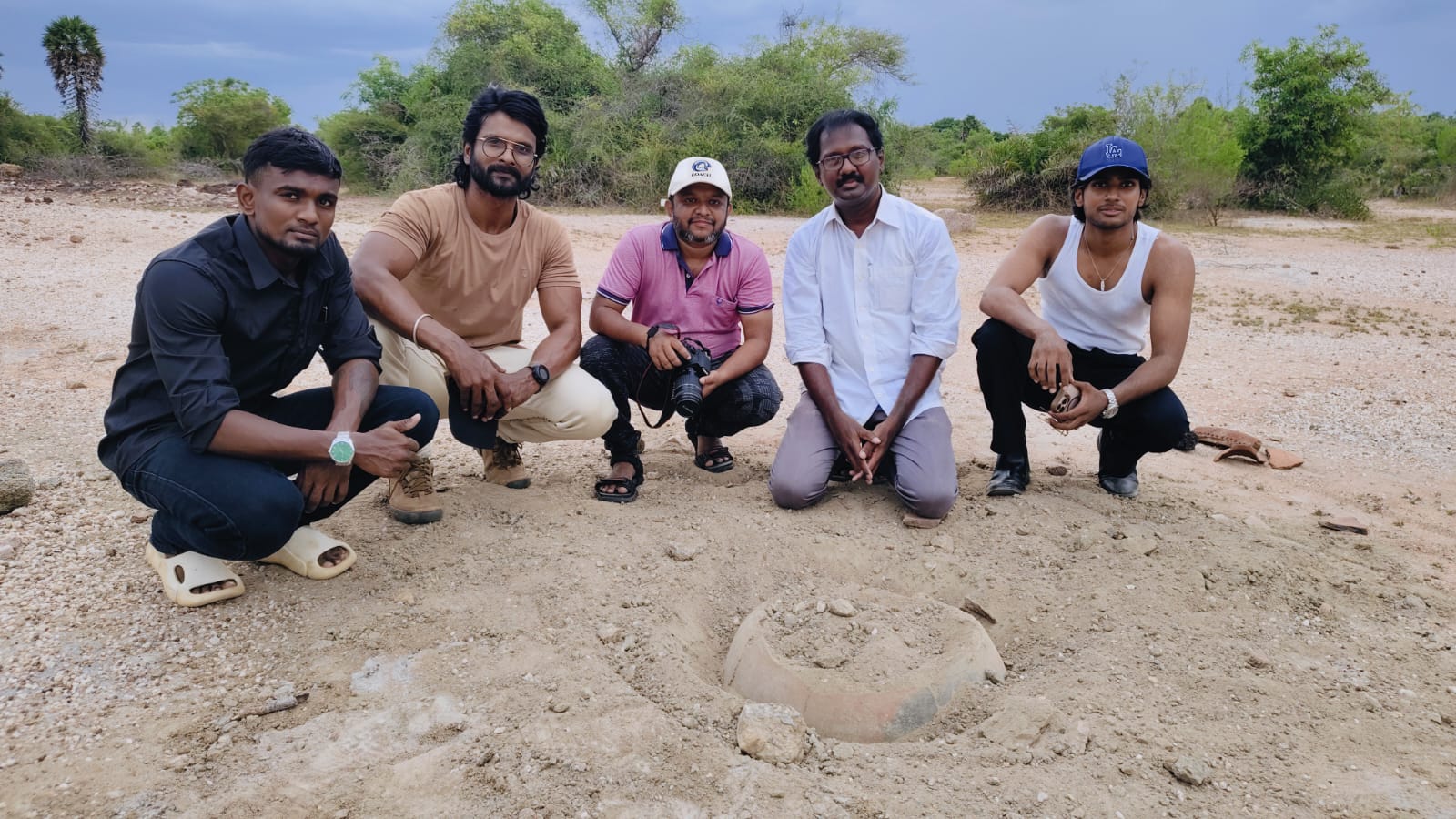
Pravalur residents Saravanan, Ajay, and their friends Mathichelvan, Senthur, Balasubramanian and Mani.
Information about the discovery has been conveyed to the Sivaganga district archaeology authorities.
Pravalur residents Saravanan and Ajay, former students of Alagappa Government Arts College, and their friends Mathichelvan, Senthur, Balasubramanian and Mani alerted archaeologists to the remains. Dr Velayutharaja, Associate Professor in the Department of History at Alagappa Government Arts College, subsequently conducted a field study at the site.
The stone circles, urn burials and other material found on the mound point to a Megalithic-period burial site dating back more than 3,000 years.
Also Read: Village of widows: Women pay the price for Puducherry’s alcohol-dependent economy
The presence of iron slag has added another dimension to the discovery. It raises the possibility that iron was smelted and tools manufactured in or around the area, and that a habitation associated with the community that used the burial ground may have existed nearby.
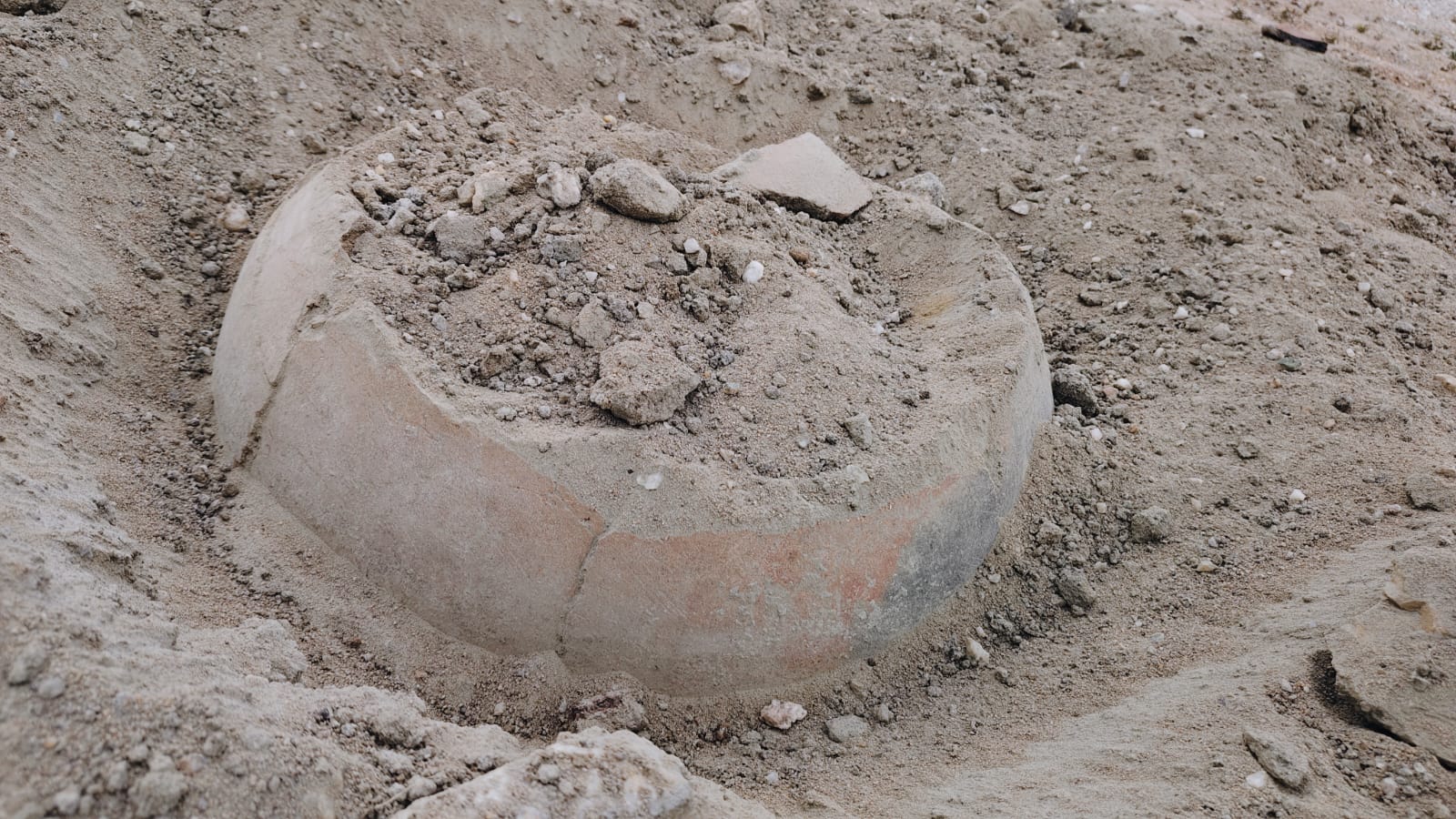
A detailed investigation of the mound and its surroundings could provide further information about the burial site,
A detailed investigation of the mound and its surroundings could provide further information about the burial site and the people who lived in the area, Dr Velayutharaja said.
The burial remains form part of the wider Megalithic tradition of South India, an important component of its Iron Age culture. Communities of this period used different forms of monuments to mark burials.
The dead or their skeletal remains, along with burial objects, were often placed inside large pottery urns and covered with lids. In other instances, stones or heaps of stones were placed over the burials.
Tamil Nadu preserves a wide range of such monuments, including dolmens, pit burials, urn burials, sarcophagi, rock-cut tombs, umbrella stones, capstones, menhirs, anthropomorphic stone figures, stone circles and cairns.
Adichanallur, Sanur, Kodumanal, Thandikudi, Porunthal and Mayiladumparai are among the State’s important Megalithic sites.
(With inputs from Subash Chandra Bose)



