


Haasan’s political party, Makkal Needhi Maiam (MNM), had allied with the DMK-led coalition for the 2024 Lok Sabha elections. According to the alliance agreement, Chief Minister MK Stalin is said to have assured a Rajya Sabha seat for MNM.

Published Feb 13, 2025 | 10:32 AM ⚊ Updated Feb 13, 2025 | 10:32 AM

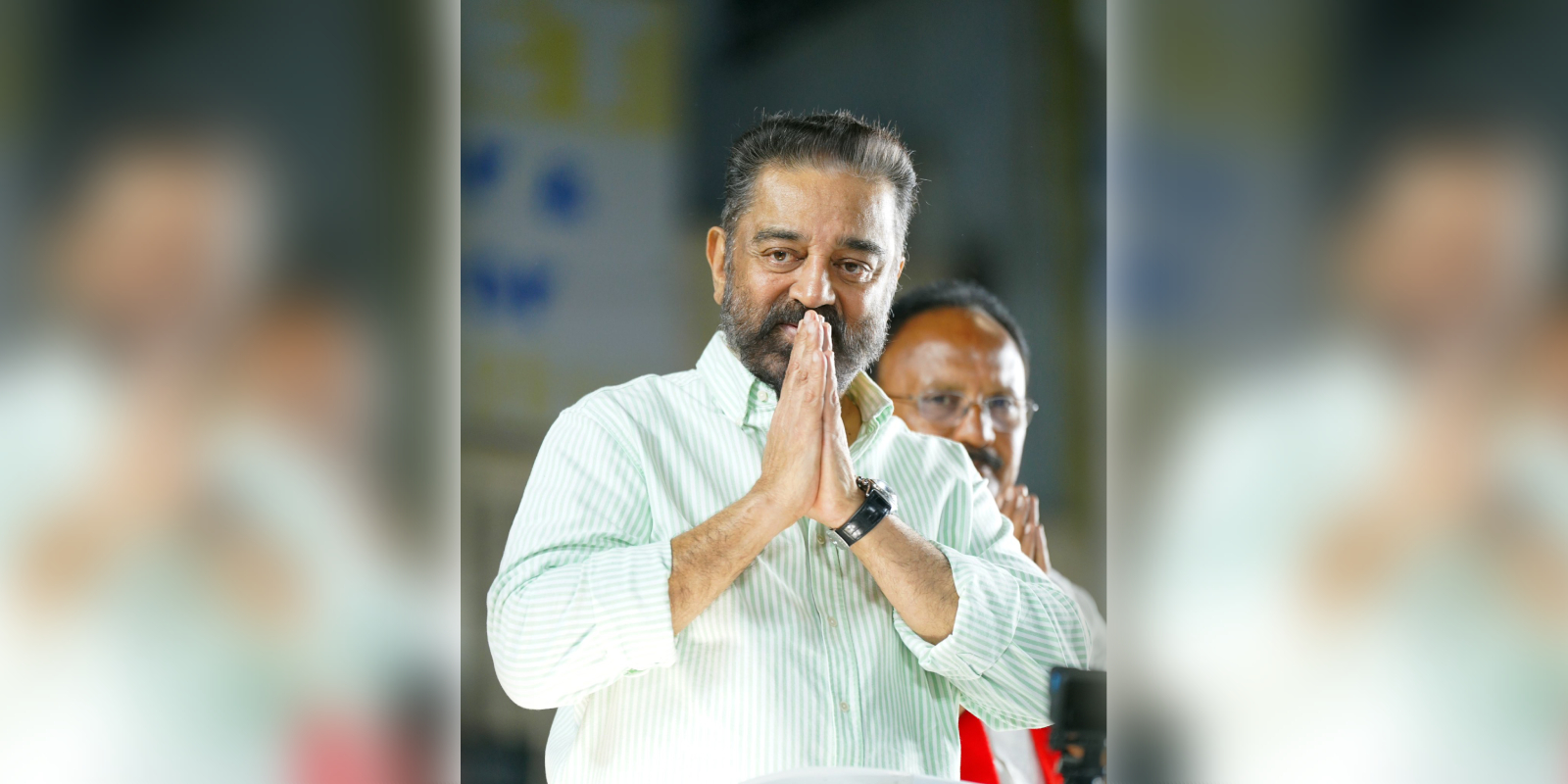
Kamal Haasan. (X)
Synopsis: Sources close to the DMK in Tamil Nadu said the party is set to nominate actor-turned-politician Kamal Haasan to the Rajya Sabha in the upcoming elections. The move is part of the alliance agreement that the DMK had made with the actor’s party MNM.
The ruling DMK in Tamil Nadu is set to nominate actor-turned-politician Kamal Haasan to the Rajya Sabha in the upcoming elections scheduled for July 2025, sources close to the party confirmed to South First, on Thursday, 13 February.
Tamil Nadu Minister for Hindu Religious and Charitable Endowments PK Sekar Babu reportedly met Haasan at his residence on Wednesday, adding credence to the speculation.
Haasan’s political party, Makkal Needhi Maiam (MNM), had allied with the DMK-led coalition for the 2024 Lok Sabha elections. According to the alliance agreement, Chief Minister MK Stalin is said to have assured a Rajya Sabha seat for MNM.
The veteran actor actively campaigned for DMK candidates in the general elections, reinforcing his commitment to the alliance.
Haasan had emphasised during the election campaign that his party partnered with the DMK-led alliance in the nation’s interest, without any expectations of securing positions.
With six Rajya Sabha seats from Tamil Nadu set to fall vacant in June, Haasan’s nomination is now being considered as part of the alliance’s commitment, sources said.
An official announcement regarding Haasan’s nomination is awaited from the DMK leadership.
Haasan launched his party in 2018 amid much fanfare and declared that it would have a ‘centrist’ outlook. The party contested the 2019 Lok Sabha elections and the 2021 Assembly polls by itself, but was routed in the hustings as the DMK-led bloc emerged victorious on both occasions.
(With inputs from Subash Chandra Bose.)


