


The court expressed displeasure over the repeated filing of cases against Shankar, observing that he appeared to be repeatedly targeted for expressing dissent.

Published Dec 26, 2025 | 5:55 PM ⚊ Updated Dec 26, 2025 | 5:55 PM

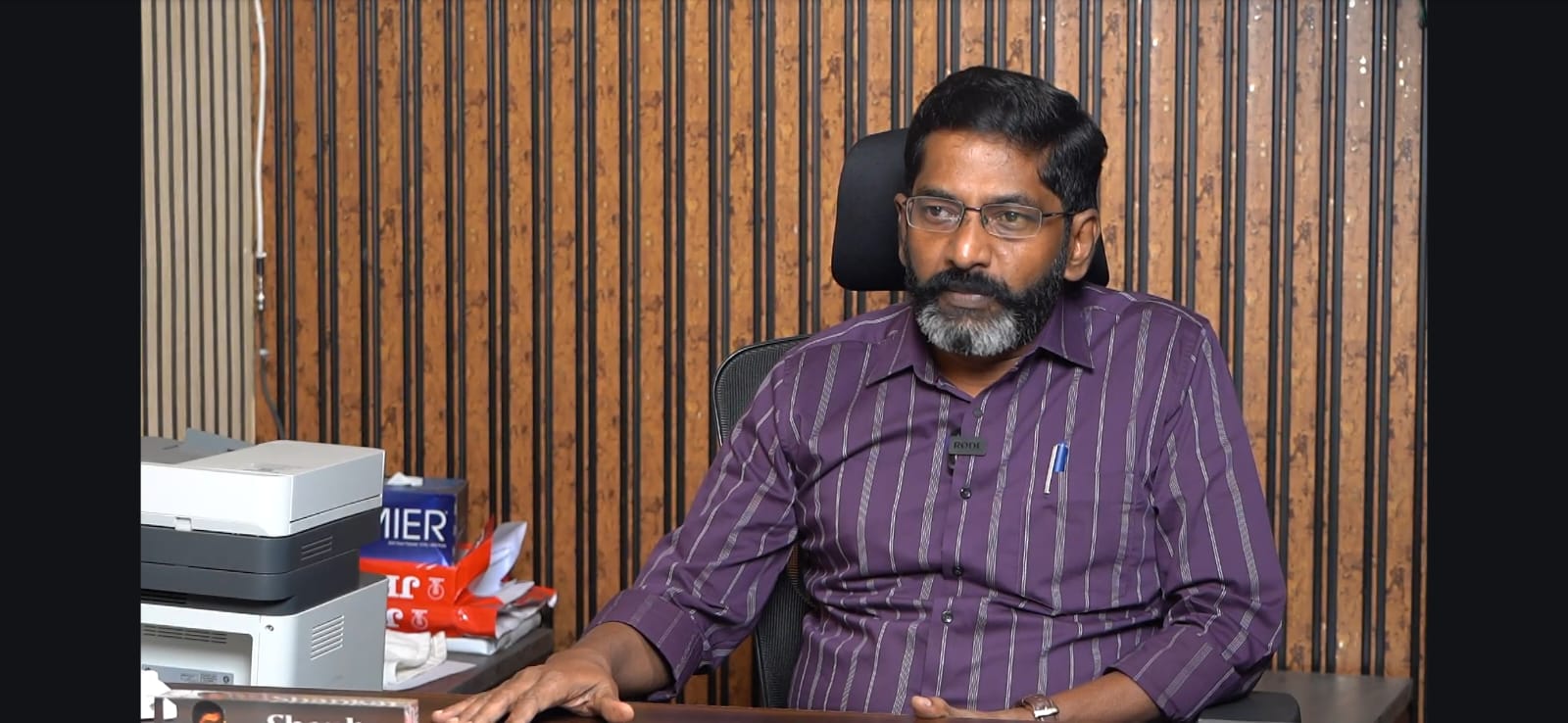
Savukku Shankar
Synopsis: The Madras High Court has granted interim bail to journalist Savukku Shankar, citing his medical condition and “the repeated curtailment of his liberty” in a case in which he is accused of assault and extortion. The court criticised the Tamil Nadu Police, observing that Shankar appeared to be repeatedly targeted for expressing dissent and that the circumstances of his arrest pointed to an abuse of power.
The Madras High Court on Friday, 26 December, granted interim bail to journalist and YouTuber Savukku Shankar, LiveLaw reported.
The court said the decision was taken after considering submissions regarding his medical condition and the “repeated curtailment of his liberty”. Shankar was arrested earlier this month on allegations of assault and extortion made by a film producer.
A Division Bench of Justices SM Subramaniam and P Dhanabal ordered that Shankar be released on interim bail until 25 March 2026. The Bench strongly criticised the Tamil Nadu Police, observing that Shankar appeared to be targeted for exercising his right to dissent.
“Why are you running behind journalists? Dissent is a democratic right. In the Legislative Assembly, dissent is respected. If anyone expressing dissent is harassed, you’re going against the Constitution,” the court said.
The matter was heard on a petition filed by Shankar’s mother, Kamala, seeking temporary bail for her son to enable medical treatment.
Another petition sought a direction restraining prison authorities from isolating him or subjecting him to solitary confinement.
Shankar was arrested from his residence on 13 December and booked under various sections of the Bharatiya Nyaya Sanhita. The prosecution alleged that he had extorted money from a film producer.
Shankar’s mother alleged that an employee of Shankar’s media company had received ₹94,000 through UPI from an unknown person a day before the arrest.
She said that even as the employee was preparing to file a complaint regarding the suspicious transfer, the police allegedly arrived at Shankar’s residence and arrested him. The defence argued that it was an orchestrated trap to falsely implicate Shankar in a fabricated criminal case.
The court expressed displeasure over the State’s repeated filing of cases against Shankar.
It said the nature of the allegations and the circumstances of the arrest raised “a suspicion about the abuse of power by the authorities” and warned that the law should not be used to target individuals.
The court also observed that if authorities believed baseless allegations were being made, the appropriate remedy lay in civil law, not in filing criminal cases.
“Some people would talk. Go file a defamation case, get an injunction. No one is preventing you. If you touch upon personal liberty, it interferes with fundamental principles of the Constitution,” the court said.
“Law should not be used to target specific individuals falling out of favour from authorities. Repeated clamping shown to the individual will not send a right signal to the citizen of the country.”
(Edited by Dese Gowda)


