

Published Oct 19, 2026 | 7:06 PM ⚊ Updated Oct 19, 2026 | 7:06 PM

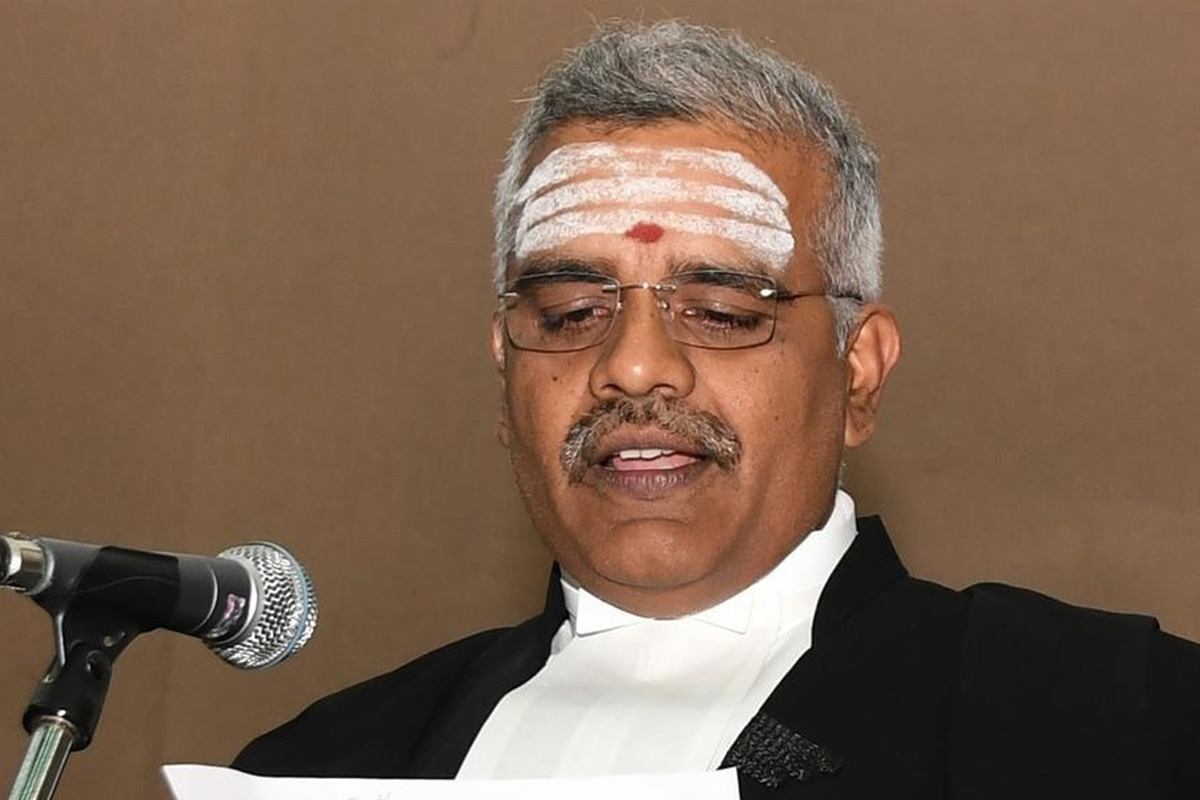
Justice N. Anand Venkatesh made observations on COVID-era matrimonial disputes.

Synopsis: A Madras High Court judge has flagged a pattern in COVID-era matrimonial disputes, noting that more than 95% of the cases that had come up before him since July 2026 involved couples who had lived together for just six to nine months.
For some couples, the pandemic’s test of togetherness may have lasted only three months. The legal battles that followed, however, may have proved far more enduring.
The Madras High Court has flagged an unusual pattern in matrimonial disputes coming before it: couples married around the COVID-19 years lived together for barely a few months before their disputes reached the courtroom.
In an order dated October 16, 2026, Justice N Anand Venkatesh noted that, in almost every matrimonial dispute that had reached him over the preceding few months (July–October 2026), the parties had married between 2019 and 2022. In more than 95% of those cases, the couples had lived together for just six to nine months, while some had lived together for only three months.
The judge linked this pattern to the extraordinary circumstances of the pandemic, suggesting that the lockdown may have left a lasting imprint on marital relationships.
The observation raises an uncomfortable question: what happens when a period meant to bring families together instead exposes the fault lines in a relationship?
The judge observed that the coronavirus had not only taken human lives but had also affected the institution of marriage.
With couples confined to their homes during the lockdown, the best and worst aspects of their characters came to the fore. At the same time, anxiety about the future and the pressure of living through an unprecedented crisis directly affected marital relationships, according to the court.
Instead of treating these cases as ordinary matrimonial disputes, Justice Venkatesh suggested that those arising from the pandemic years should be considered as a separate category.
The court called for “out-of-the-box thinking” to find a different way of resolving them, taking into account that many of these couples had lived together for only a few months while navigating extraordinary circumstances.
To explore that possibility, the High Court has directed all Principal District Judges across Tamil Nadu to collect data from Family Courts and other courts handling matrimonial disputes involving marriages solemnised between 2020 and 2022.
Once the information is placed before the court, the judge intends to seek assistance from lawyers with substantial experience in Family Court disputes and examine whether alternative solutions can help resolve these cases amicably.
The court expressed confidence that such an initiative could have a positive impact and help bring families back together.
The observations came in a civil revision petition challenging an order of the Sub Court, Alandur, fixing interim maintenance at ₹10,000 a month.
While the High Court declined to interfere with the maintenance order, it directed the petitioner to pay the outstanding arrears within four weeks of receiving a copy of the order. The court also instructed the Alandur Sub Court to dispose of the original matrimonial petition, filed in 2023, within four months of receiving the order.
The judge then turned to the wider pattern he had noticed in matrimonial disputes and initiated the proposed statewide data exercise.
The matter has been listed for November 27, 2026, at 2.15 pm, for the filing of a report.
Also Read:
Village of widows: Women pay the price for Puducherry’s alcohol-dependent economy
South divide on early matrimony: From 40% child marriage in AP to 20% teen motherhood in Telangana
In South India, more women are widowed, divorced or separated than the national average
(Edited by R Rajesh Kumar.)



