

Published Jun 29, 2026 | 2:49 PM ⚊ Updated Jun 29, 2026 | 2:49 PM

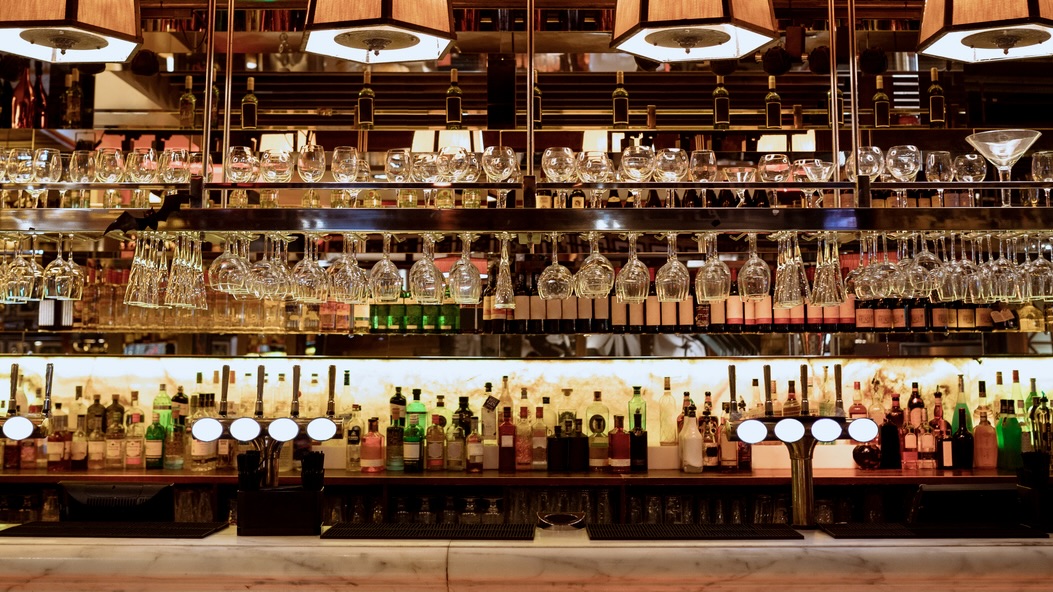
The Tamil Nadu Hotel (Bar) and Club Owners Association has strongly criticised the hikes.

Synopsis: The Tamil Nadu government has introduce a steep hike—in some cases doubling—the liquor licence privilege fee for liquor licences, with the revised rates applied from 1 April 2026. The Tamil Nadu Hotel (Bar) and Club Owners Association says the increase will raise operating costs, push many businesses into financial difficulty and force a steep rise in prices. It says consumers will ultimately bear the higher costs.
The Tamil Nadu government’s decision to introduce a steep hike—in some cases doubling—the liquor licence privilege fee has triggered strong opposition from bar and club owners across the state. Industry representatives say the move could push businesses into financial distress and eventually lead to higher prices for consumers.
The hike was introduced through an amendment to the Tamil Nadu Liquor (Licence and Permit) Rules, 1981, notified in an Extraordinary Gazette on 25 June. The revised fee structure has been given retrospective effect from 1 April 2026.
Under the revised fee structure, Chennai liquor licence holders will now pay an annual privilege fee of ₹30 lakh, up from ₹15 lakh earlier.
The government has also replaced the earlier flat rate of ₹10 lakh for the rest of the state with a population-based structure. Under the new system, corporations with a population above 10 lakh will pay ₹25 lakh, those with a population below 10 lakh ₹20 lakh, municipalities ₹15 lakh and other areas ₹10 lakh.
The application fee remains unchanged at ₹10,000, while the licence fee continues to be ₹30,000.
Also Read: AIADMK Karur MLA MR Vijayabhaskar resigns from Tamil Nadu Assembly
The Tamil Nadu Hotel (Bar) and Club Owners Association (TANBAC) has strongly criticised the hikes, asking whether the government intends to make it impossible for liquor operators to continue doing business.
“We do not know whether the government wants us to completely walk away from this business. The increase is becoming impossible for many operators to manage,” TANBAC President Dr Benze Saravanan told South First.
Saravanan said Tamil Nadu has more than 6,000 FL2 licence holders operating across the state, contributing significantly to government revenue through alcohol procurement.
Under Tamil Nadu’s liquor licensing system, FL1 licences are issued for wholesale distribution of Indian Made Foreign Liquor (IMFL), while FL2 licences are issued to bars, clubs and standalone outlets serving alcohol for on-premise consumption. FL3 licences are granted primarily to star hotels, while FL3A licences are issued to clubs and recreational institutions to serve liquor to members and guests.
According to Saravanan, the state earns nearly ₹180 crore every month from procurement linked to these establishments, amounting to about ₹2,100 crore annually.
Even so, he said operators have been struggling to sustain their businesses even under the previous fee structure.
“To pay the earlier ₹15 lakh licence fee, we already had to set aside nearly ₹1.5 lakh every month. Even managing that has become difficult. On top of that, we are paying electricity charges, employee salaries, rent and other operational expenses. We are already struggling to keep the business running,” he said.
He added that businesses also operate under strict time restrictions, leaving them with limited scope to recover costs.
Saravanan noted that the privilege fee has risen steadily over the last decade from just ₹4 lakh in 2016.
“Within just ten years, it has now touched ₹30 lakh. The increase has been massive and operators are finding it difficult to cope,” he said.
Saravanan also pointed to differences between licence categories, saying FL3 licence holders pay lower fees while enjoying greater operational flexibility.
“FL3 licence holders pay around ₹6 lakh in fees and receive extended operating time concessions. But FL2 licence holders do not receive any such benefits. We strictly follow the 11 am to 11 pm operating restriction. Without giving us even minimum concessions, increasing fees like this will only push businesses into losses,” he said.
According to the TANBAC, the fee structure does not reflect the realities faced by businesses that already operate under heavy regulation.
It also warned that the increased financial burden could eventually be passed on to consumers, with rising operating costs forcing outlets to increase retail prices to remain viable.
“A beer that is currently purchased at ₹200 is already being sold at around ₹400 in outlets. Because of the increased licence fee burden, we may now have to sell that same beer at ₹600 if we are expected to survive this increase,” Saravanan said.



