

Published Feb 15, 2024 | 4:00 PM ⚊ Updated Feb 15, 2024 | 4:00 PM

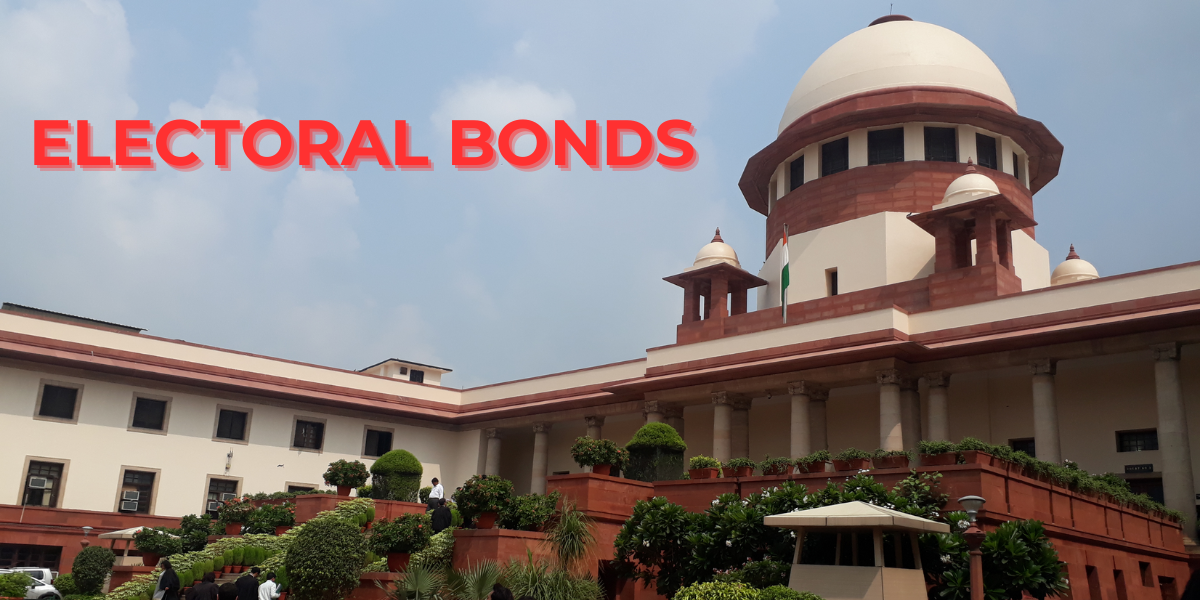
Matched details on electoral bonds showing who donated to which political party.

The Supreme Court on Thursday deemed the electoral bonds scheme as unconstitutional before striking it down. The move is seen by many as a huge victory for electoral transparency.
Electoral bonds scheme was introduced under the Narendra Modi government as a mode of funding to political parties. Incidentally, the BJP has been the biggest beneficiary of funding through electoral bonds.
A five-judge Constitution Bench of the Supreme Court, on Thursday, 15 February, delivered a landmark verdict annulling it.
Here is the chronology of events in the case related to the validity of the Electoral Bonds Scheme.
2017: The Electoral Bonds Scheme was introduced in the Finance Bill.
14 September, 2017: NGO Association for Democratic Reforms, lead petitioner, moves the Supreme Court, challenging the scheme.
3 October, 2017: Supreme Court issues notices to the Union government and Election Commission based on a PIL filed by the NGO.
2 January, 2018: The Union government notifies the Electoral Bonds Scheme.
7 November, 2022: The Electoral Bonds Scheme was amended to increase the sale days from 70 to 85 in a year, where any Assembly election may be scheduled.
16 October, 2023: A Supreme Court Bench, headed by Chief Justice of India DY Chandrachud, refers pleas against the scheme to a five-judge Constitution Bench.
31 October, 2023: The five-judge Constitution Bench, headed by CJI D Y Chandrachud, commences hearing on pleas against the Electoral Bonds Scheme.
2 November, 2023: The Supreme Court reserves verdict.
15 February, 2024: The Supreme Court delivers a unanimous judgement annulling the scheme, saying it violates the constitutional right to freedom of speech and expression, as well as the right to information.
(Disclaimer: The headline, subheads, and intro of this report along with the photos may have been reworked by South First. The rest of the content is from a syndicated feed, and has been edited for style.)



