
Published Aug 05, 2026 | 7:00 AM ⚊ Updated Aug 05, 2026 | 7:00 AM

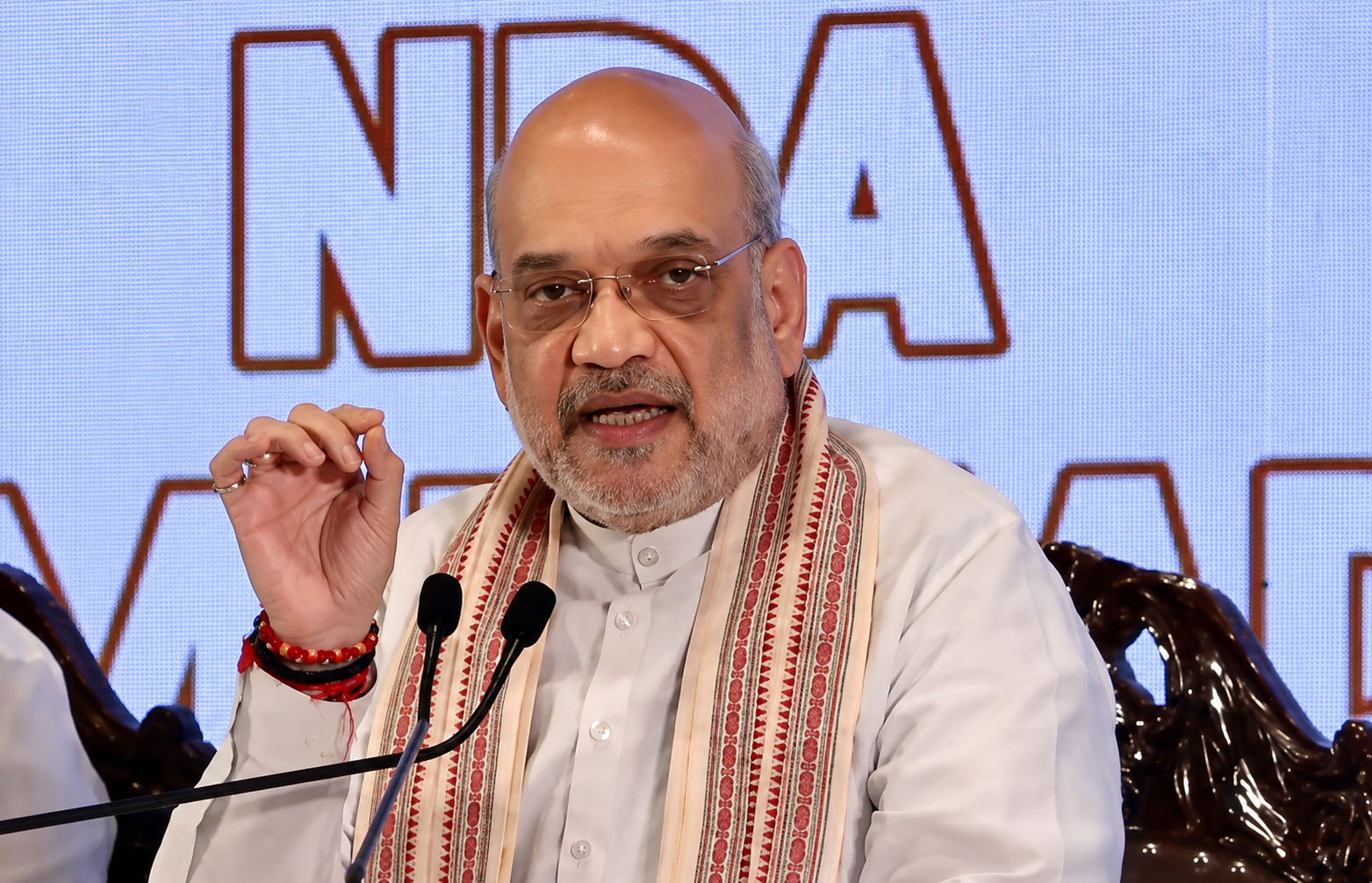
Union Minister Amit Shah.

Synopsis: The NDA government was sensible in deciding that the women’s reservation and delimitation bill could wait. It was driven by cold numbers and not by the impact of the Gen Z movement that led to the resignation of then Education Minister Dharmendra Pradhan.
The government’s decision to keep the women’s reservation and seat-redrawing proposals out of the current monsoon session of Parliament is deliberate and sensible. It follows the clear defeat of the Constitution (131st Amendment) Bill, 2026, along with the Delimitation Bill, 2026 and the Union Territories Laws (Amendment) Bill, 2026, in the special session held on April 17 this year. By leaving these bills off the agenda, the Centre has chosen political wisdom over another public confrontation.
The monsoon session, which began on July 20 and is scheduled to end on August 13, has instead focused on a shorter list of legislation. This choice shows that the path to one-third seats for women and a larger Lok Sabha remains blocked by serious regional worries rather than by any sudden wave of youth protest.
What happened in April remains the key to understanding the present silence. The government tried to speed up the 2023 law that promises one-third of seats in the Lok Sabha and State Assemblies for women. That law had linked the reservation to a new population count and a full redrawing of constituencies. The April package sought to remove that delay. It would have allowed the redrawing to be done using the older 2011 population figures and raised the total number of Lok Sabha seats from 543 to around 850. The stated aim was to make the women’s quota work from the 2029 general election itself rather than waiting until 2034.
Opposition parties, especially those from the southern States, saw the move as an attempt to change the balance of power between States under the cover of helping women. The main constitutional change needed two-thirds support in the House. It received only 298 votes in favour and 230 against. Once that central bill failed, the government withdrew the related bills on delimitation and Union Territories.
Southern States continue to fear that any fresh allocation of seats based purely on population numbers will reduce their relative share of voices in Parliament, even if the absolute number of seats for them goes up modestly. Northern States with faster population growth would gain more seats and greater weight. These fears go to the heart of how power is shared in the Indian Union.
The long freeze on changing the number of seats for each State was introduced in the mid-1970s precisely so that States which controlled their population growth would not lose political influence. Any attempt to end that freeze without wide agreement risks reopening old wounds and deepening distrust between regions. The government appears to have understood that pushing the same package again in the monsoon session would only have produced another parliamentary stalemate and more tension between the Centre and the States.
Suggestions that the hold is mainly the result of a “Gen Z movement” or widespread street anger among the young overstate the case. Younger citizens have shown clear impatience with the long delay in giving women more seats and with what they see as excessive central control over federal matters. Their voices have added energy to the public conversation. But the decisive resistance in April came from political parties inside Parliament and from State governments that felt their influence was under direct threat.
Youth mobilisation can make such concerns louder and more visible, yet it did not create the hard numbers problem that defeated the bill. The arithmetic in the Lok Sabha remains difficult for any constitutional amendment that lacks broad cross-party support.
The Bharatiya Janata Party’s caution therefore rests on practical politics rather than on any lack of commitment to women’s representation. Changing the Constitution needs not only enough votes in the Lok Sabha but also a measure of acceptance across parties and States if the changes are to work smoothly later. Bringing back an unchanged package in the monsoon session would have risked another public defeat or a hollow victory followed by court challenges, prolonged uncertainty, and lasting bitterness between regions.
By keeping the proposals off the list of bills for this session, the government has given itself time to improve the plan. The most important refinement would be to separate the women’s quota from any immediate increase in the total number of seats. Another useful step would be to add clear protections that safeguard the relative share of States that have succeeded in slowing population growth through better health and education policies.
Giving women one-third of the seats remains a constitutional promise that should not be delayed further. Redrawing constituencies according to the latest population figures is also necessary in the long run if every vote is to carry roughly equal weight. But the two reforms need not be tied together in a single package. A simple change that allows the women’s quota to begin within the present 543 seats, by rotating the reserved constituencies after each election cycle, would deliver gender justice without reopening the entire map of federal power. A separate and more patient discussion on the future size of the Lok Sabha and the fair share of each State can wait until newer and more complete population data are ready. That separation would show that the government values both fair representation for women and fairness between the States.
The silence on this issue in the monsoon session is therefore not a rejection of reform or a sign of weakness. It is a recognition that lasting constitutional change needs more than voting strength on a particular day. It needs broad political acceptance across India’s different regions and political traditions. Until that acceptance is carefully rebuilt through consultation and compromise, patience remains the wiser path. The government still has the opportunity to return with a cleaner, more carefully balanced proposal that advances women’s representation without unsettling the federal compact. That would be the true measure of statesmanship.
Also Read | Public Examinations (Prevention of Unfair Means) Amendment Bill: Tougher penalties, same vulnerabilities
(Edited by R Rajesh Kumar.)



