

Published Oct 11, 2026 | 9:00 AM ⚊ Updated Oct 11, 2026 | 9:34 AM

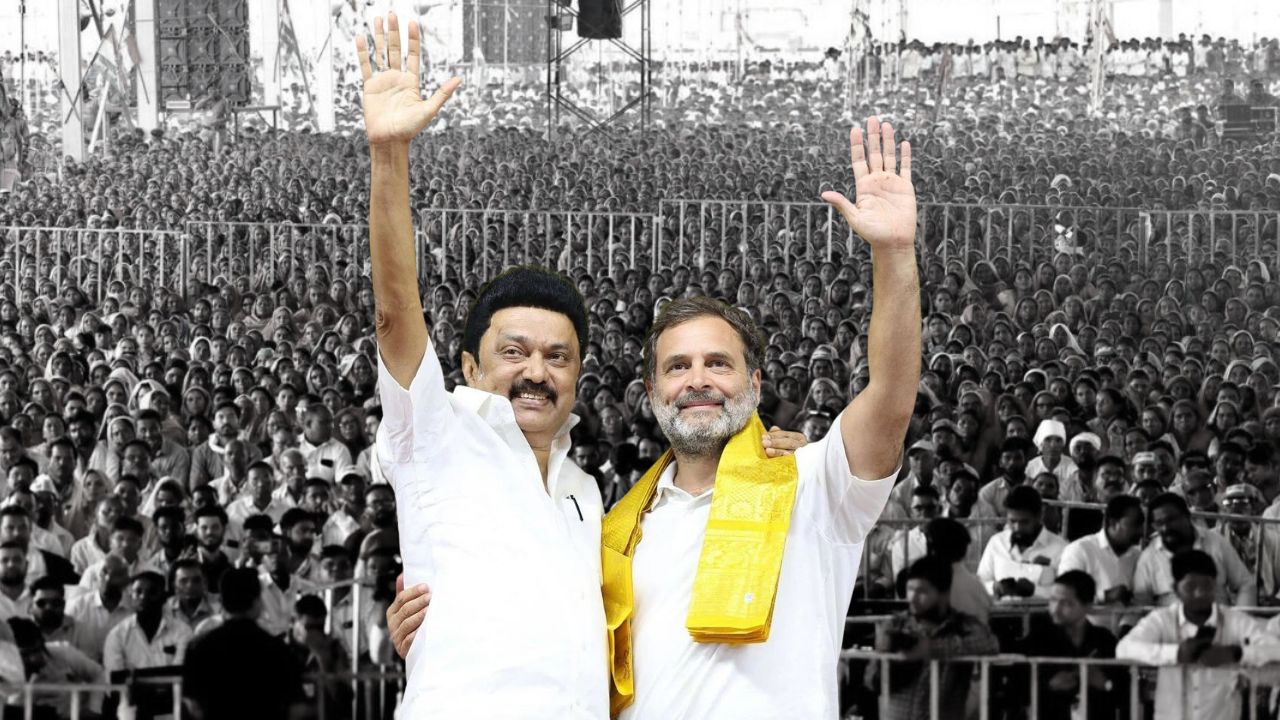
DMK's relationship with Congress has become contentious following political developments in Tamil Nadu.

Synopsis: The voter is not the property of any party, alliance or government. A citizen’s franchise must remain secure regardless of political affiliation, geographical location or electoral preference. The question confronting YSRCP, BRS, DMK and other regional parties is not whether they will join the INDIA bloc. It is whether they will defend electoral safeguards with the same determination when their political interests do not immediately demand it.
Democracy cannot be defended selectively, nor can the right to vote be reduced to a political bargaining chip. Yet the debate surrounding the Special Intensive Revision (SIR) of electoral rolls exposes a troubling contradiction in opposition politics.
Several regional parties that remain outside, or have fallen out with, the Congress-led INDIA bloc have expressed concerns about voter-list revision. But can these individual objections develop into a coherent national position on electoral transparency? And what do these parties ultimately want to communicate to the electorate?
The YSR Congress Party (YSRCP), Bharat Rashtra Samithi (BRS), Dravida Munnetra Kazhagam (DMK) and other regional formations have their own political compulsions. Their differences with Congress are neither new nor insignificant.
In Andhra Pradesh, Telangana and Tamil Nadu, competition between regional parties and Congress has shaped political strategies for years. Their refusal to align with the INDIA bloc, or their subsequent estrangement from it, cannot automatically be interpreted as support for the BJP. Nevertheless, when a process affecting the foundations of electoral democracy is under scrutiny, political distance cannot excuse ambiguity.
Also Read: ‘SIR is a bloodless political genocide’
SIR is intended to improve the accuracy of electoral rolls by identifying duplicate and ineligible entries and ensuring that the records reflect eligible voters. The Election Commission maintains that the exercise is necessary to protect electoral integrity. That objective is legitimate. But the means must be equally defensible. Removing ineligible entries is essential; inadvertently excluding eligible citizens is unacceptable. The central question is whether verification is transparent, inclusive and subject to effective remedies.
The regional parties themselves have raised concerns. YSRCP has demanded greater transparency in the revision process, including detailed disclosures of additions, deletions, transfers and discrepancies, arguing that political parties must be able to verify changes in the rolls. BRS has also sought greater transparency and raised questions about the large number of enumeration forms categorised as uncollectable in Telangana. These are substantive interventions, not silence. They also demonstrate that concern over SIR is not confined to the Congress-led opposition.
The real issue, therefore, is not whether these parties have spoken, but whether their demands are consistent, sustained and capable of producing accountability. Will they insist on transparent procedures wherever SIR is undertaken, or will their objections remain restricted to their respective states and immediate electoral interests?
The DMK presents a different political complication. It has criticised aspects of SIR, but its relationship with Congress has become contentious following political developments in Tamil Nadu. Differences over electoral alliances and the Congress-led campaign against the Chief Election Commissioner have complicated the prospect of collective action. This shows how alliance disputes can obstruct cooperation even when parties share concerns about electoral administration.
But defending the vote does not require surrendering political independence. YSRCP need not support Congress in Andhra Pradesh. BRS need not reconcile with Congress in Telangana. DMK need not endorse every political decision Rahul Gandhi takes. Each party can maintain its own political identity while cooperating on minimum democratic safeguards. A common position on voter protection is not a coalition agreement; it is a commitment to constitutional responsibility.
The BJP and the Election Commission, for their part, deserve evidence-based scrutiny rather than political assumptions. The Commission must explain its procedures, publish verifiable data and ensure that eligible voters have adequate opportunities to establish their credentials. The Commission should investigate claims of wrongful deletion, and allegations of manipulation must be supported by evidence. Neither administrative assurances nor political accusations can substitute for transparent verification.
Also Read: Rahul Gandhi invites Vijay to join anti-BJP campaigns
The responsibility of regional parties is equally clear. They must strengthen their booth-level organisations, help citizens check their names, document discrepancies, help affected voters file claims and objections, and pursue legal remedies where necessary. Their representatives in Parliament and state legislatures should seek answers on uniform standards, appeal mechanisms and safeguards for migrant workers, elderly citizens and disadvantaged communities. Public statements must lead to measurable action.
A larger political question remains. When parties oppose the INDIA bloc but share concerns about electoral conduct, are they prepared to cooperate on specific issues without entering a common alliance? If so, they must demonstrate it through coordinated demands, parliamentary scrutiny, and sustained engagement with the Election Commission. If not, they should explain why political rivalry takes precedence over a shared democratic concern.
Regional parties have every right to resist national political consolidation under a single opposition umbrella. India’s federal democracy depends on political diversity, and regional aspirations should not be subordinated to the convenience of national alliances. But federalism cannot mean fragmented vigilance over the right to vote.
Ultimately, the voter is not the property of any party, alliance or government. A citizen’s franchise must remain secure regardless of political affiliation, geographical location or electoral preference. The question confronting YSRCP, BRS, DMK and other regional parties is not whether they will join the INDIA bloc. It is whether they will defend electoral safeguards with the same determination when their political interests do not immediately demand it.
Parties may differ over power, ideology and alliances. They cannot afford to be ambiguous about every eligible citizen’s right to vote. Democracy requires competition between political forces, but it also requires a common commitment to the rules that make that competition meaningful.
(Views are personal. Edited by Majnu Babu).



