

Published May 18, 2026 | 7:00 AM ⚊ Updated May 18, 2026 | 7:00 AM

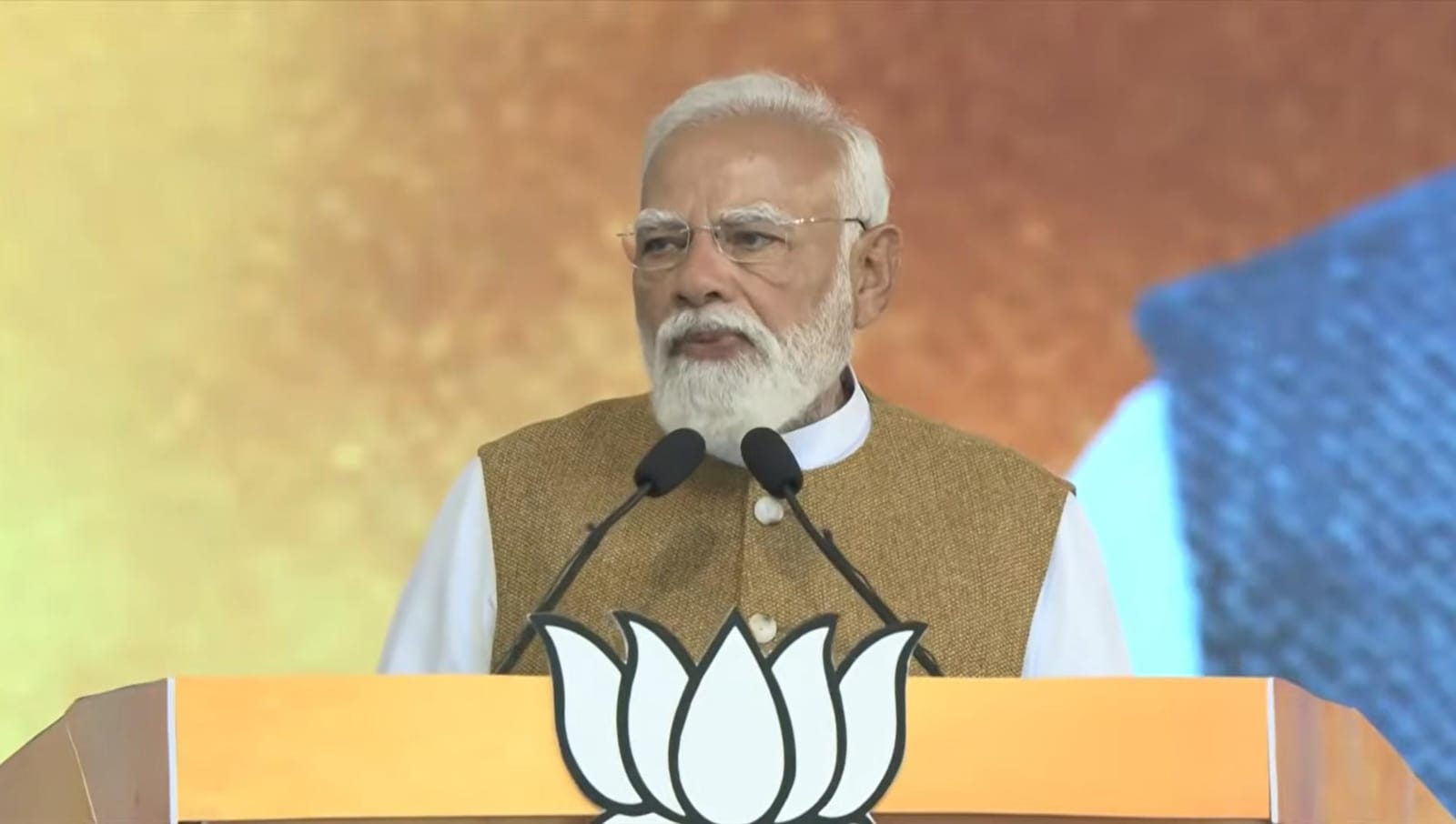
Prime Minister Narendra Modi

Synopsis: Recently, Prime Minister Modi urged citizens to revive Covid-era habits. A central criticism of Modi’s approach is the persistent reliance on optics, appeals, and narrative management over structural reforms. Asking citizens to carpool, skip gold purchases for weddings, and curb consumption rings hollow when elite protocols and political extravagance remain largely untouched.
Prime Minister Narendra Modi’s surprise appeal for voluntary austerity has exposed deep vulnerabilities in India’s economic management after over a decade of his rule. In his 10 May address in Hyderabad, Modi urged citizens to revive Covid-era habits: Work from home, use public transport or carpool to slash fuel consumption, postpone gold purchases, reduce edible oil and fertiliser use, limit foreign travel, and prioritise “Made in India” products.
Presented as “economic patriotism” to safeguard foreign exchange reserves amid the West Asia crisis and soaring oil prices, the call has instead sparked accusations that it reflects accumulated policy shortcomings rather than a mere external shock.
India, heavily dependent on oil imports, faces genuine pressures. Crude prices have surged past $100–120 per barrel due to regional disruptions, threatening to widen the current account deficit to around two percent of GDP. Record gold imports and persistent edible oil dependency add to the strain on the rupee and reserves.
The government has responded with symbolic gestures, including reported cuts to the Prime Minister’s convoy and directives to ministries for restrained spending. Yet these measures come after years of governance that critics argue failed to build sufficient resilience.
Also Read: Union government hikes petrol, diesel prices by Rs 3 per litre
A central criticism of Modi’s approach is the persistent reliance on optics, appeals, and narrative management over structural reforms. Despite more than a decade in power, promising self-reliance (Atmanirbhar Bharat), India remains acutely vulnerable to global oil shocks. Successive governments, including Modi’s, have not aggressively accelerated domestic exploration and production, nor diversified energy sources at the required pace.
The renewable push, while visible on paper, has struggled with implementation gaps, land acquisition issues, and grid integration challenges. Instead of insulating the economy through consistent fiscal prudence and export diversification, the administration often prioritised high-visibility infrastructure and welfare schemes funded by borrowing, leaving limited buffers when external shocks hit.
The timing of the appeal has drawn particular ire. It arrived days after intensive election campaigning involving extensive air and road travel by Modi and his colleagues — activities that contradict the very frugality now preached to citizens.
Opposition leaders, including Rahul Gandhi, have called it “proof of failure,” arguing that after 12 years, the Prime Minister is shifting responsibility onto ordinary people for policy shortcomings in economic management and foreign policy.
During the polls, the government projected economic confidence; the sudden pivot to public belt-tightening suggests either a lack of foresight or a reluctance to acknowledge ground realities earlier.
This pattern fits a broader critique of Modi’s governance style: Centralised decision-making that excels at branding but falters in execution and accountability. Lavish VVIP culture, frequent high-profile international summits, and discretionary spending have continued under his watch, even as the middle class faces rising costs.
Asking citizens to carpool, skip gold purchases for weddings, and curb consumption rings hollow when elite protocols and political extravagance remain largely untouched. Genuine shared sacrifice would demand radical transparency — audits of non-developmental expenditure, caps on ministerial foreign travel, and procurement reforms — measures that have been slow or selective at best.
Economically, the voluntary nature of the appeal highlights its limitations. Cultural attachment to gold, practical constraints on farmers reducing fertiliser use (risking yields and food security), and already moderating foreign travel suggest a modest impact at best. Critics argue this reflects a deeper governance issue: an over-reliance on consumption-driven growth without addressing import dependencies or building robust domestic supply chains.
Inflationary pressures from fuel and commodities have already burdened households recovering from previous crises—the pandemic, Ukraine war, and now West Asia—yet fiscal policy has often favoured selective populism over disciplined expenditure management.
India is not on the immediate brink of collapse. Foreign exchange reserves still provide a cushion, services exports and remittances offer support, and growth remains relatively resilient compared to global peers.
However, repeated external vulnerabilities under Modi’s tenure raise serious questions about long-term economic stewardship. Twin deficit concerns, rupee depreciation, and capital flow volatility point to systemic weaknesses that symbolic appeals cannot resolve.
Also Read: PM Modi calls for austerity measures amid West Asia conflict
For the austerity message to carry weight, Modi’s government must move beyond rhetoric. This includes accelerating energy self-sufficiency, rationalising subsidies without hurting the vulnerable, and demonstrating visible restraint at the top.
Persistent perceptions of cronyism, uneven policy implementation, and a tendency to blame external factors while downplaying domestic policy gaps have eroded public trust. In an era of geopolitical uncertainty, effective governance demands foresight, resilience-building, and credible leadership—not belated calls for public sacrifice after high-decibel campaigns promising prosperity.
Modi’s initiative correctly flags real risks, but its credibility is undermined by the governance record that necessitated it.
Citizens expect more than moral exhortations: They deserve consistent policies that reduce vulnerabilities rather than manage crises reactively.
Whether this moment prompts a genuine course correction or remains another exercise in narrative control will significantly shape the legacy of Modi’s economic leadership.
(Views are personal.)



