
Published Oct 30, 2026 | 11:59 AM ⚊ Updated Oct 30, 2026 | 11:59 AM

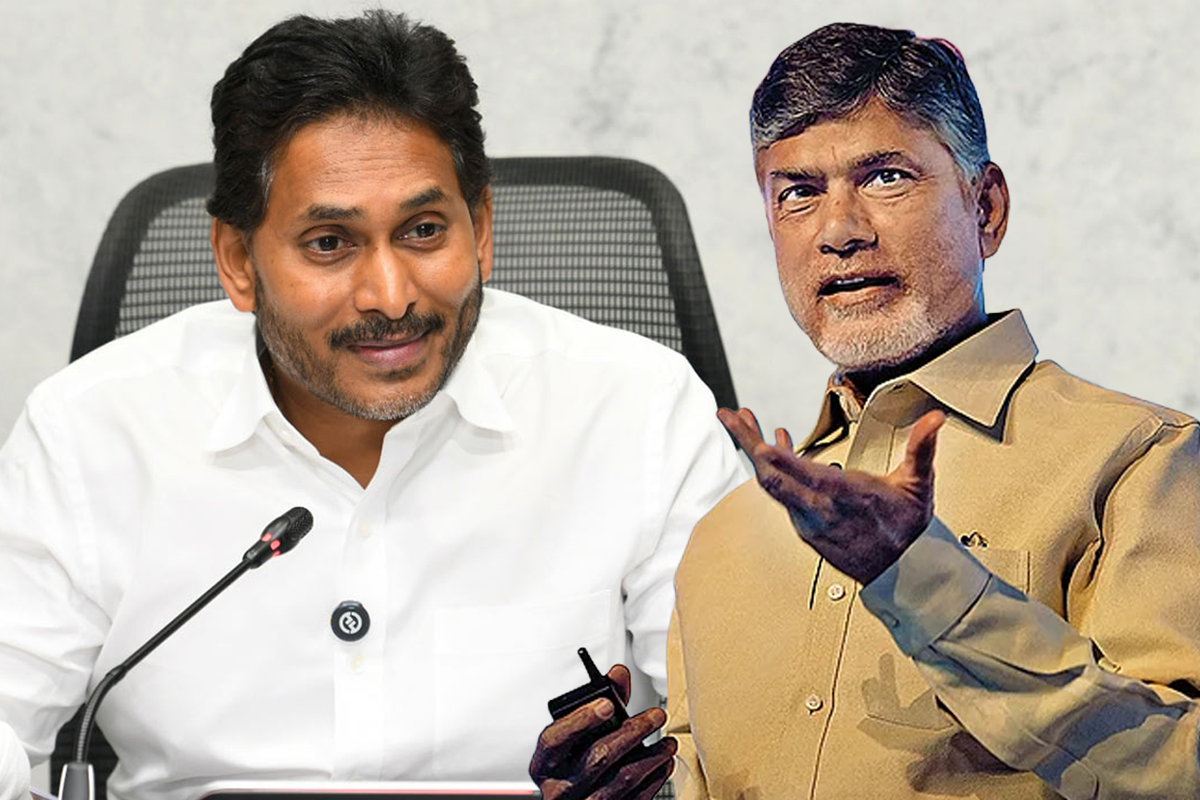
Jagan Mohan Reddy and Chandrababu Naidu

The disconnect between the Andhra Pradesh government’s claims of enhancing the state’s international reputation and its leaders’ political conduct on the ground is becoming increasingly apparent. Despite the ruling establishment’s claims, those at the helm of power are undermining the very image the government seeks to build.
To understand the public mood, the People’s Pulse Research Organisation conducted extensive field visits across the state, from Kuppam to Ichchapuram. The anger and frustration expressed by people reveal growing disillusionment with the state’s political establishment.
The Telugu Desam Party’s alleged use of official influence, intimidation and police machinery in a bid to secure uncontested victories in local body elections, from Rayalaseema to Palnadu and Chilakaluripet, has seriously undermined democratic norms. Although Telugu media and some other regional outlets have not adequately highlighted these developments, national media reports and political analyses have drawn attention to the damage inflicted on Andhra Pradesh’s reputation.
During our field visits, people described alleged irregularities and threats by TDP leaders, particularly in Rayalaseema, Palnadu and other regions, including instances in which the police were allegedly used to facilitate coercion. Across caste and religious lines, people expressed their determination to hold the ruling party accountable when the opportunity arises.
Significantly, even staunch TDP sympathisers have found it difficult to accept these developments. They argue that such practices contradict the party’s philosophy and claim that this is neither in line with the image built by Telugu Desam’s NT Rama Rao nor with that built by Chief Minister Chandrababu Naidu over the years. His son and Minister Nara Lokesh’s repeated references to the “Red Book” have also failed to find public approval.
Ironically, had the TDP allowed normal elections without coercion or forced unanimous victories, the ruling alliance could still have comfortably won more than 70 per cent of the seats, according to assessments emerging from our field interactions. Many voters believe that supporting the alliance in elections until 2029 would help sustain development in their regions.
This raises questions about the need for the alleged coercive tactics. To defend these actions, Chandrababu Naidu and Lokesh argue that they are merely responding to the alleged irregularities, intimidation and forced unanimous victories of the ruling party during the 2021 local body elections held under the YSR Congress Party.
However, people question this justification. Was the alliance not given an overwhelming mandate in 2024 precisely because voters wanted to reject the YSRCP’s alleged excesses and misgovernance between 2019 and 2024? Having voted for the restoration of democracy, ordinary citizens are disappointed that the ruling alliance is following a similar path. Consequently, a perception is growing that both sides are equally responsible for undermining democratic values.
One of the most striking findings of the People’s Pulse field visits is the depth of political disillusionment. A good number of people expressed the view that Andhra Pradesh needs a new political force with fresh leadership, ideas and energy to move beyond both the TDP and the YSRCP.
Many lamented that the absence of a credible alternative has become the state’s greatest political misfortune. They also expressed concern that intellectuals, democratic voices and civil society have become divided along caste lines, weakening their ability to challenge the prevailing political culture.
Public dissatisfaction also extends to former Chief Minister YS Jagan Mohan Reddy.
His confrontational speeches, including the “Rappa, Rappa” slogan, references to rolling up his sleeves and threats to track down political opponents wherever they hide if his party returns to power, have alienated many ordinary citizens. People view such rhetoric as an expression of vindictive politics rather than responsible opposition. His insistence that he will not attend the Assembly unless granted the status of Leader of the Opposition has also attracted public ridicule. People believe political ambition must have limits and should not lead to a sense of excessive entitlement.
During the 2024 election campaign, Jagan called for the YSRCP to win all 175 Assembly seats. Voters eventually reduced the party to just 11 seats, denying it the numbers required for formal recognition as the principal opposition. Even after this devastating defeat, Jagan has not adequately examined why his party suffered such a collapse. People believe he continues to pursue a confrontational and authoritarian approach, deepening the state’s political turmoil.
The electoral history of both parties offers a clear warning.
Disillusioned with the TDP’s 2014–2019 tenure, voters reduced it to just 23 Assembly seats in 2019, its worst performance since its formation. Similarly, voters, angered by the YSRCP’s style of governance between 2019 and 2024, restricted it to 11 seats in 2024. Yet neither leadership appears to have learnt the necessary lessons. Both continue to repeat their mistakes and pursue politics driven by confrontation and retribution.
Our field visits also revealed widespread anger over soaring prices of essential commodities, rising unemployment and the lack of livelihood opportunities. These concerns cut across caste and religious lines. Yet the YSRCP, as the principal opposition party, has failed to consistently foreground them, while the ruling alliance has also not adequately addressed them.
Although the government publicises its efforts to attract investments, people in the areas visited reported little tangible improvement in employment opportunities. Investment announcements, they believe, remain largely confined to official claims and publicity. Both parties appear preoccupied with personal attacks and political accusations, leaving citizens’ everyday problems neglected.
If Andhra Pradesh is to improve its brand image and achieve comprehensive development, it must move beyond a political culture dominated by intimidation, vendetta and hostility. Both the ruling alliance and the YSRCP must recognise these warning signs, respect democratic norms and prioritise public concerns. The ruling alliance should not celebrate local body results without examining the circumstances in which they were secured. It must step outside its political echo chamber, assess ground realities and change course. Otherwise, a severe setback in 2029 cannot be ruled out.
Ultimately, a state’s brand image cannot be built through overseas visits, investment announcements or publicity campaigns alone. It depends on institutional credibility, democratic conduct and public confidence. Unless both the ruling establishment and the opposition recognise this reality and change their approach, Andhra Pradesh’s reputation will continue to suffer, regardless of their claims.
Also Read:
Bypolls are not referendums: What 12 years of electoral data in Telangana and Andhra Pradesh reveal
(Edited by R Rajesh Kumar.)



