

Published Jun 10, 2026 | 1:28 PM ⚊ Updated Jun 10, 2026 | 4:41 PM

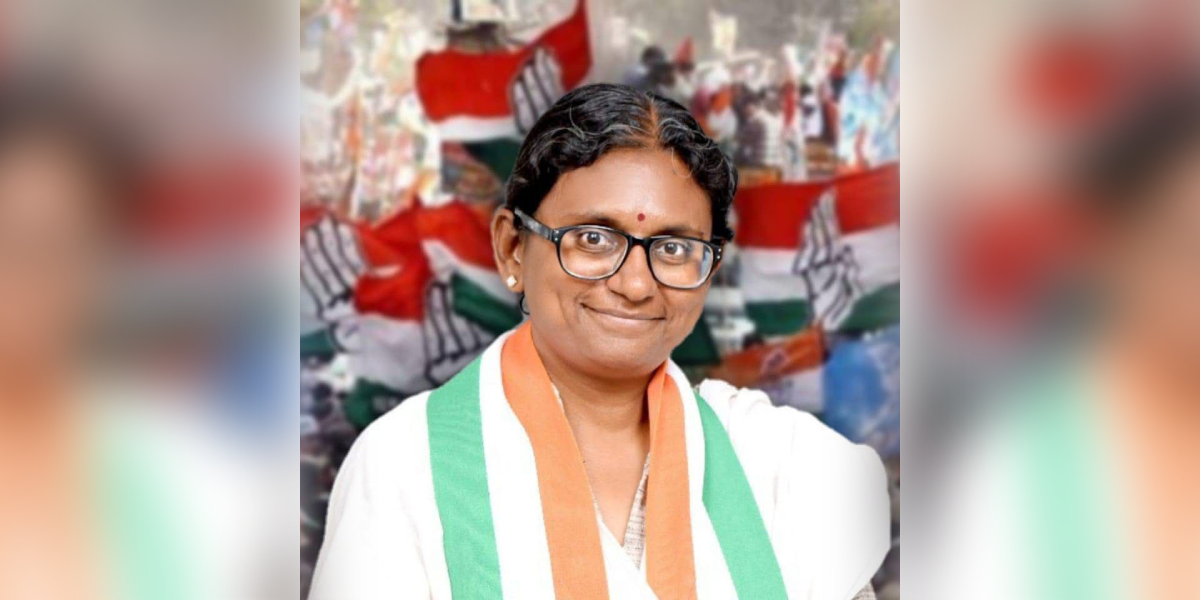
Meenakshi Natarajan. (X)

Synopsis: The disqualification reveals how the Congress high command’s missteps are leaving the party increasingly vulnerable to future threats.
The rejection of Meenakshi Natarajan’s nomination for the Rajya Sabha from Madhya Pradesh has thrust the Indian National Congress into yet another public controversy. What should have been a routine exercise in candidate selection has instead exposed deeper fault lines within the party: questions about the high command’s control over state units, potential internal sabotage, and the long-term risks of a decentralised structure that grants significant autonomy to local leaders.
Meenakshi Natarajan, a former Lok Sabha MP from Mandsaur and currently the All India Congress Committee (AICC) in-charge for Telangana, was nominated for one of three Rajya Sabha seats from Madhya Pradesh. Her papers were rejected by the Returning Officer during scrutiny following an objection from a BJP candidate.
The core issue was the alleged non-disclosure in her affidavit of a pending civil complaint in a Hyderabad court. A former corporator had filed a case seeking damages, leading to a court notice. Natarajan’s side maintains it was merely a show-cause notice in a politically motivated matter, with no FIR registered, and argues it did not need disclosure under the Election Commission’s guidelines. Congress leaders described the rejection as a blatant attempt by the BJP to undermine democracy.
The episode is more than a procedural hiccup. It highlights persistent challenges in how the Congress high command manages nominations, especially for leaders with cross-state roles. Natarajan’s prominence in Telangana and her selection from Madhya Pradesh underscore the party’s reliance on trusted national figures to bolster weaker state units. Yet the swift availability of details about the Telangana case to Madhya Pradesh BJP leaders has fueled speculation of an insider leak. Whether true or not, the optics are damaging.
This raises legitimate questions about internal discipline and loyalty. In a party historically prone to factionalism, the high command’s ability to enforce uniformity appears strained.
Rahul Gandhi and other central leaders have emphasised organisational revival and democratic processes within the party. However, repeated instances of poor vetting, last-minute crises, and public embarrassments suggest that the balance between central oversight and state autonomy is tilting too far toward the latter. Excessive freedom for local leaders, while fostering grassroots energy, can enable indiscipline, patronage networks, and vulnerability to external exploitation.
Critics within and outside the party argue that the Congress’s structure—where state units often operate with considerable leeway—has contributed to its electoral decline in several states. The Madhya Pradesh episode follows a pattern: ambitious nominations undermined by inadequate due diligence. Congress rushed to protest at the Election Commission, with leaders denied immediate entry, further amplifying the narrative of disarray. The party’s inability to field a replacement candidate after the nomination deadline compounds the setback, virtually handing the BJP unopposed wins in the seats.
Objectively, the rejection itself rests on technical grounds. Indian election law and Supreme Court precedents stress full disclosure in affidavits to ensure transparency. Even if the case was minor and politically tinted, failure to mention it provided ammunition to opponents.
The Congress’s defence—that a mere notice did not warrant disclosure—may hold legal merit, but it underscores sloppy preparation. In an era of heightened scrutiny and adversarial politics, parties must anticipate and neutralise such vulnerabilities. The high command’s apparent surprise at the objection points to gaps in coordination between central leadership, state units, and legal teams.
Also Read: Who sank Meenakshi Natarajan’s Rajya Sabha bid? BJP points to Congress infighting in Telangana
Symptomatic of deeper malaise
The broader implications for the Congress are concerning.
The party has struggled with organisational cohesion for years. While it has shown resilience in alliances and occasional state victories, episodes like this erode credibility. Internal leaks, if confirmed, signal a collapse of trust. Leaders parachuted from the high command into state roles may face resistance or sabotage from entrenched local factions. This dynamic risks turning the Congress into a loose federation of regional satraps rather than a unified national force.
The “excessive freedom” to local leaders is a double-edged sword. It allows flexibility and local responsiveness—assets in India’s diverse polity—but without robust accountability mechanisms, it breeds indiscipline.
The party’s high command has attempted reforms, including the appointment of observers and emphasis on merit. Yet implementation remains patchy. The Meenakshi Natarajan case illustrates how such freedom, combined with weak vetting, can lead to self-inflicted wounds that opponents eagerly exploit.
.
Ultimately, this incident may not single-handedly cause the collapse of the organisation, but it is symptomatic of deeper malaise. Congress needs stricter candidate scrutiny protocols, better intelligence on potential liabilities, and mechanisms to curb factional leaks. Centralised decision-making on key nominations, balanced with genuine state input, could restore grip without stifling initiative.
The party’s response—legal challenges and public protests—shows fighting spirit, but symbolism alone will not suffice. For a party that once dominated Indian politics, repeated procedural failures and internal discord project weakness.
As India’s political landscape polarises, the Congress must demonstrate that it can manage its house effectively if it aspires to challenge the ruling dispensation nationally. The Meenakshi Natarajan episode is a cautionary tale: without tighter coordination and discipline, autonomy risks becoming anarchy.
Also Read | The Political Python: How the BJP is swallowing India’s regional parties



