
Published Sep 02, 2026 | 9:15 AM ⚊ Updated Sep 02, 2026 | 9:15 AM

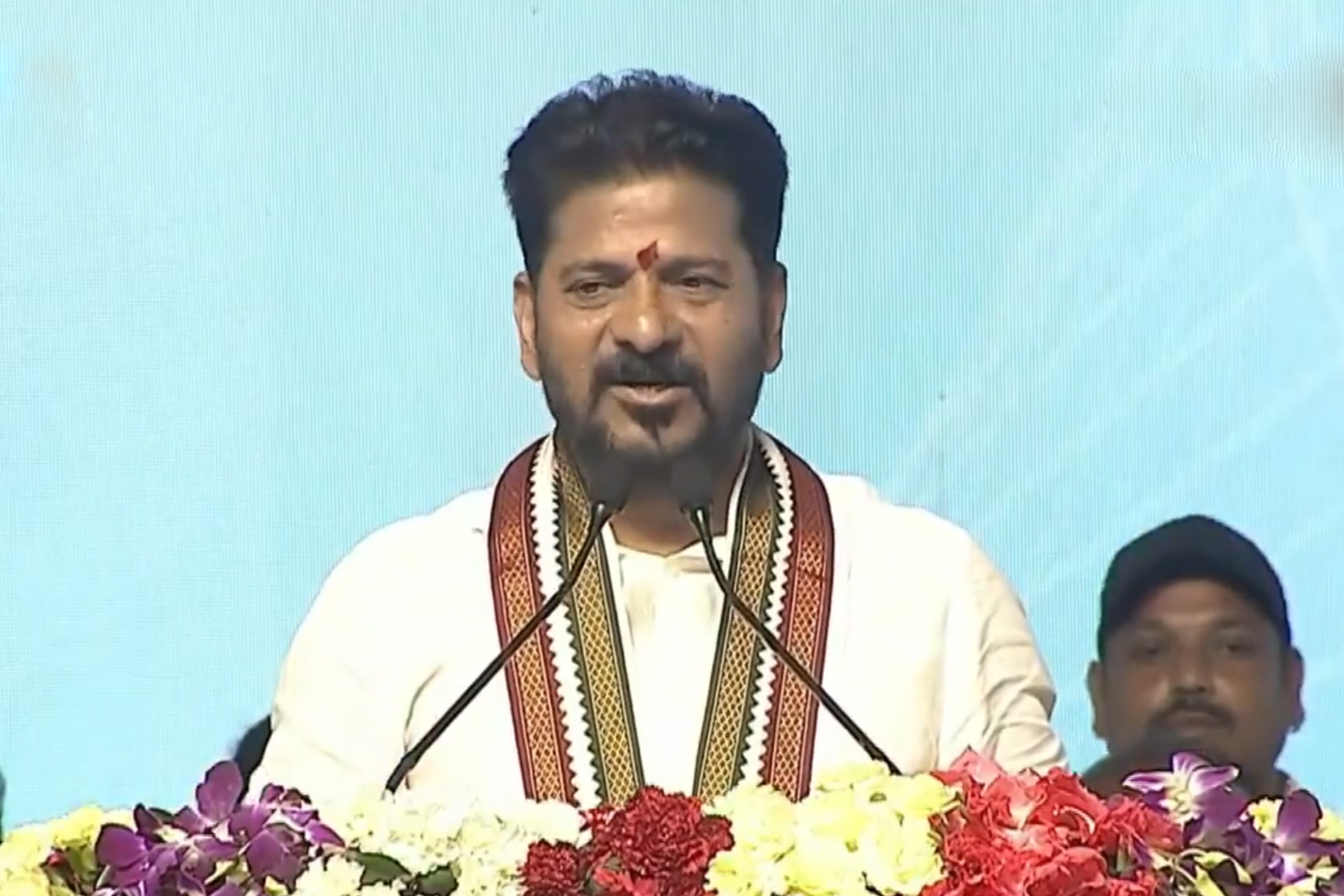
Telangana chief minister Revanth Reddy.

Synopsis: The difference between the Revanth Reddy government’s claims and public experience could become one of the most important political issues in the coming months. The second half of the term will therefore be less about political symbolism and more about measurable governance. The answer will increasingly depend not on what the government says, but on what the people can point to.
The Telangana government is heading into a challenging second half of its five-year term, with public expectations rising and scrutiny intensifying over the implementation of its election promises, welfare schemes and development programmes. What began as a government riding on the promise of political change is increasingly turning into a test of delivery, as people, opposition parties and the media seek answers on delays, gaps in implementation and the visible impact of its flagship initiatives.
The Congress government, which came to power in Telangana in December 2023 on the promise of providing an alternative to the previous BRS administration, still has considerable time to consolidate its record. But the nature of the political debate is changing. The question is no longer simply whether the government has announced schemes or sanctioned funds, but whether those promises have reached the intended beneficiaries and whether the administration has produced tangible improvements in people’s lives.
This shift could make the remaining period considerably more difficult for Chief Minister A Revanth Reddy. Governments generally enjoy a honeymoon period during their initial years, when expectations remain high and voters are willing to give the new administration time to settle down. But as the tenure progresses, patience tends to diminish and every unfulfilled promise acquires political significance.
The six guarantees announced by the Congress before the 2023 Assembly elections remain at the centre of this debate. The government has repeatedly maintained that several components have been implemented and that others are being pursued within the state’s financial limitations. The opposition, however, has consistently argued that the benefits have not reached all eligible sections and that several commitments remain only partially fulfilled.
The difference between government claims and public experience could become one of the most important political issues in the coming months. A scheme announced in a government order may represent progress on paper, but its political value ultimately depends on whether the beneficiary actually receives the promised assistance.
The same scrutiny is now extending to programmes concerning farmers, women, students, housing, pensions, employment and infrastructure. Farmers are looking for timely support and clarity over agricultural assistance. Students and educational institutions continue to expect regular release of fee reimbursement and scholarship dues. Aspirants for government employment remain sensitive to recruitment calendars and examination schedules. Urban residents, meanwhile, are increasingly judging the administration through basic issues such as roads, drainage, traffic, sanitation and civic infrastructure.
This creates a difficult situation for the government. It cannot indefinitely defend shortcomings by pointing to the financial difficulties inherited from the previous administration. Nor can every criticism be countered by citing the failures of the BRS regime. Accountability for the past is necessary, but governance is ultimately judged by what the present government delivers.
The government’s continuing focus on exposing alleged irregularities and financial mismanagement under the previous regime has political and administrative relevance. Yet there is a point beyond which the past ceases to be an explanation and becomes an excuse. After nearly three years in office, voters are likely to demand a balance sheet of the present government rather than another charge sheet against its predecessor.
The administration appears to recognise the need to accelerate implementation. Reviews of flagship schemes, departmental performance monitoring and efforts to strengthen coordination indicate that the government is attempting to improve execution. Such interventions could help, but they also highlight a fundamental problem: schemes cannot succeed merely through frequent review meetings. Their success has to be measured through outcomes.
The opposition is preparing to exploit precisely this gap. The BRS has intensified its campaign against the Congress government, accusing it of failing to honour its electoral commitments. While opposition criticism is inevitably political, it becomes more effective when the government leaves unanswered questions about beneficiaries, expenditure, timelines and implementation.
The media, too, is likely to move from reporting announcements to examining outcomes. This could prove more uncomfortable for the government than conventional political attacks. Questions such as how many people have actually benefited, how much money has been released, how many houses have been completed, how many jobs have been filled and how many promises remain pending are questions that cannot easily be answered through political rhetoric.
The government’s financial position adds another layer of difficulty. Telangana has to balance welfare expenditure with salaries, pensions, debt obligations, infrastructure spending and major development projects. Ambitious promises made during an election campaign inevitably encounter fiscal constraints once they enter the machinery of government. The challenge for the administration is to acknowledge those limitations honestly while establishing clear priorities and credible timelines.
The second half of the term will therefore be less about political symbolism and more about measurable governance. The Congress government has already demonstrated that it can build a political narrative around change. It now has to demonstrate that the change is visible beyond government advertisements, official statements and legislative announcements.
For Revanth Reddy, the coming period could consequently become the real test of his administration. Opposition parties will intensify their attacks, beneficiaries will become more demanding and the media will increasingly compare promises with performance.
The crucial question confronting the government is simple but politically unforgiving: Has the change promised in 2023 translated into a change people can actually see and experience in 2026?
The answer will increasingly depend not on what the government says, but on what the people can point to.
Also Read:
Telangana MLA Komatireddy Rajagopal Reddy’s criticism of the media raises larger questions
Telangana’s Section 22A controversy: Whose land? Who prohibits? Who encroaches?
Exclusive | No Krishna can save this Kurukshetra: Telangana Congress tears itself apart



