
Published May 31, 2026 | 7:00 AM ⚊ Updated May 31, 2026 | 7:00 AM

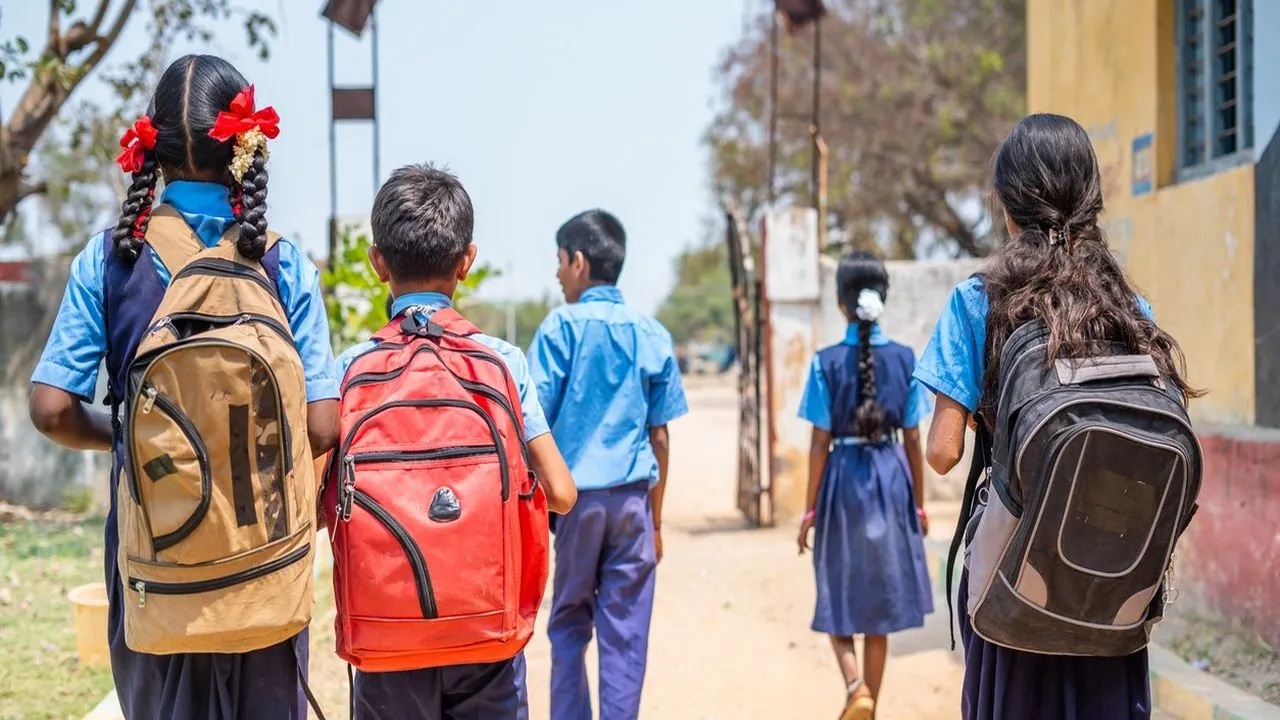
School children. (iStock)

Synopsis: Today, however, the public education system stands at a critical crossroads. Despite an extensive network of schools, enrolment trends indicate a steady erosion of public confidence. The central question confronting policymakers is whether Telangana can revitalize its government schools to make them a credible and attractive educational option for the poor and marginalized in an era dominated by private institutions.
Government schools in Telangana once symbolized hope, social mobility, and equal opportunity. For generations of children from rural and economically weaker families, these institutions served as the primary gateway to education and respectable employment.
Many senior administrators, teachers, scientists, engineers, and political leaders from the state proudly trace their roots to these humble government schools, which operated with limited resources but produced remarkable outcomes through dedicated teaching and community support.
Today, however, the public education system stands at a critical crossroads. Despite an extensive network of schools, enrolment trends indicate a steady erosion of public confidence. The central question confronting policymakers is whether Telangana can revitalize its government schools to make them a credible and attractive educational option for the poor and marginalized in an era dominated by private institutions.
Also Read: Amid nationwide controversies, focus shifts to grassroots vigilance
Telangana boasts one of the largest educational infrastructures in India. Official data from the School Education Department reveals nearly 41,600 schools across government, aided, and private sectors, catering to approximately 66.38 lakh students.
Of these, government and local body schools together enrol around 27.8 lakh students, accounting for roughly 38 percent of total enrolment.
In sharp contrast, private unaided schools alone attract more than 43 lakh students, constituting nearly 61 percent. This imbalance highlights a pronounced migration toward private education, even among lower-income families who are increasingly willing to bear financial burdens for what they perceive as superior schooling.
The decline appears more pronounced when viewed against historical trends. Just a decade ago, government schools commanded a significantly larger share of student enrolment. Rapid urbanization, rising parental aspirations, and the aggressive proliferation of private schools—often promising English-medium instruction, modern facilities, and better discipline—have dramatically reshaped the educational landscape.
Recent educational surveys paint a concerning picture: Telangana has over 2,245 government schools with zero enrolment.
In several districts, including Nalgonda with the highest number at around 315, institutions function with extremely low student strength. This has compelled authorities to merge schools and redeploy teachers. Many primary schools continue to operate with a single teacher managing multiple classes across different grades, severely impacting learning quality.
Also Read: Mahesh Kumar Goud and the latest intrigue in Telangana Congress
The shift is particularly evident at the elementary level in urban and semi-urban areas. Parents, even from economically struggling backgrounds, prefer low-cost private schools, believing they offer stronger English communication skills, stricter academic discipline, consistent teacher attendance, and greater exposure to technology and extracurricular activities.
For many, education has become inextricably linked to future employability and social status. The perception that private schools provide a decisive competitive edge in competitive examinations and job markets has become deeply entrenched, prompting families to make significant sacrifices.
Infrastructure disparities continue to fuel this confidence gap. Although the state government has made notable improvements in recent years through various schemes, a large number of government schools still suffer from inadequate classrooms, insufficient digital equipment, poorly equipped laboratories, and substandard sanitation facilities.
Reports suggest that nearly one in six government primary schools operates with just a single classroom. Teacher shortages and irrational staff deployment remain persistent problems. While some schools grapple with surplus staff, others face prolonged vacancies. Learning outcomes in many rural and semi-urban government schools have not kept pace with expectations, despite substantial increases in public expenditure on education.
Yet the story of public education in Telangana is not one of unmitigated decline. The state’s residential educational institutions, including Model Schools, Gurukul schools for backward classes, social welfare hostels, and Kasturba Gandhi Balika Vidyalayas, have emerged as inspiring success stories.
These institutions provide quality education with residential facilities to lakhs of students from Scheduled Castes, Scheduled Tribes, Backward Classes, and minority communities. Over the past decade, enrolment in these residential schools has grown impressively. Thousands of their alumni have secured admissions into prestigious institutions like IITs, NITs, medical colleges, and central universities, proving that well-managed public education can deliver excellence when supported by quality infrastructure, motivated teachers, regular academic monitoring, and focused nutrition.
Recognizing the challenges in conventional government schools, the Telangana government has initiated several reform measures. Teacher recruitment drives have been resumed after a long gap. Initiatives such as digital classrooms, universal English-medium instruction from early classes, smart school programs, and comprehensive infrastructure upgrades are being rolled out across districts. Several zero-enrolment schools have been reopened following renovations and active community mobilization.
Also Read: Data shows SIR helped BJP win West Bengal
However, the abrupt resignation of Akunuri Murali, Chairperson of the Telangana Education Commission, on 23 May, 2026—just days before the new academic year—has added a new layer of uncertainty. Murali, a retired IAS officer appointed in September 2024 with a two-year term, submitted his resignation after completing and submitting a comprehensive report on education reforms.
While he cited the fulfillment of his assigned responsibilities, the timing has sparked speculation about possible differences over the pace of implementation, policy priorities, or challenges in translating recommendations into action. This leadership vacuum arrives at a pivotal moment when sustained guidance is essential to arrest enrolment decline, improve learning outcomes, and restore parental trust in the public system.
Meaningful revival demands far more than periodic administrative announcements. Government schools must evolve from being viewed as mere welfare providers to institutions of genuine aspiration and excellence. While free uniforms, textbooks, and mid-day meals continue to play a vital role, parents today demand demonstrable quality, skill development, and pathways to upward mobility.
Three priorities stand out as essential.
First, infrastructure deficiencies must be eliminated comprehensively. Every government school should feature adequate, well-lit classrooms, functional toilets, safe drinking water, reliable internet connectivity, and modern digital learning resources. The physical learning environment significantly influences parental perception and student engagement.
Second, measurable learning outcomes must occupy center stage. Focused interventions in foundational literacy, numeracy, spoken English proficiency, and digital competencies are crucial. Continuous teacher training, performance accountability, and regular assessments should be strengthened.
Third, community participation needs urgent revival. Past generations regarded government schools as shared community assets. Active involvement of parents, alumni associations, and local bodies in school management committees can foster ownership, improve accountability, and generate additional support.
The future of government education in Telangana is inseparably linked to the broader goal of social equality and inclusive development. If access to quality education increasingly depends on private affordability, existing social and economic divisions will only widen.
With nearly 28 lakh students still depending on the government school network, these institutions retain undeniable relevance for the state’s poorest families. They continue to have takers, particularly in remote rural areas where private options remain limited or unaffordable.
Reclaiming lost ground will require resolute political commitment, consistent financial investment, innovative pedagogical approaches, and a determined campaign to rebuild public confidence. Only then can Telangana’s government schools once again become engines of social mobility and equal opportunity for the next generation.
(Edited by Sumavarsha, views expressed here are personal.)



