
Published May 28, 2026 | 11:00 AM ⚊ Updated May 28, 2026 | 11:23 AM

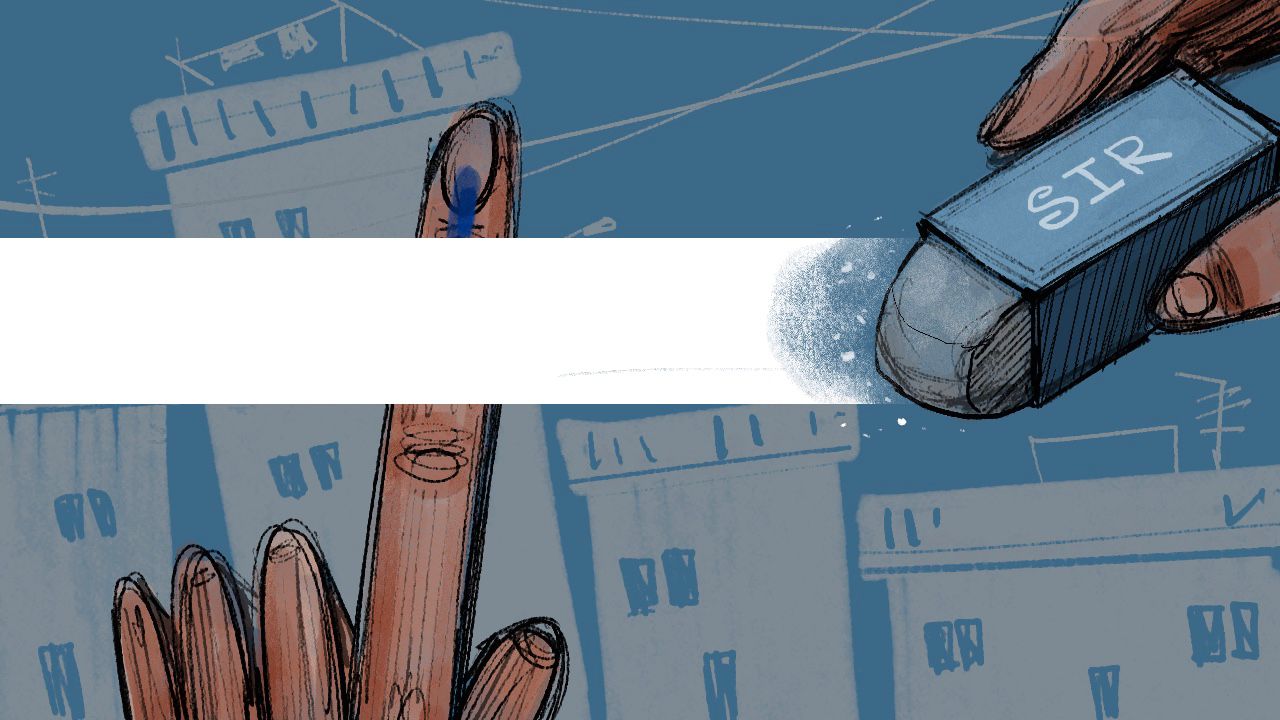
Telangana’s urban districts are set to lose the highest number of voters to the revision process.

Synopsis: The SIR of electoral rolls has emerged as one of the most contentious exercises in Indian electoral administration. Critics argue that its implementation has been marred by procedural shortcomings, raising fears of large-scale disenfranchisement. Critics also point to uneven implementation across constituencies. In this backdrop, several political outfits are increasingly shifting towards proactive capacity-building at the booth level.
The Special Intensive Revision (SIR) of electoral rolls has emerged as one of the most contentious exercises in Indian electoral administration in recent times. Launched with the aim of purifying voter lists by identifying and removing duplicates, deceased persons, and ineligible entries, the process has ignited sharp debates across multiple states.
While the Election Commission maintains that SIR is essential for upholding the integrity of elections, critics argue that its implementation has been marred by procedural shortcomings, raising fears of large-scale disenfranchisement.
At the heart of the controversy is the heavy documentation burden imposed on voters, especially those enrolled after 2003. These individuals are often required to submit legacy proofs such as birth certificates, parentage documents, or other historical records.
For marginalised communities, including migrant workers, daily wage labourers, rural populations, and tribal groups, this requirement has proven particularly challenging. Many lack ready access to such documents due to lost records, frequent relocations, or administrative gaps in their native districts.
Reports from various states have highlighted instances of inadequate prior notices, rushed house-to-house verifications, and insufficient time for voters to respond, leading to abrupt deletions from the rolls.
Also Read: Data shows SIR helped BJP win West Bengal
Opposition parties have been vocal in their criticism. In several regions, they have alleged that the timing of the SIR — close to important electoral events — creates unnecessary confusion and administrative overload.
Some have gone further, accusing the exercise of being a disguised “vote deletion” drive that disproportionately affects sections traditionally supportive of non-ruling parties. While broad allegations of bias have been raised, many observers note that the absence of structured ground-level preparedness has compounded the problem.
In states where parties relied mainly on reactive statements without investing in booth-level training, higher rates of genuine voter exclusions have reportedly occurred. This has weakened their ability to mobilise supporters and monitor the process effectively.
The fallout has been visible in ground reports: Eligible citizens missing from final lists, families discovering deletions only after deadlines, and logistical hurdles preventing timely claims and objections.
Critics also point to uneven implementation across constituencies, with urban areas sometimes faring better than remote rural pockets where awareness and access remain low.
In this backdrop, several political outfits are recalibrating their strategies. Recognising the limitations of criticism without action, the emphasis is increasingly shifting towards proactive capacity-building at the booth level.
Training programmes for local party workers are being prioritised to equip them with practical tools for monitoring deletions, assisting voters with documentation, ensuring proper service of notices, and filing claims and objections within stipulated timelines. This hands-on approach addresses real-world challenges that generic lectures often fail to cover.
One notable example comes from Congress MP Dr Kadiyam Kavya, who represents the Warangal constituency in Telangana, who initiated a training programme for booth-level leaders and prepared an eleven-page booklet as a ready reckoner on the SIR process, required proofs, potential red flags, and outreach methods.
Such efforts underscore a broader realisation that grassroots empowerment can serve as an effective shield for voter rights.
Interactive, scenario-based training models are gaining traction because they prepare workers to identify at-risk voters early — such as senior citizens, migrants, and first-time enrollees — and guide them through the appeals process.
This vigilance is viewed as crucial not only to prevent wrongful exclusions but also to support the Election Commission’s stated goal of maintaining accurate and clean electoral rolls.
Also Read: As Karnataka maps voters ahead of SIR, vulnerable groups fear being left out
Beyond immediate electoral implications, the SIR controversy has triggered wider discussions on electoral reforms. Questions are being raised about the balance between accuracy and inclusivity, the digitisation of records to reduce documentation hassles, and the need for more transparent timelines.
Civil society groups and election watchdogs have called for extended grievance redressal windows and better coordination between local administrations and political parties.
As the revision process continues amid scrutiny, the lessons are clear. Parties that invest in meticulous groundwork at the polling booth level appear better positioned to protect democratic participation.
In a country as vast and diverse as India, where millions of voters navigate complex procedures, reactive rhetoric alone has proven inadequate in past exercises.
Targeted preparedness, through training, awareness drives, and community outreach, can transform a potentially disruptive process into an opportunity for strengthening voter inclusion.
Ultimately, the integrity of India’s electoral system depends on collaborative vigilance. While controversies surrounding the SIR persist, the growing focus on booth-level empowerment offers a constructive path forward.
By prioritising practical action over mere allegations, political stakeholders can help safeguard the fundamental right to vote, ensuring that the world’s largest democracy continues to reflect the will of all its eligible citizens.
(Views are personal.)



