

Published May 11, 2026 | 11:11 AM ⚊ Updated May 12, 2026 | 7:10 PM

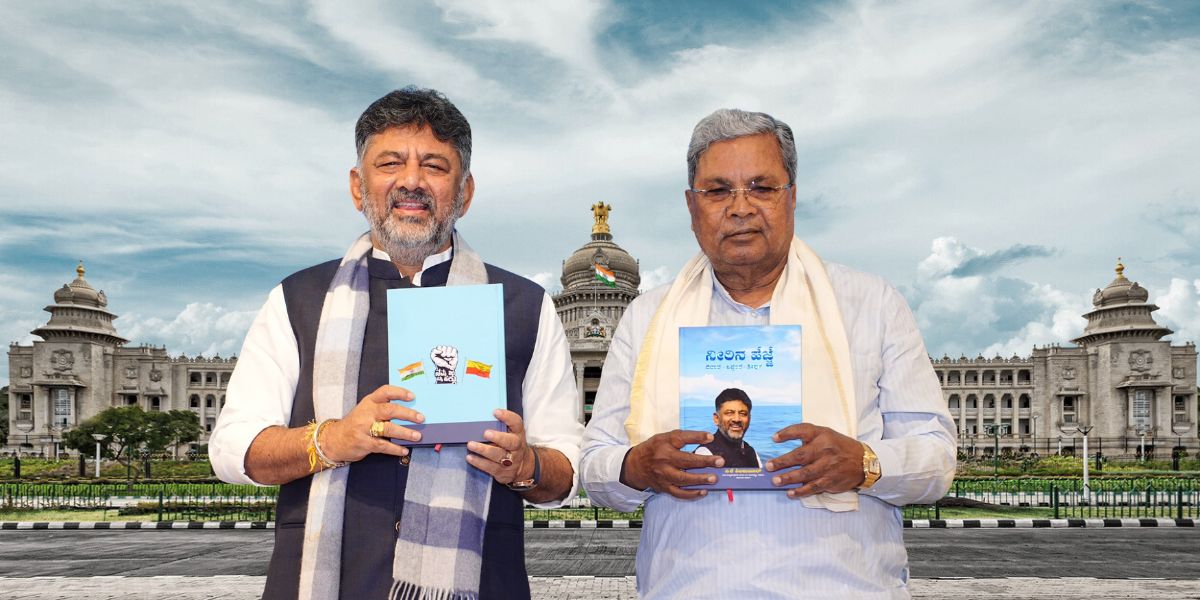
Karnataka Chief Minister Siddaramaiah and Deputy Chief Minister DK Shivakumar.

Synopsis: With Congress struggling to choose a chief minister for Kerala, discontent is brewing among the party’s legislators in Karnataka, who believe that Chief Minister Siddaramaiah has become “unresponsive”. Senior leaders within and outside the Cabinet believe there is a desperate need for a shake-up.
Even as Congress struggles to choose a chief minister for Kerala, a quiet realignment has taken place in neighbouring Karnataka.
Before the leadership turns its attention to the Goa and Punjab elections, the party may have to resolve issues in Karnataka, which are set to get complicated if All India Congress Committee (AICC) General Secretary KC Venugopal becomes the chief minister of Kerala.
The organisational challenges for the Indian National Congress (INC) show no signs of abating. Fresh out of elections in four states and one Union Territory, Congress has managed to register a big victory only in Kerala. In Tamil Nadu, a post-poll decision to split from DMK and join hands with TVK led to turmoil that engulfed all political players in the Dravidian state, eventually settling with Vijay taking oath as chief minister with Congress in tow. The trouble doesn’t end there.
Also Read: As Venugopal emerges frontrunner to be Kerala CM, the ball is in Rahul-Kharge’s court
Come 20 May, Chief Minister Siddaramaiah would be completing three years in office. Marred by lethargy, disinterest, allegations of corruption, indecisions and hanging on by a thread of mass popularity and AHINDA votes (Kannada acronym for Minorities, Backwards Classes and Dalits), Siddaramaiah’s current tenure in the office of Chief Minister is a far cry from his previous term, from 2013 to 2018.
Deputy Chief Minister DK Shivakumar has made no secret about his aspirations to replace Siddaramaiah for the top job. Now, the state Cabinet and administration have recalibrated loyalties, allegiances and preferences. In short, the mood in the Karnataka Congress and government has moved on from Siddaramaiah.
The growing sense in the Karnataka Cabinet as well as the Congress legislative party is that Chief Minister Siddaramaiah has become unresponsive, indecisive, and his administration has slipped into lethargy. Senior leaders within and outside the Cabinet believe there is a desperate need for a shake-up.
“There is no denying that the administration has slipped into lethargy in Karnataka. Ministers are accumulating anti-incumbency sentiments, and there is a definite need to reorganise the way things are. Don’t know if the impact player will become the captain, but party leaders and cadres want clarity from the AICC,” a senior minister told South First. The minister insisted that a Cabinet reshuffle is definitely on the cards, but a leadership change may also be inevitable.
The impact player being referred to here is Deputy Chief Minister Shivakumar. For months now, Shivakumar’s close circle has been fuming at the AICC for “failing to keep its promise” of making him the chief minister.
Party sources close to Shivakumar are reminding the central leadership of the “power-sharing pact” between Siddaramaiah and Shivakumar and want it implemented now.
Another senior Cabinet minister painted a grim picture of the situation. “The principal is unresponsive and seemingly caught up with resolving issues closer home,” he said. “The shift of mood and loyalties is not limited to the Cabinet but has spilt over to MLAs too,” he added.
Several leaders reportedly opined that Congress should hold a meeting of MLAs to collect consensus on who should lead the government. Members of the Cabinet firmly believe that the tables from 2023, when the CLP gave overwhelming support to Siddaramaiah, have now turned.
It doesn’t stop at just the Congress legislative party. A sense of limbo has also gripped the bureaucracy, with officers convinced that the current tenure of 78-year-old Siddaramaiah is a disappointment compared to his previous term. A lot has changed, and it isn’t for the better.
“There is rampant corruption, and files don’t move without commission. It is a free-for-all. The situation is similar irrespective of which party is in power, but now, even oversight into what is happening to the machinery is missing,” a senior bureaucrat lamented, adding that the administration is also keeping the future in mind and reassessing alignments.
Contractors’ associations’ repeated claims on pending dues and mounting corruption fall in line with what the officer told South First.
A close aide of the chief minister, rather disappointedly, pointed out “pressures and compulsions” interfering with Siddaramaiah’s administration.
“Siddaramaiah has surrounded himself with people who aided him when he was out of power, and now he has the compulsion to accommodate their requests,” the aide said, pointing to appointments, positions and nominations given to people close to Siddaramaiah in and around the CMO, legislative council, boards and corporations.
Also Read: Karnataka IPS officer Ramachandra Rao’s reinstatement raises eyebrows
Officers, even those considered friendly to the Congress regime, have grown cautious, especially after premature suspensions and transfers. The Chinnaswamy Stadium stampede fiasco is an example of how the Siddaramaiah government’s handling of the situation has left the bureaucracy fuming.
Abrupt suspensions of officers even before an inquiry had forced an IPS officer to approach the administrative tribunal challenging the order.
The overwhelming sense is that officers, as well as the chief minister’s personal appointees, like his advisors and political secretaries, are thrown under the bus in times of crises — a face-saving act that is costing Siddaramaiah a lot of goodwill. The handling of the Davanagere bypoll, the row over the action against minority leaders, has also drawn flak.
Siddaramaiah is undoubtedly the most popular leader in Congress, and a change of chief minister comes with the risks of losing caste blocs. Shivakumar, being unable to demonstrate that he can command votes from his own community, the Vokkaliga, has also dented his case.
However, leaders in the party believe that if the AICC wants to change leadership, now is the time. “It will be too late if a change is made just a year before the election. If there is no change, then we would have to head into the election with severe anti-incumbency. If KC Venugopal is made the chief minister of Kerala, we expect more delay,” another minister from the Karnataka Cabinet told South First.
The minister expressed concern that if Venugopal, currently the General Secretary (Organisation) of the party, is shifted out as chief minister of Kerala, the AICC could further delay any decision on leadership change in Karnataka.
In all, the mood in the Karnataka Congress has shifted, with an eye on the future, but the AICC has yet to take note. The longer Congress’s central leadership ignores the demand for clarity, the worse it is expected to fare in the next Assembly elections in Karnataka.
(Edited by Muhammed Fazil.)



