

Published Nov 26, 2026 | 4:23 PM ⚊ Updated Nov 26, 2026 | 4:23 PM

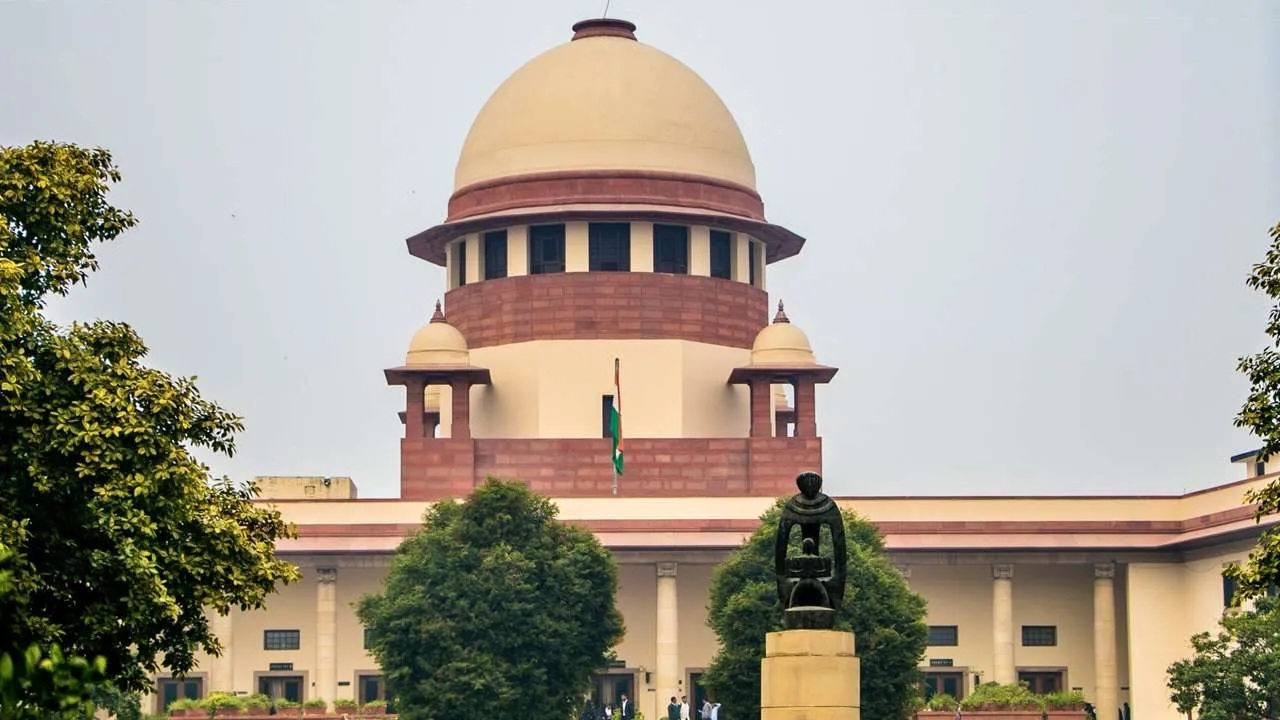
The court will separately examine the broader constitutional questions concerning journalists' rights.

Synopsis: The Supreme Court on Thursday said legal protection for journalists would depend on who qualifies as a journalist, with Justice Joymalya Bagchi observing that safeguards available to accredited journalists may not automatically extend to ‘self-proclaimed’ journalists and social media content creators. The court hearing of a petition filed by the Kerala Union of Working Journalists (KUWJ), alleging that seven journalists from Keralam were assaulted by Delhi Police while covering anti-SIR protests.
The Supreme Court on Thursday, 26 November, said the extent of legal protection available to journalists covering protests would depend on who qualifies as a journalist, with Justice Joymalya Bagchi observing that safeguards available to accredited journalists may not automatically extend to ‘self-proclaimed’ journalists and social media content creators.
The observation came during the hearing of a petition filed by the Kerala Union of Working Journalists (KUWJ), alleging that seven journalists from Keralam were assaulted, manhandled and wrongfully detained by Delhi Police while covering anti-SIR protests in the national capital in October.
Justice Bagchi said the court first had to settle the definition of a journalist, including whether it covered only those registered with the Press Council of India or employed by recognised newspapers and television channels, or also individuals reporting events through social media reels and other content.
“First, we have to define a journalist,” he said. Delhi Police had also argued that reel-makers and content creators could not automatically claim the protections available to journalists covering protests.
When counsel for the petitioners submitted that such distinctions could not be introduced retrospectively or made on the spot while removing people covering a demonstration, Justice Bagchi said even a standard operating procedure (SOP) governing police action would have to take into account the status and character of the person claiming to be a journalist.
“Even if we lay down an SOP, the SOP’s graded stance of law enforcement agencies would also depend upon the status and character of the person claiming to be a journalist,” he said.
Appearing for the journalists, senior advocate PV Dinesh said the petitioners were not seeking special privileges but the freedom to discharge their professional responsibilities.
“We are just journalists, recognised journalists. Allow us to do our work,” he told the bench.
The bench, comprising Chief Justice of India Surya Kant and Justices Joymalya Bagchi and V Mohana, referred the allegations to an inquiry committee headed by former Supreme Court judge Justice Subhash Reddy.
The journalists have been asked to submit relevant material before the committee, which will examine the allegations and record its factual findings.
Justice Bagchi said the committee would ascertain whether the journalists were present at the protest site, whether force was used against them and whether the force was excessive.
The allegations include an attempt to snatch a photographer’s camera and the physical assault of a woman journalist while she was reporting live.
The seven journalists named in the petition are Suhail Muhammed and VS Rahul of 24 News, Sajin of Asianet News, Roshni Rajan and Farsana of Reporter TV, Vishnuprasad of Mathrubhumi and Miji P Jose of Manorama News.
The court will separately examine the broader constitutional questions concerning journalists’ rights while covering demonstrations and public events.
These include whether journalists constitute a distinct category entitled to additional protection, the extent of their freedom of movement and right to practise their profession, and whether forcibly removing a journalist from a location could amount to custody.
(Edited by Dese Gowda)



