

Published Nov 26, 2026 | 11:39 AM ⚊ Updated Nov 26, 2026 | 11:39 AM

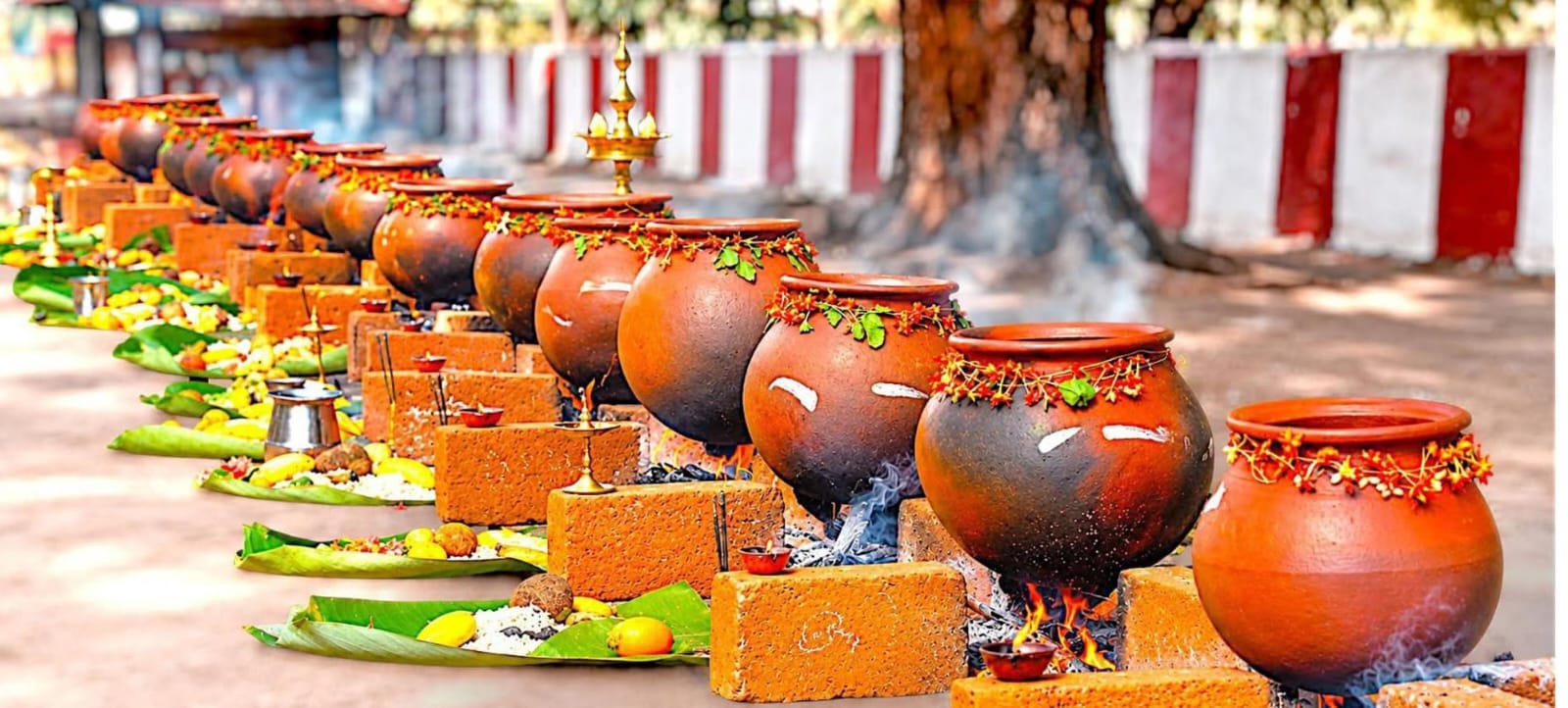
The pongala is traditionally cooked in clay pots over makeshift brick hearths.

Synopsis: Mayor VV Rajesh suggested replacing the makeshift brick hearth with reusable steel stoves to reduce waste from discarded bricks and the cost of clearing them after the festival. However, after opposition from the Attukal Bhagavathy Temple Trust, he said the corporation will not interfere with religious customs.
The BJP-led Thiruvananthapuram Corporation’s proposal to replace traditional makeshift brick hearths with reusable steel stoves for the Attukal Pongala has faced opposition from the temple trust and devotees, who fear the move could interfere with age-old customs.
The proposal aimed to reduce waste from discarded bricks and the cost of clearing them after the festival.
The corporation reportedly spent around ₹12 lakh on waste clearance after the previous pongala on 3 March 2026.
However, the Attukal Bhagavathy Temple Trust said the civic body had not consulted it before announcing the proposal. The trust maintained that preparing pongala — a sweet offering made of rice and jaggery — on a brick hearth and clay pot was an established tradition and that it had earlier rejected a similar proposal from a private party.
While three bricks cost ₹50 during the festival, a steel stove would cost over ₹200.
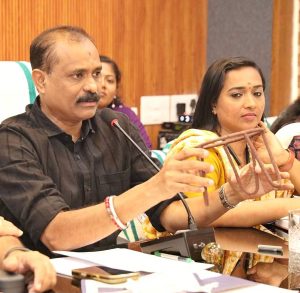
Mayor VV Rajesh and Deputy Mayor Asha Nath GS.
Following Mayor VV Rajesh’s announcement, actor Mallika Sukumaran supported the initiative and offered to sponsor 2,000 steel stoves.
The mayor later clarified that the corporation would not interfere with religious customs and that decisions on rituals and the traditional hearth arrangement rested with the temple trust and the thantri, the temple’s ritual head.
He said the civic body would extend the necessary support to implement their decisions.
The Opposition has also questioned the corporation’s role in deciding how devotees should perform the ritual.
LDF parliamentary party leader in the council, SP Deepak, alleged that the proposal could involve commercial interests and demanded transparency on the cost of manufacturing, distributing, and storing lakhs of steel stoves.
He also criticised the mayor for proceeding without consulting elected representatives, devotees and the temple trust.
Also Read: Is Chadayamangalam really where Jatayu fell?
Attukal Pongala is a 10-day festival celebrated in the Malayalam month of Kumbham (February–March) at the Attukal Bhagavathi Temple in Thiruvananthapuram.

Attukal Bhagavathi Temple in Thiruvananthapuram. (Vijayakumarblathur/Creative Commons)
On the ninth day, the full-moon day known as Pongala, millions of women gather in the temple surroundings and prepare consecrated rice food in earthen pots called pongala, offering it to Attukal Amma, the temple’s goddess.
On the day of “Attukal Pongala”, the Kerala capital turns into a yagyashala—where rituals are performed—as many women devotees from across the state prepare offerings on brick hearths lining the city’s roads.
The offerings are prepared for the presiding deity of the Attukal Bhagavathy Temple.
The pongala — a mix of rice, jaggery, and scraped coconut — and other sweet delicacies are prepared in fresh earthen or metal pots.
The festivities start in the morning after the chief priest lights the pandara aduppu, the main hearth at the Attukal temple.
Afterwards, women devotees light their makeshift brick stoves and begin preparing pongala, or sweet delicacies like payasam and therali appam.
The ceremony concludes in the afternoon, with temple priests sprinkling holy water at an appointed time. The pongala festival marks the finale of a 10-day ritual at the shrine.
Preparing pongala is considered an auspicious all-women ritual as part of the annual festival of the Attukal temple here, popularly known as the “Women’s Sabarimala”.
The ritual was listed in the Guinness Book of World Records in 2009 as the largest single-day religious gathering of women, with 2.5 million participants.
According to local legend, the annual festival commemorates the hospitality women in the locality accorded Kannagi, the divine incarnation of the protagonist of the Tamil epic Silappadhikaram, as she was on her way to avenge the injustice meted out to her husband, Kovalan, after destroying Madurai city.
The next pongala is on 22 February 2027.
(Edited by Majnu Babu).



