

Published Oct 03, 2026 | 12:05 PM ⚊ Updated Oct 03, 2026 | 12:05 PM

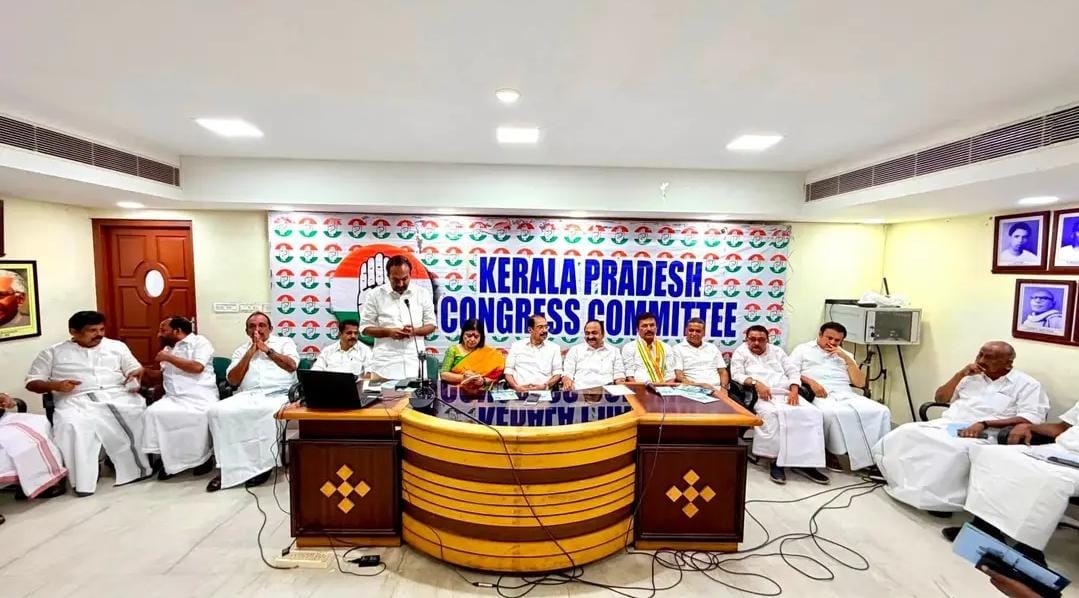
The KPCC leadership

Synopsis: The carefully built image of a ‘Team UDF’ is showing cracks as disputes over Cabinet-rank positions, board and corporation appointments and the accommodation of senior leaders spill into the open. UDF convener Adoor Prakash’s decision to publicly question Chief Minister VD Satheesan’s style of functioning, coupled with the Kerala Congress’ unhappiness over the delay in accommodating PJ Joseph and other pending demands, has turned into a wider debate over power-sharing and coalition management.
The carefully cultivated image of a united “Team UDF”, which stood firm through the Keralam Assembly bypolls, the 2025 local-body elections and ultimately the 2026 Assembly polls, is beginning to fray.
The first signs of unease surfaced soon after the new UDF government took shape, with disgruntlement over Cabinet representation and the delay in settling the CM question.
The latest round of discontent, however, has shifted to the distribution of chairperson and head posts in state boards and corporations as well as accommodating senior leaders in respectable positions.
What has made the latest dispute more significant is that the differences have spilled into the open.
UDF convener and senior Congress leader Adoor Prakash has directly questioned Chief Minister VD Satheesan’s handling of the government and the front, while making it clear that he is prepared to take the issue to the All India Congress Committee.
His stand has brought the underlying contest for space and influence within the Congress into sharper focus, even as Satheesan seeks to consolidate the authority he has acquired over both the government and the party.
Prakash’s intervention, however, has come at a politically sensitive juncture.
His criticism has caused unease among UDF partners, particularly the Indian Union Muslim League, and has provided the CPI(M) and the BJP with an opportunity to target the ruling front at a time when Congress is attempting to exploit controversies surrounding them. The CMRL-Exalogic issue and the inquiry into the Argentina football event have kept the CPI(M) under pressure, while the BJP is facing the heat over the Election Commission issue.
For Congress leaders, however, the present confrontation is hardly an unfamiliar phenomenon.
Internal disagreements, competing claims and multiple centres of authority have long been part of the party’s political culture.
The latest UDF dispute, therefore, is being seen by party insiders and political observers not as an entirely new crisis, but as another reminder of a familiar Congress characteristic – one party, many voices.
Also Read: Keralam HC leaves decision on plea seeking Pala MLA Kappan’s disqualification to Assembly Speaker
What began as an expression of displeasure over two Cabinet appointments has turned into a larger complaint within the UDF, with convenor Adoor Prakash openly questioning the Chief Minister’s failure to consult the coalition before taking crucial decisions.
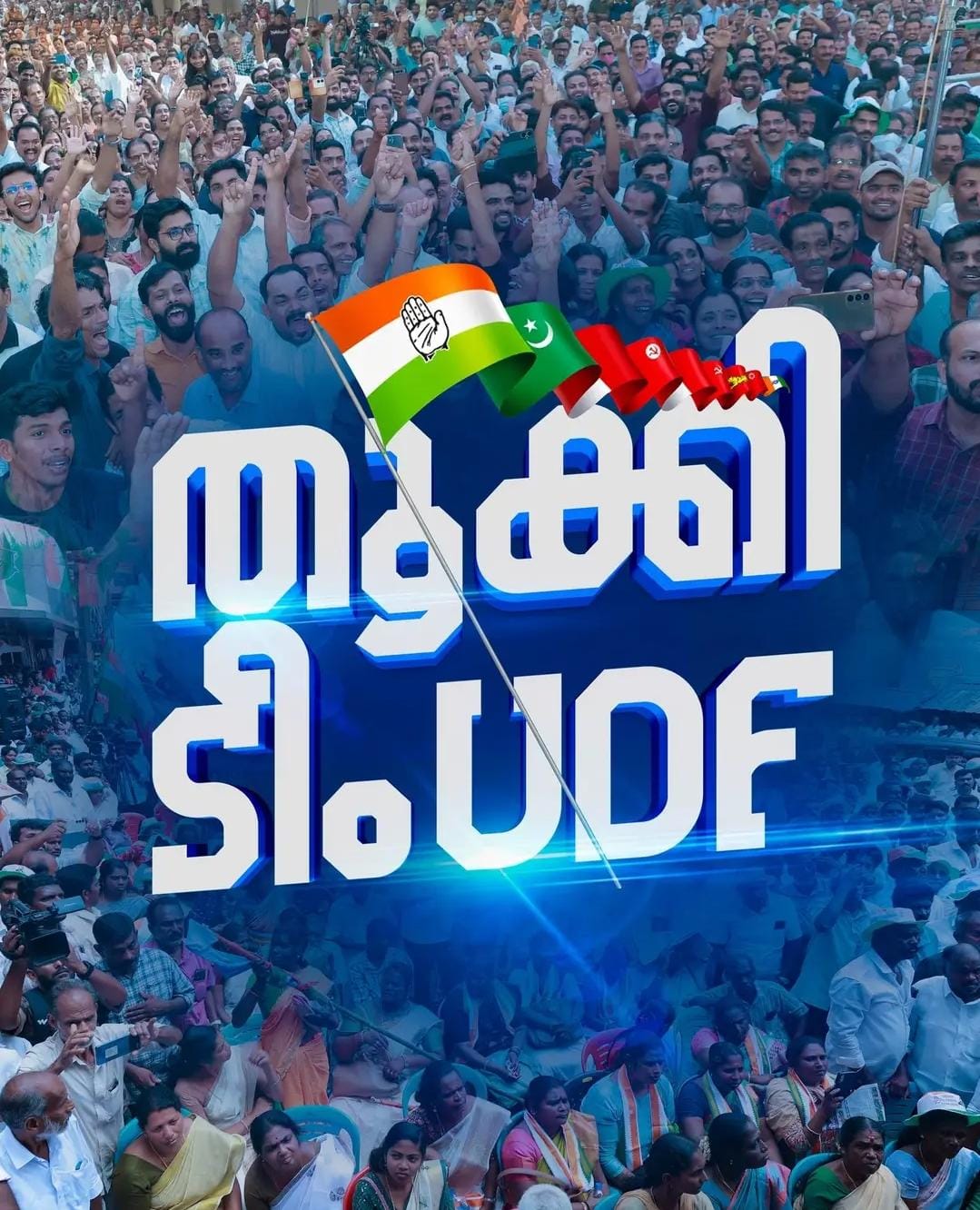
A Team UDF poster following the electoral victory in May
The flashpoint came on 1 October, a day after the Cabinet reportedly appointed IUML leader and former minister MK Muneer as chairman of the Administrative Reforms Commission and Forward Bloc general secretary G Devarajan as Keralam’s special representative in Delhi, both with Cabinet rank. Interestingly, a formal communication on the appointment is yet to come.
Prakash made it clear that he had no objection to either appointment. His grievance, he said, was that the decisions were taken without informing him in his capacity as UDF convenor.
“Both of them are deserving people. But I was not informed of these decisions as the UDF convenor,” he said, describing it as unfortunate that he had to learn about important decisions through the media.
The criticism sharpened on 2 October, when Prakash said he would take up his concerns with the AICC within two or three days. He said he was appointed UDF convenor by the central leadership and was accountable to it.
The episode has also brought into the open a broader concern over the functioning of the coalition.
Prakash pointed out that the UDF had met only once since the new government assumed office—at Cliff House on 31 July—despite the initial understanding that the front would meet every month.
“As the chairman of the UDF, it is the Chief Minister who has to take the initiative for such meetings. Since he has not said anything, we have not been able to convene a meeting,” he had said on Thursday.
Prakash said the absence of regular consultations had left the convenor unable to give clear responses on several matters that required a collective decision. He referred particularly to the distribution of corporation and board posts among UDF constituents, noting that nominees of the previous LDF government continued to occupy some positions.
Prakash rejected suggestions that his remarks reflected factional differences within the Congress.
Also Read: ‘Murder will take place’: CPI(M) MLA’s remark against police officer sparks row
The convener’s public criticism of the government’s decision-making process has also brought to the surface lingering dissatisfaction within the Kerala Congress (Joseph faction) over the delay in granting cabinet status to senior leader PJ Joseph.
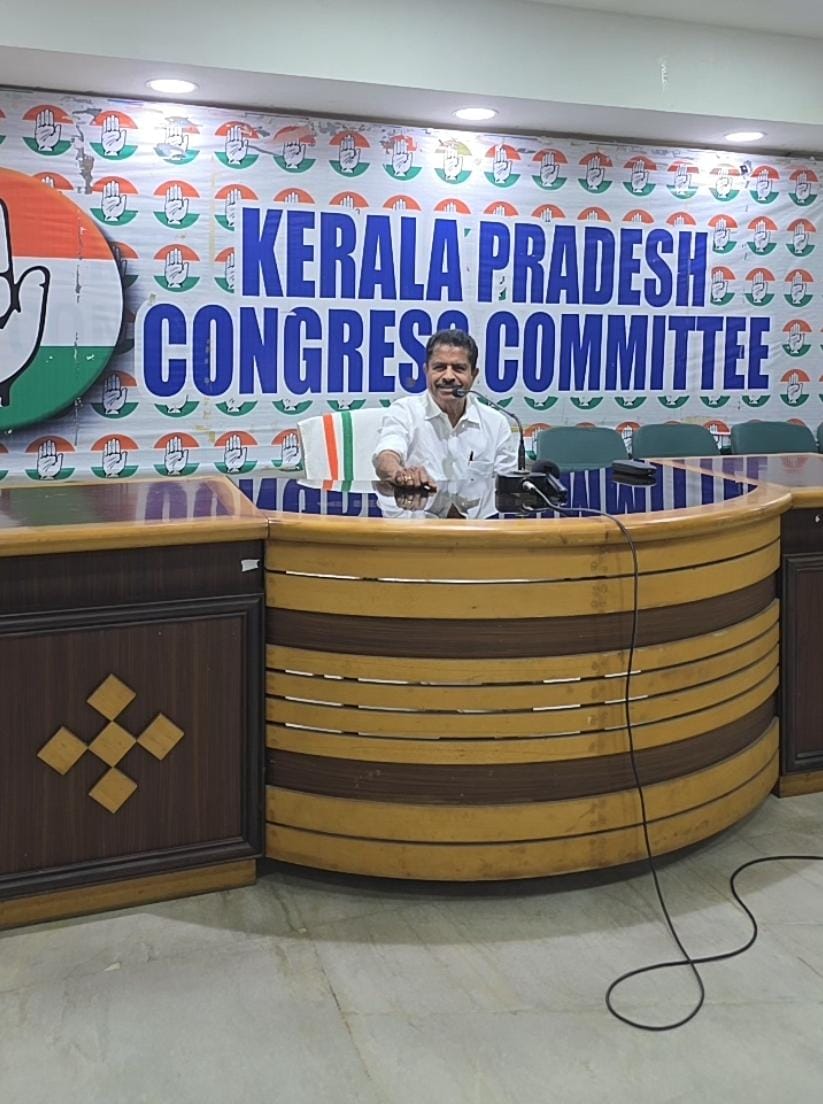
Adoor Prakash during the press meet on 1 October
The Muslim League, second major ally in the UDF after Congress, however, has sought to contain the controversy, insisting that there was no serious disagreement within the front and that major decisions were being taken after discussions with the constituent parties.
IUML state president Panakkad Sadiq Ali Shihab Thangal and national general secretary PK Kunhalikutty, speaking to the media in Malappuram on 2 October, maintained that appointments to key positions had been finalised after consultations and mutual understanding among the allies.
Thangal said the front had followed the practice of holding discussions with its constituent parties before taking decisions. He said bilateral consultations had also been held while deciding on important positions.
Kunhalikutty pointed out that several rounds of discussions had preceded appointments, including the decision to make Muneer chairman of the Administrative Reforms Commission. More consultations would be held on the remaining appointments, he said, while declining to say whether Prakash’s public criticism had affected the functioning of the UDF.
The controversy has, meanwhile, placed Muneer in an uncomfortable position. He said he had neither sought the post nor exerted pressure for an appointment and that the Chief Minister had conveyed the decision to him only after the Cabinet meeting.
Calling it unfortunate that his name had been drawn into the dispute, Muneer said he was pained by attempts to portray his appointment as a concession made to the IUML.
Also Read: Thiruvananthapuram: CPI(M) councillor allegedly caught on camera demanding Rs 10 lakh bribe
The unease is more pronounced within the Kerala Congress, where the delay in deciding on a cabinet-rank position for PJ Joseph has begun to generate resentment.
The party had sought a cabinet-level position for its veteran leader when the UDF government took office, and an understanding had reportedly been reached in principle. The Kerala Congress had been looking at posts such as chairman of the Administrative Reforms Commission, the Kerala State Senior Citizens Commission or the Agricultural Debt Relief Commission for Joseph.
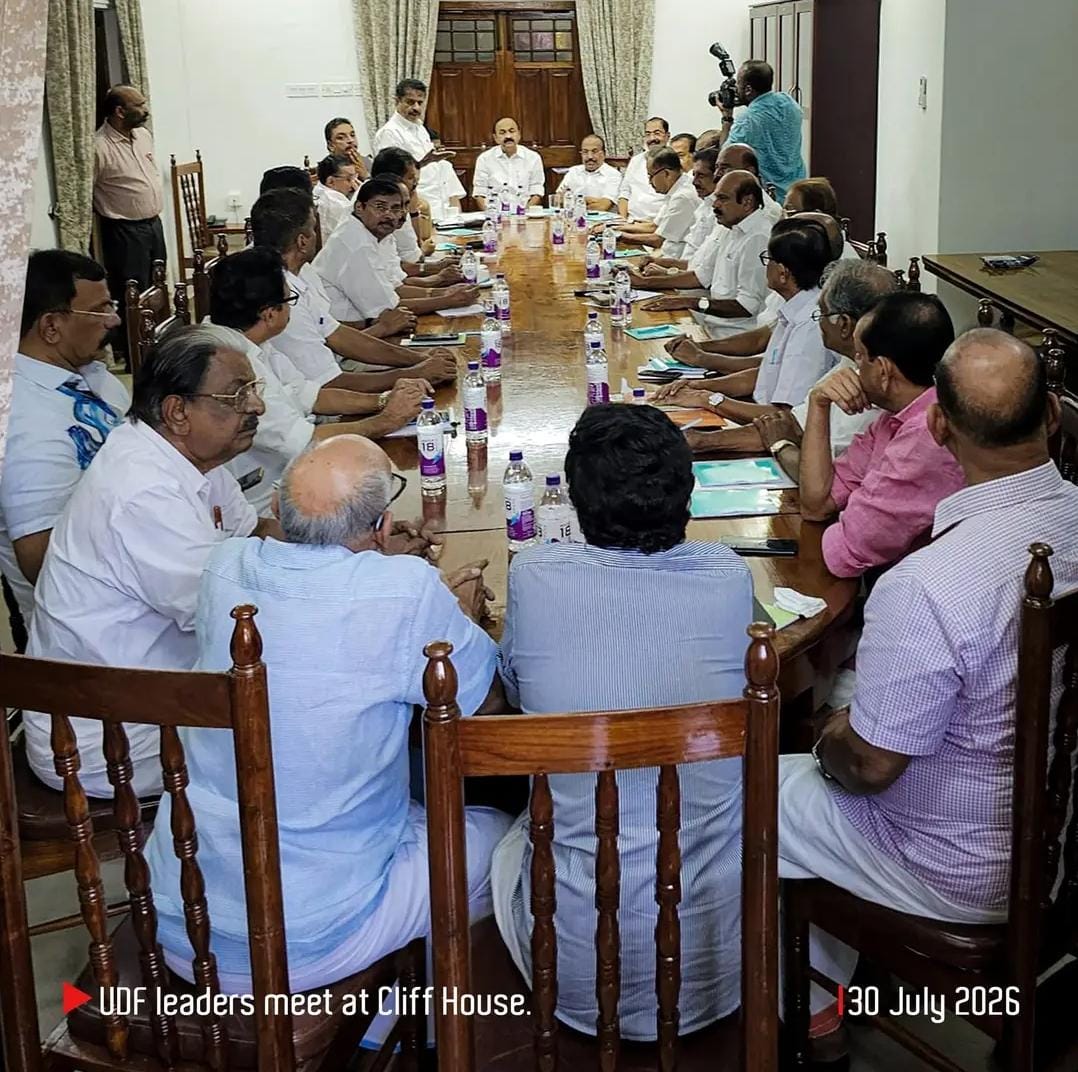
The UDF meeting convened at the Cliff House on 30 July
The subsequent appointment of Muneer to the Administrative Reforms Commission has added to the party’s sense of being overlooked.
Leaders within the Kerala Congress argue that there is little justification for denying Joseph a cabinet-rank position when similar positions have been given to leaders representing other constituents of the front, including the Muslim League and the Forward Bloc.
The issue has acquired an additional political dimension because the Kerala Congress believes that the position offered to Joseph would help preserve the party’s influence and political balance in Central Travancore.
Kerala Congress leader and Minister Mons Joseph has backed Prakash’s call for collective discussions within the UDF and is understood to have taken up the matter directly with CM Satheesan.
For the Kerala Congress, the issue is also linked to compromises made during seat-sharing for the Assembly election.
Party leaders point out that the party had initially sought to contest 12 seats but scaled down its demands in the interest of maintaining unity within the alliance.
At present, Minister Mons Joseph and Chief Whip Appu John Joseph, son of PJ Joseph, are the party’s representatives holding cabinet-rank positions. The demand for another such position for the senior leader has therefore become a point of internal political importance for the party.
The Kerala Congress is not the only one carrying a grievance. Individual leaders also are.
Thomas Unniyadan has maintained a firm position after being denied a ministerial berth, and the possibility of another position being given to PJ Joseph without addressing Unniyadan’s concerns could create another layer of discontent within the party. Though Unniyadan is part of Kerala Congress, he and his supporters of late have not toed the party line.
P J Joseph
Mani C Kappan, of Kerala Democratic Party and Pala MLA, too, remains dissatisfied with the arrangement within the coalition. There had initially been discussions about sharing the ministerial term with Anoop Jacob, but that proposal did not materialise.
A later understanding to appoint Kappan as Vice Chairman of NORKA with cabinet rank also ran into difficulty after a legal case emerged in Mumbai.
The Congress leadership has indicated that the questions relating to PJ Joseph and Kappan would be considered at the next Cabinet meeting.
What began as a dispute over whether the UDF convener was being adequately consulted has thus widened into a larger question about how the coalition is balancing the competing claims of its constituents.
While the IUML leadership has moved quickly to deny any serious rupture, the objections emerging from within the Kerala Congress indicate that the distribution of positions has become a sensitive issue for the front.
For the Congress leadership, the immediate challenge is to settle these competing claims without allowing individual grievances over appointments to develop into a broader coalition-management problem.
Congress leaders have sought to prevent the controversy over Prakash’s remarks from turning into a wider public confrontation, even as differences emerged within the party over how the issue should be handled.
KPCC president Sunny Joseph chose to keep his response brief, saying the matter had already been referred to the AICC. Asked about Prakash’s comments, Joseph said the national leadership would consider the issue and take a decision.
“The matter is before the consideration of the AICC. They will take a decision on that,” he said, refusing to comment further.
Kasaragod MP Rajmohan Unnithan, however, took a tougher line. He said issues relating to the functioning of the UDF should have been discussed within the alliance and party forums rather than being aired publicly.
Unnithan also accused Prakash of pursuing a personal agenda and said the UDF convenor should have voiced the concerns of party workers who had worked for the alliance’s return to power after a decade.
He also flagged the lack of an effective mechanism within the KPCC to settle internal differences.
AICC general secretary KC Venugopal, meanwhile, dismissed suggestions that he was behind Prakash’s criticism. He said his focus had remained on defending the UDF government and strengthening the Congress ahead of the 2029 Lok Sabha election, while insisting that organisational differences should be settled within party forums.
Political analyst Joseph C Mathew sees the latest confrontation as part of a recurring pattern within the Congress and the UDF rather than an isolated disagreement.
“There are differences within the party. That is why the leaders themselves are saying that these matters should have been raised on party platforms rather than in public,” Mathew said.
According to him, the present controversy also exposes a structural problem in the way the Congress-led alliance functions in government.
“The Congress has always been like this. Whenever it is in power, internal differences surface from time to time,” he said.
Mathew also questioned the idea of a cohesive ‘Team UDF’, arguing that the alliance tends to operate differently in opposition and in government.
“In opposition, they unite largely around the objective of fighting the LDF. But once they come to power, the focus shifts and questions of power consolidation begin to surface,” he said.
(Edited by Dese Gowda)



