

Published Sep 19, 2026 | 10:56 AM ⚊ Updated Sep 19, 2026 | 10:56 AM

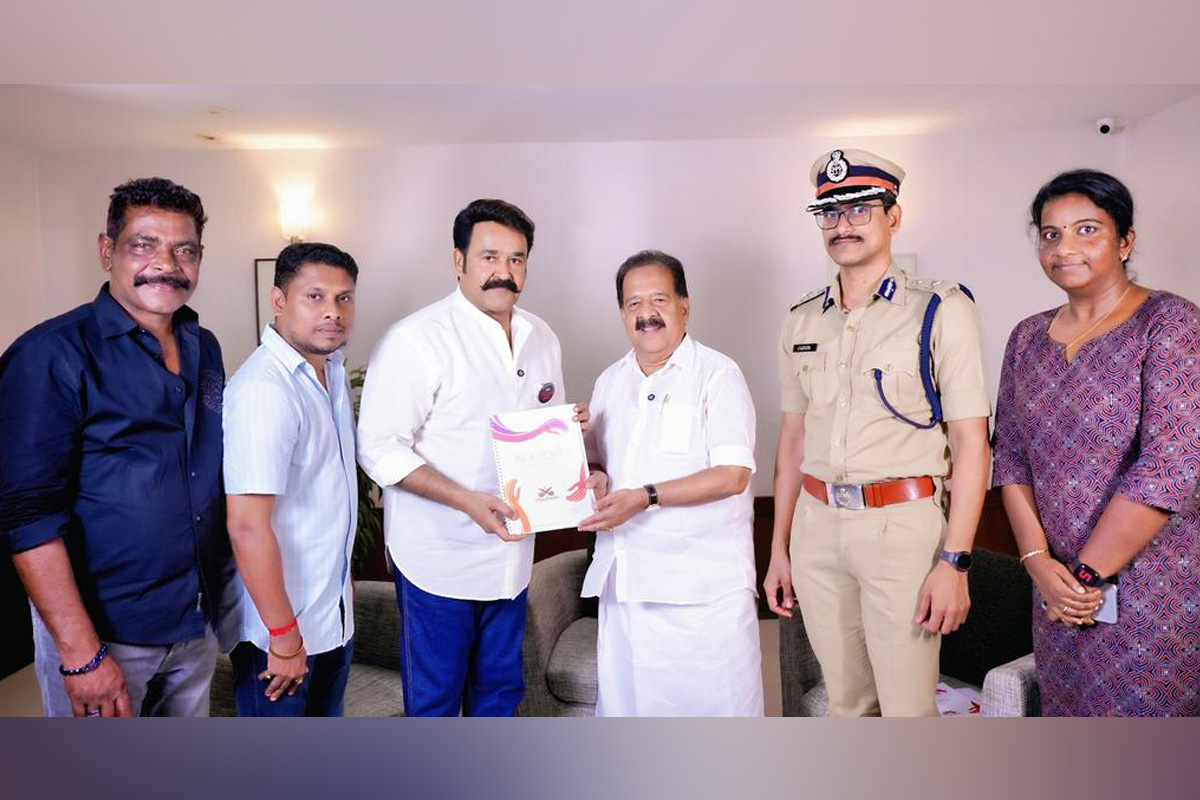
Mohanlal has been among the celebrities who have spoken out against the drug menace. He is seen with Home Minister Ramesh Chennithala. (File Photo)

Giving further thrust to Operation Toofan as it enters Phase II, the state Home Department has decided to maintain a constantly updated intelligence pool of 200 known drug offenders and 500 emerging offenders in Keralam.
The Central Intelligence and Analytics Cell, described as the strategic “brain” of the operation, will collate inputs from seizures, the dark web, cryptocurrency transactions, call-detail records and digital forensics and send weekly “lead packets” to district police.
These measures form part of the operational guidelines issued by the Home Department for Operation Toofan as it enters Phase II.
The guidelines say the focus will be on tracking the physical and digital movements of suspected syndicates rather than merely catching users or making random seizures.
A key component of Phase II will be the “follow the money” strategy.
In every commercial-quantity narcotics case, investigators will be required to trace bank accounts, UPI transactions and cryptocurrency wallets to identify assets allegedly acquired from drug trafficking.
Specialised investigation teams will prepare details of suspected illegally acquired properties, including land and vehicles, for further action under the NDPS Act (Narcotic Drugs and Psychotropic Substances Act, 1985).
The guidelines also highlight Toofan Strike, the enforcement arm of the operation, with specialised units tasked with targeting supply-chain nodes and conducting intelligence-led raids along vulnerable corridors and interstate transit points.
Intensive checks will also be carried out during special drives on vehicles, including ambulances, suspected of being used to transport contraband.
At the same time, the guidelines seek to bring a rehabilitation-oriented approach to cases involving adolescents and first-time users.
Under Toofan Care, police will facilitate clinical assessment, counselling and withdrawal management in collaboration with the Health Department, IMA, psychiatrists, paediatricians, hospitals and district-level support centres. Adolescents and first-time users found with minor quantities may be routed for clinical intervention, subject to due legal process.
The operation will also lean heavily on technology, with the State Anti-Narcotic Dashboard and NCORD Portal forming its digital backbone. Round-the-clock helplines and encrypted WhatsApp channels will enable anonymous reporting while protecting informant identities. Portable fingerprint scanners and GIS-based mapping of drug hotspots will be used to identify habitual offenders and vulnerable locations.
The Home Department has also stipulated that the State Police Chief should formulate and submit explicit criteria and guidelines for disbursing incentives and informer rewards to ensure transparency and accountability in the system.
Also Read:
Keralam police arrest former municipal chairman, lecturer in separate drug cases
Keralam to set up specialised squad to track interstate, international drug networks
Divided by drugs, united by power! The story of Kochi’s ‘Goondas’ who backed Operation Toofan
(With inputs from Dileep V Kumar.)



