

Published Oct 27, 2026 | 8:55 AM ⚊ Updated Oct 27, 2026 | 8:55 AM

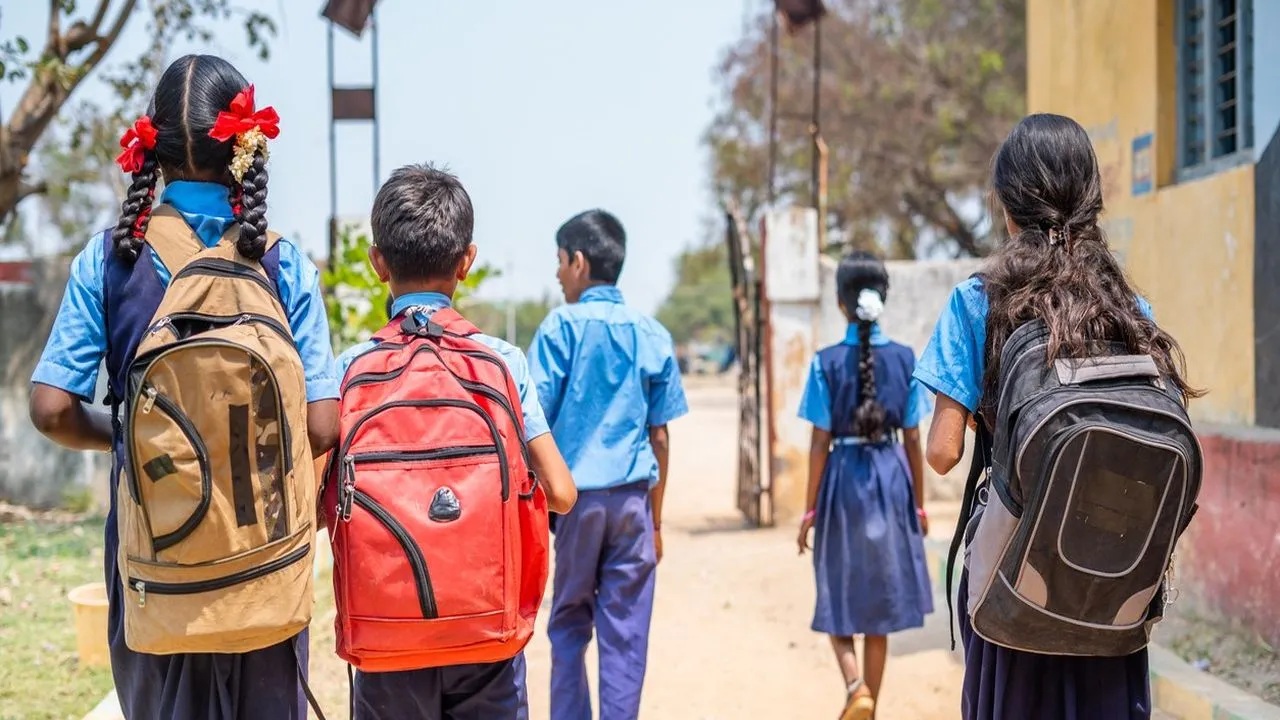
The petition identifies back and shoulder pain, posture-related problems, including spinal curvature, and mental stress among the consequences.

Synopsis: A student leader from a government higher secondary school in Thrissur has petitioned the Kerala Legislative Assembly to reduce schoolbag weight through smaller textbooks, slimmer notebooks and greater use of digital learning tools. The petition cites the physical strain and mental stress caused by heavy bags. A separate Bill proposed by MLA KK Valsaraj seeks weight limits based on children’s body weight but is unlikely to be taken up in the current Assembly session. General Education Minister N Shamsudeen has said the department is examining possible changes, with a meeting scheduled for 24 November to consider options.
A student leader of a government higher secondary school in Thrissur, Keralam, has urged the state government to reduce the weight of schoolbags by issuing smaller textbooks, cutting down notebook sizes and introducing more effective digital learning methods.
The petition submitted by Munthazeer M, school leader of GKVHSS Eriyad, was presented in the Kerala Legislative Assembly by Kaipamangalam MLA KK Valsaraj on 25 October. It highlights the physical strain and mental stress caused by students carrying bulky textbooks and notebooks to school every day.
General Education Minister N Shamsudeen has told the Assembly that the department is examining possible solutions. A meeting scheduled for 24 November will consider the available options.
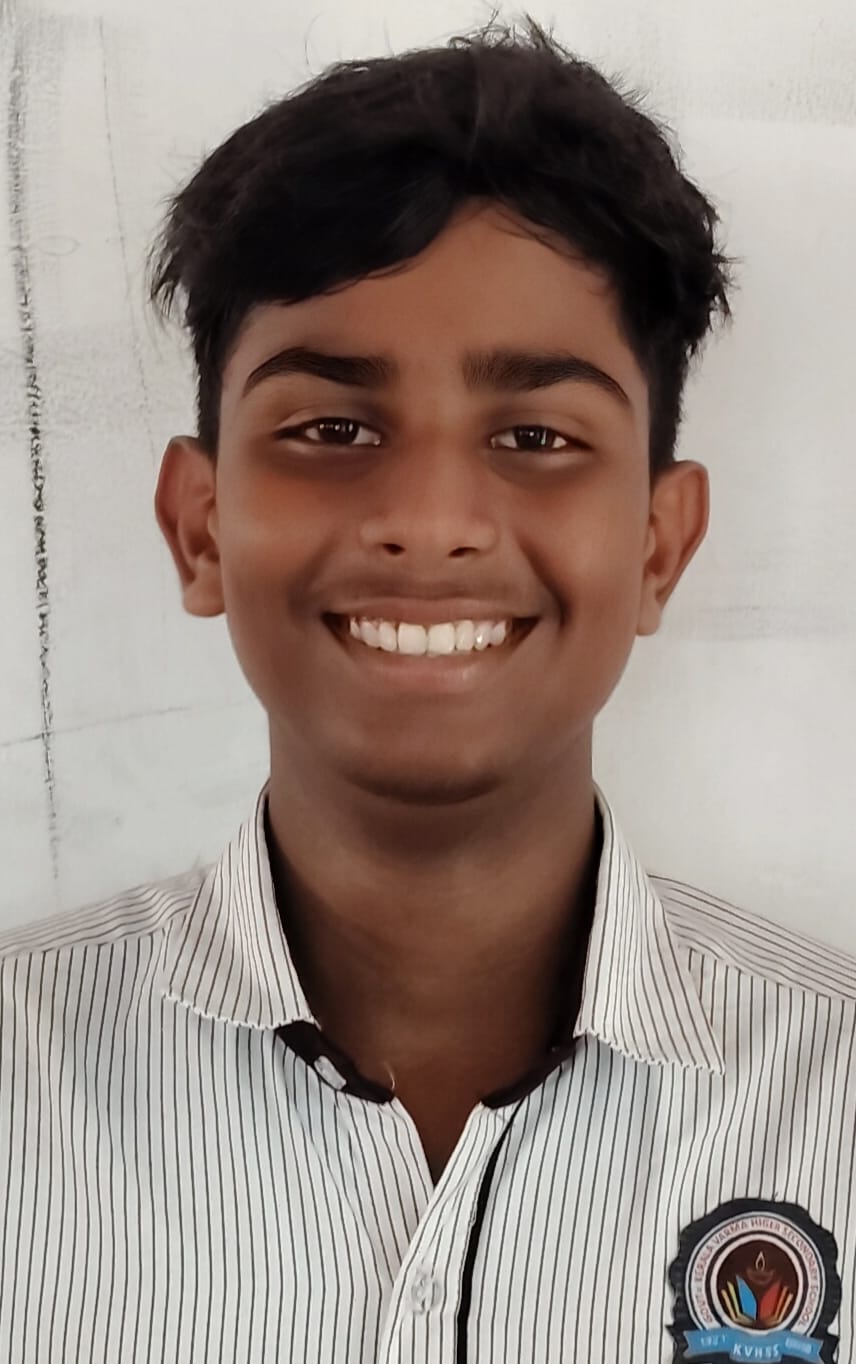
Munthazeer M, school leader of GKVHSS Eriyad
In his petition, submitted on behalf of high school students, Munthazeer points to the Union Ministry of Education’s School Bag Policy, which stipulates that a schoolbag should weigh no more than 10 percent of a child’s body weight.
Students continue to carry heavy bags filled with textbooks and notebooks, some containing around 200 pages. The burden is particularly difficult for children who travel in crowded buses and depend on public transport to reach school.
The petition identifies back and shoulder pain, posture-related problems, including spinal curvature, and mental stress among the consequences of carrying heavy schoolbags. These problems affect children’s health and their ability to concentrate on their studies.
Munthazeer has proposed replacing bulky textbooks with lighter editions issued monthly or term-wise, reducing notebook sizes and making greater use of digital learning tools. The proposals seek to reduce the daily burden on students without compromising their learning.
The government is expected to decide on a course of action after examining the proposals at the 24 November meeting.
The petition also calls for changes to how students carry and use learning materials, noted that crowded public transport adds to the discomfort and mental stress caused by heavy schoolbags.
Munthazeer has proposed replacing textbooks meant to last the entire academic year with smaller monthly or term-based editions. Each edition would cover the subjects required for that period, with individual units limited to 80–100 pages. Students could leave completed textbooks at home and carry only the material needed for the next set of lessons.
The petition also seeks to replace 200-page notebooks with slimmer notebooks containing 80–100 pages. Greater use of tablets, electronic textbooks and audio-visual learning tools forms another part of the proposal. Munthazeer has urged the Assembly and the General Education Department to consider introducing these measures without delay, at least on an experimental basis.
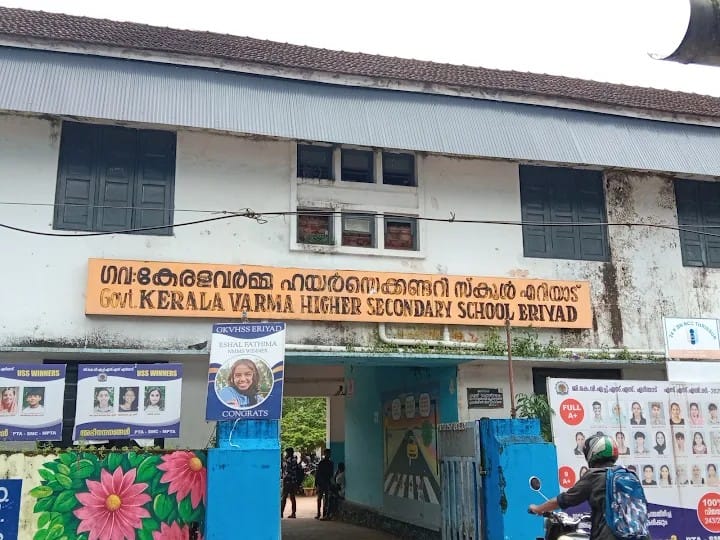
GKVHSS Eriyad in Thrissur
Valsaraj presented the petition under Rule 107 of the Kerala Legislative Assembly’s Rules of Procedure, which governs the presentation of petitions. Under Rule 113, a member may present a petition or forward it to the Secretary, who reports it to the Assembly. The rules do not provide for a debate when a petition is presented or when the report is made.
The petition has placed the daily burden of schoolbags before the Assembly, seeking changes to the size of textbooks and notebooks and the way students access their lessons.
Also Read: Two teens, 2 high-end cars and 4 deaths in 2 weeks: It’s public sentiment vs law in Keralam
The petition comes amid a separate legislative effort to reduce schoolbag weight led by MLA Valsaraj through the Keralam School Students’ Bag Weight Reduction and Education Modernization Bill, 2026.
The proposed Private Member’s Bill calls for limiting schoolbag weight to 10 percent of a child’s body weight, doing away with schoolbags for pre-primary children and prescribing separate maximum weight limits for students in Classes I to XII.
It also proposes replacing textbooks designed for an entire academic year with lighter, period-based editions containing the subjects required for a month or a specified interval. Each unit would be limited to 80–100 pages.
The Bill is unlikely to be taken up during the current Assembly session, scheduled to conclude on 29 October. Private Members’ Bills are considered on Fridays, leaving little scope for its consideration before the session ends.
General Education Minister N Shamsudeen has said the department is examining ways to reduce schoolbag weight. An earlier meeting discussed possible measures, and a further meeting scheduled for 24 November will examine the proposals before the department decides on a course of action.
The options include dividing lessons into monthly or term-based units and printing textbooks on lightweight paper. The department is examining changes to textbook organisation and printing to reduce the weight students carry without disrupting classroom teaching.
(Edited by Dese Gowda)



