

Published Sep 22, 2026 | 10:54 AM ⚊ Updated Sep 22, 2026 | 10:54 AM

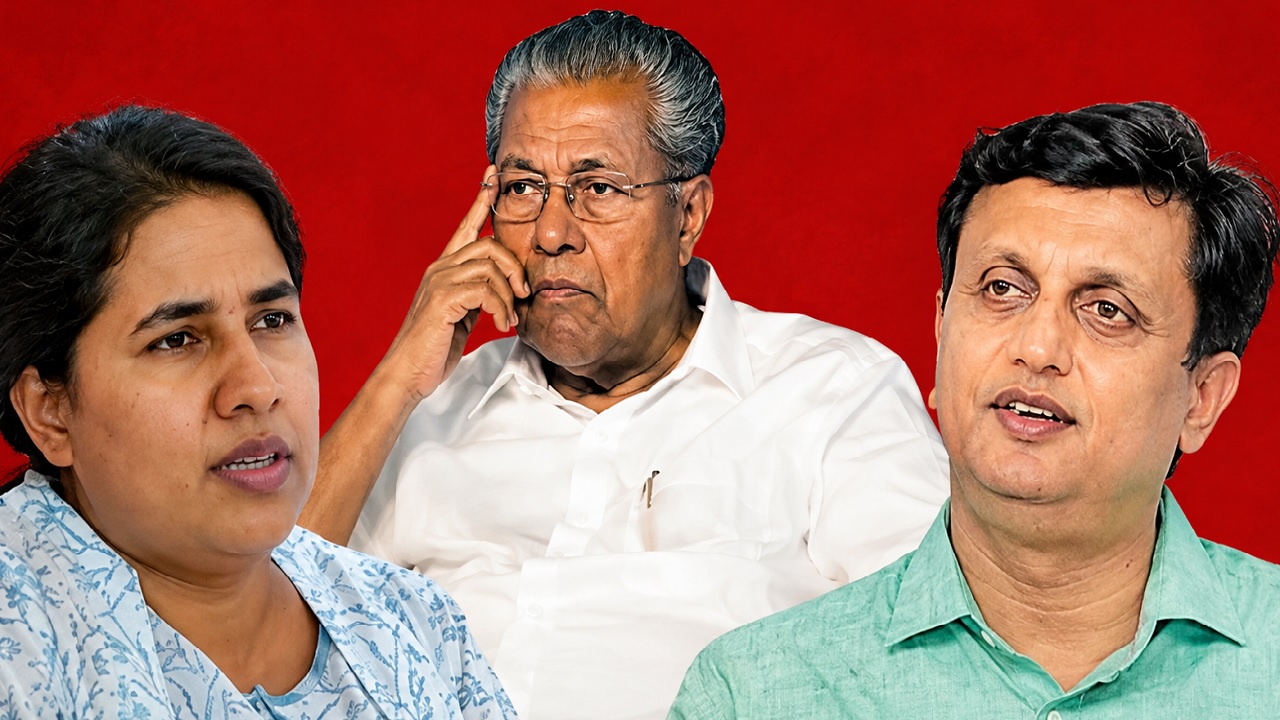
The possibility of constituting an SIT is being discussed in government circles

Synopsis: The UDF government is weighing its next move in the CMRL-Exalogic case after receiving the AG’s opinion on the ED report. Rather than acting solely on the central agency’s findings, the government may consider an independent preliminary probe, potentially through an SIT, before deciding whether to register an FIR against former Chief Minister Pinarayi Vijayan, his daughter T Veena and son-in-law PA Mohammed Riyas.
The ball is now in the UDF government’s court. With the Advocate General’s legal opinion clearing the way for possible action on the ED’s report in the CMRL-Exalogic case, the VD Satheesan government is facing a politically sensitive decision – whether to proceed directly with an FIR against former Chief Minister and Opposition Leader Pinarayi Vijayan, his daughter T Veena and son-in-law PA Mohammed Riyas, or first subject the ED’s findings to another round of scrutiny.
Sources told South First that the government is likely to proceed cautiously, with a preliminary investigation or an SIT being considered before a final decision on registering an FIR.
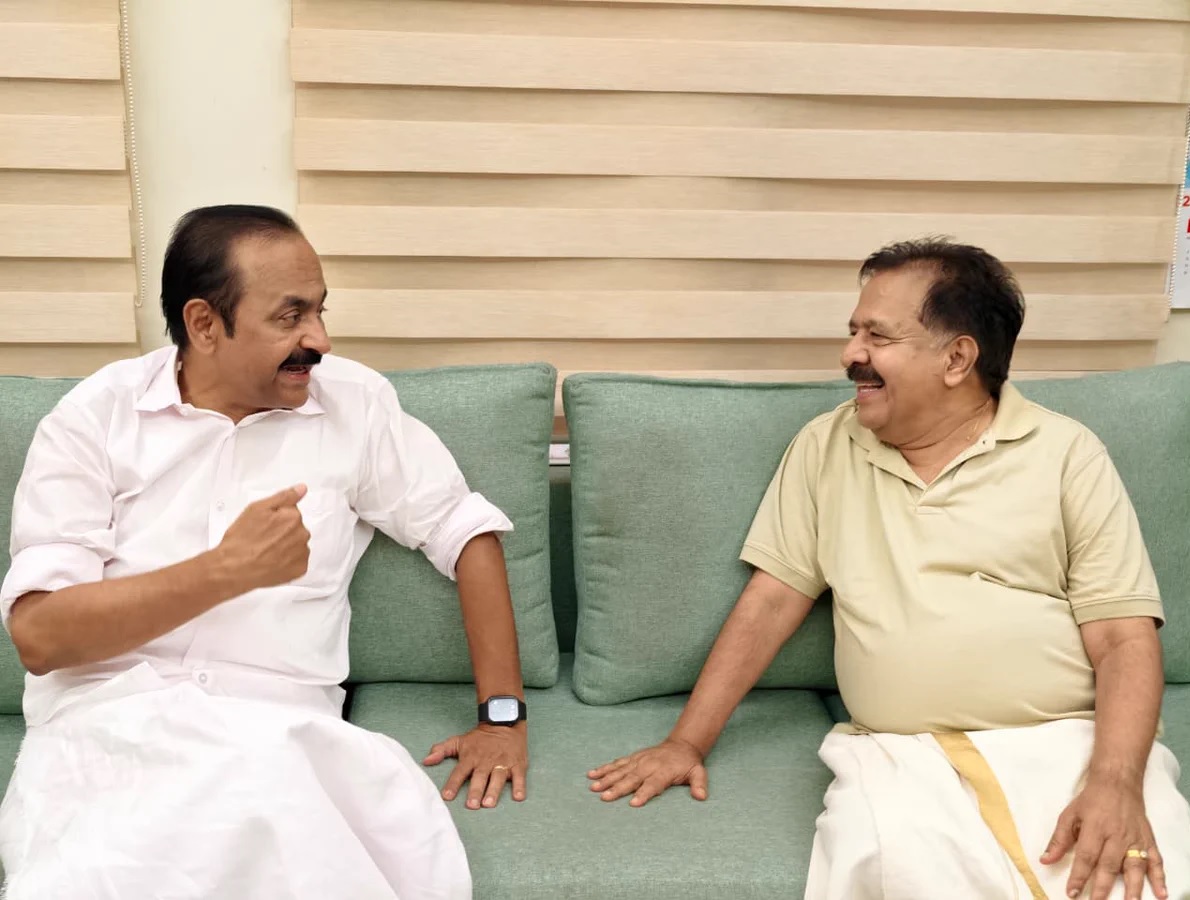
Chief Minister VD Satheesan and Home Minister Ramesh Chennithala
The possibility of constituting an SIT is being discussed in government circles, particularly given the political implications of initiating a criminal case against the former Chief Minister.
A meeting between Chief Minister VD Satheesan and Home Minister Ramesh Chennithala, scheduled to discuss the legal opinion and the government’s next course of action, could not be held on Monday, 21 September amid the government’s focus on the flash-flood situation in Nilambur. The meeting is expected to take place on Tuesday.
Also Read: The ‘Red Book’: How a scribble acquired a life of its own in Keralam
The Advocate General, K Jaju Babu, has reportedly advised that the material contained in the ED’s communication can form the basis for an investigation under the Prevention of Corruption Act if it discloses a cognisable offence.
The opinion also leaves room for a preliminary inquiry before an FIR, depending on the nature of the material available.
The ED had forwarded its findings to State Police Chief Ravada A Chandrasekhar under Section 66(2) of the Prevention of Money Laundering Act, seeking action against Pinarayi Vijayan, Veena, Riyas and others.
The agency has alleged that payments made by CMRL to Exalogic were not genuine consultancy payments and that the money was ultimately linked to illegal gratification.

Advocate General, K Jaju Babu
The ED has also raised allegations relating to hawala transactions and the assets of persons connected with the case.
The legal opinion, however, does not itself amount to the registration of a criminal case.
The government has to decide whether the material meets the threshold for an FIR or whether a preliminary inquiry is required before taking that step.
The Supreme Court’s position, as cited in the legal advice, is that police must register an FIR when information discloses a cognisable offence. Where the information does not clearly disclose such an offence but circumstances warrant verification, a preliminary inquiry can be undertaken.
That distinction could become important in this case.
Sources told South First that the government is examining whether an independent preliminary exercise should first establish the evidentiary basis for the ED’s allegations. An SIT could be considered for this purpose.
Such a move would allow the government to examine the material placed by the ED, the statements relied upon by the agency, subsequent retractions and other documentary evidence before taking a final decision.
Until now, the government had been awaiting legal advice on whether the ED’s communication could legally be acted upon. That opinion has now been received, and the next question is how far the government should proceed and through which investigative mechanism.
Home Minister Ramesh Chennithala has said that the government is examining the legal opinion and that further action will be decided in consultation with the Chief Minister.
Also Read: ‘Political vendetta’: CPI(M) hits out at ED over directive to Kerala Police
The government’s caution also assumes significance against the backdrop of the recent retraction affidavits filed by senior CMRL officials.
Two company officials—former Chief Financial Officer P Suresh Kumar and Chief General Manager KS Suresh Kumar—have alleged that statements recorded by the ED in April 2024 did not accurately reflect what they had told the agency.
They alleged that they were subjected to pressure and intimidation during questioning and claimed that portions of their statements were altered or omitted before they were asked to sign them. The ED has rejected the allegations of coercion.
The issue is significant because statements by CMRL officials form part of the material cited by the ED in its report to the State Police Chief.
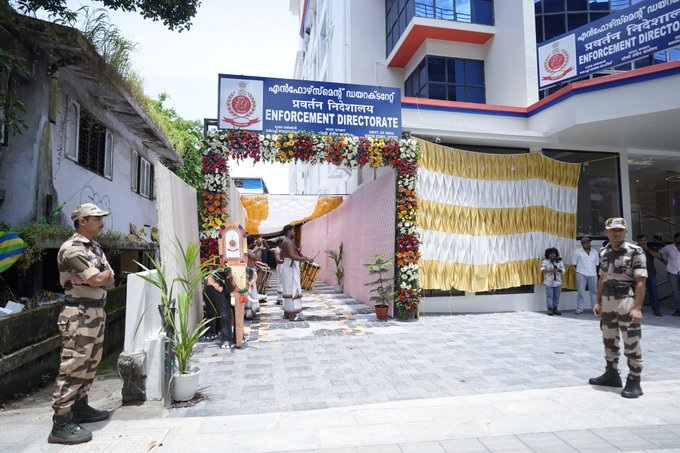
ED office in Kadavanthra, Kochi
An ED source has maintained that the agency’s case does not depend solely on statements recorded under Section 50 of the PMLA, and that supporting documents and other evidence will be produced before the court. The evidentiary value of the original statements and subsequent retractions would ultimately have to be assessed in the appropriate legal proceedings.
Speaking to South First, SC lawyer Babila Ummer Khan said witnesses occupy an important position in criminal proceedings because their evidence assists the court in determining the truth.
“A witness is an important party in a case apart from the complainant and the accused in a particular case and by giving evidence relating to the offence, he assists the court to discover the truth for justice delivery system,” she said.
She explained that a hostile witness is one who does not support the case of the party that called the witness and instead retracts from or departs from an earlier version.
“Nowadays, the main cause for the high acquittal rate in our criminal justice system is due to the witness turning hostile,” Babila said, adding that intimidation, monetary inducement and the influence of money are among the reasons witnesses may turn hostile.
Also Read: ED alleges hawala money transfers by T. Veena; Congress calls it ‘extremely serious’ charge
An immediate FIR against Pinarayi Vijayan would have considerable political implications.
Vijayan is now the Opposition Leader and remains one of the CPI(M)’s most prominent leaders. Any police action against him would inevitably become part of the political contest between the UDF and the LDF.
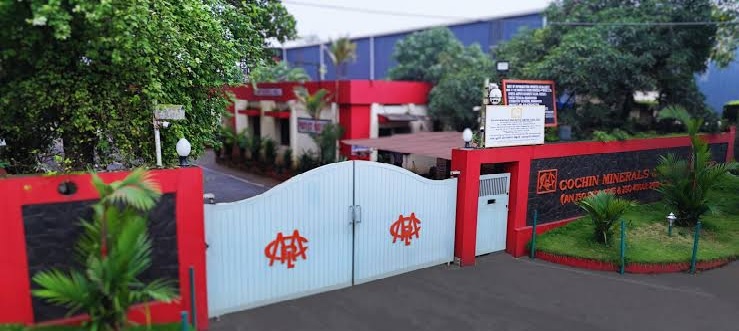
Cochin Minerals and Rutile Limited
The UDF government may therefore prefer a process that first establishes the evidentiary foundation of the allegations.
An SIT or preliminary inquiry, if ordered, could examine the ED’s material, the financial transactions, statements by CMRL officials, the retraction affidavits and other documents before recommending whether an FIR is warranted.
The ED has alleged that CMRL made payments of Rs 2.78 crore to Veena’s Exalogic under the guise of consultancy services, while its wider findings reportedly allege illegal gratification linked to Pinarayi Vijayan. The agency has also intensified scrutiny of assets connected to the case.
These remain allegations under investigation and have not been adjudicated by a court. The CPI(M) and the Vijayan family have consistently denied wrongdoing.
For the Satheesan government, the immediate decision is therefore unlikely to be merely about whether to act against Pinarayi Vijayan. It is about deciding what investigative route can withstand both legal scrutiny and the political pressure that will inevitably follow.
The next meeting between Satheesan and Chennithala is expected to provide the first indication of that route. If an SIT or preliminary inquiry is chosen, the government could defer the decision on an FIR until its findings are available.
(Edited by Dese Gowda)



